wetland abiurana Care (Pouteria glomerata)

Also known as: purple abiurana
wetland abiurana

About wetland abiurana

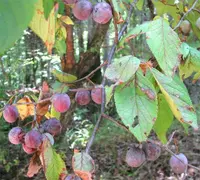
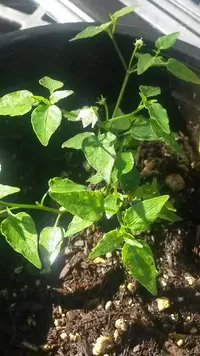
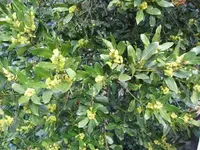
Wetland abiurana (Pouteria glomerata) is a tropical evergreen tree native to swampy and seasonally flooded areas of Central and South America. It typically forms a medium to tall tree with a straight trunk, dense crown, and simple, leathery leaves.

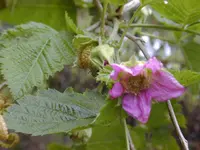
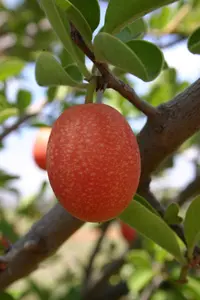
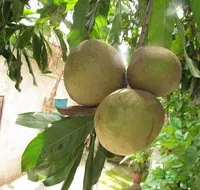
The plant produces small, clustered flowers followed by rounded, yellowish fruits that are eaten locally and sometimes used in traditional remedies. Its natural habitat in wetlands means it is adapted to high moisture, periodic flooding, and nutrient-rich, organic soils.

For growers, the main challenges are providing consistent warmth, high humidity, and ample water without long dry periods. Understanding these natural conditions helps guide basic care for wetland abiurana in cultivation.

Main Plant Requirements

Care Difficulty

Moderate Care

Light Preference

Full Sun

Water Requirements

Regular Water

Temperature Preference

Tropical / Frost Sensitive

Hardiness Zone

10–12

Soil Texture

Loamy, Silty, Organic-rich

Soil pH

Acidic (5.5–6.5), Slightly acidic (6.5–7.0)

Soil Drainage

Waterlogged tolerant

Fertilization

Minimal (feed rarely)

Get Personalized Care Plan

Scan your plant to receive care tips personalized for your specific plant

Available on iOS and Android

How to Care for the wetland abiurana

Pouteria glomerata prefers bright, warm conditions similar to its native riparian and wetland habitats.

  • Provide 4–6 hours of gentle morning sun with light shade or filtered light in the hotter afternoon hours to prevent leaf scorch.
  • Tolerates partial shade, but in dense shade growth slows and flowering or fruiting may be reduced; aim for dappled light under taller trees.
  • In hot summers, protect wetland abiurana from intense midday sun, especially on exposed sites, and monitor for pale, sun-bleached patches on leaves as a sign of excess light.

Watering should keep the root zone consistently moist, reflecting the species’ wetland origin without creating stagnant conditions.

  • Maintain evenly moist soil, allowing only the top 2–3 cm to lose surface sheen before watering again; do not let the root area dry out completely.
  • Use deep, slow watering so moisture reaches 20–30 cm depth, combined with soil rich in organic matter that drains but still holds water well.
  • Reduce watering slightly in cooler months when growth slows, watching for yellowing, soft leaves as a sign of overwatering or curling, brittle leaves as a sign of drought stress in Pouteria glomerata.

This species is a tropical tree that performs best in consistently warm, frost-free conditions.

  • Aim for an optimal growing range of 70–86°F (21–30°C), which supports steady vegetative growth and healthy root activity.
  • Avoid temperatures below 50°F (10°C); brief drops near this level may slow growth, while exposure to 40°F (4°C) or lower can cause leaf damage or dieback.
  • In hot climates, the plant tolerates up to about 95°F (35°C) if soil moisture is stable and roots are insulated with mulch, but combined heat and drought can stress young plants.

This species prefers consistently moist air and benefits from moderate to high humidity.

  • Aim for 60–80% humidity, which reflects the natural wetland habitat of wetland abiurana.
  • It tolerates brief dips to 40–50%, but prolonged dry indoor air can slow growth and cause leaf edge browning.
  • Increase humidity with a nearby humidifier, grouped plants, or a wide pebble tray, avoiding misting that leaves foliage constantly wet.

This species prefers deep, moist, well-structured soil that stays aerated, not stagnant.

  • Use a loamy mix rich in organic matter, combining roughly 50% composted bark or leaf mold with 30% topsoil and 20% coarse sand or perlite.
  • Ensure drainage is steady but not rapid, so the root zone remains evenly moist without waterlogging or anaerobic (oxygen-poor) pockets.
  • Keep pH slightly acidic to neutral, around 6.0–7.0, avoiding very calcareous or salty substrates that can limit nutrient uptake.
  • For Pouteria glomerata care outdoors, improve heavy clay by incorporating coarse sand and fine gravel to increase pore space and prevent standing water.

This species can be grown in large containers for young trees or restricted-size specimens.

  • Choose a deep, heavy pot that resists tipping as the woody trunk and canopy become taller and more wind-exposed.
  • Select a container material with moderate moisture retention, such as thick-walled plastic or glazed ceramic, to keep the root zone evenly moist between waterings.
  • Use a pot wide enough to support a broad, fibrous root system, leaving extra lateral space so structural roots do not circle tightly against the wall.

This wetland abiurana benefits from light, balanced feeding in cultivation but does not need heavy fertilization.

  • Use a balanced NPK fertilizer or well‑matured compost for container or young field plants.
  • Apply fertilizer at half strength every 6–8 weeks during the warm growing season.
  • Reduce or stop feeding in winter or cool dormant periods to avoid weak, soft growth.
  • Water before and after fertilizing to limit root burn and improve nutrient uptake.

Pouteria glomerata responds well to thoughtful structural pruning to maintain a healthy, manageable canopy.

  • Prune at the end of the dry or cool season, before strong new growth starts.
  • Remove dead, diseased, crossing, or storm‑damaged branches with clean, sharp bypass pruners or a saw.
  • Thin congested interior branches to improve light penetration and air flow through the crown.
  • Shape young trees with light cuts, maintaining a single main leader and well‑spaced scaffold branches.

This species is usually grown in the ground, so focus on careful transplanting of young trees from nursery containers.

  • Transplant when roots circle the pot, growth slows, or the plant dries out very quickly after watering.
  • Plan moves for the warm, rainy part of the year to reduce water stress and support rapid root regrowth.
  • Shift into a hole or container 1–2 sizes larger, using free‑draining, moisture‑retentive soil.
  • Water thoroughly, mulch the root zone, and provide light shade for 1–2 weeks to limit transplant shock.

Propagation of Pouteria glomerata is usually done by seed, with cuttings used less often in home settings.

  • Collect ripe fruits, clean seeds, and sow them fresh, as viability drops during storage.
  • Sow in a warm, bright location with 70–85°F temperatures and evenly moist, well‑drained substrate.
  • Cover seeds lightly, keep humidity moderate, and allow several weeks or longer for germination.
  • For cuttings, use semi‑hardwood material, rooting hormone, bottom heat, and high humidity to encourage rooting.

This tropical tree is frost sensitive and needs protection in regions with cool or freezing winters.

  • Avoid exposure to temperatures near or below 32°F, especially for young or container plants.
  • Mulch the root zone with 5–8 cm of organic material to buffer soil temperature and moisture.
  • For potted specimens, move containers indoors or into a heated greenhouse before cold nights.
  • In marginal climates, use frost cloth or similar breathable covers to shield foliage during short cold events.

Care Tips

Early structural pruning

Shape the young tree with a single strong leader and 3–5 well-spaced scaffold branches during the first 2–3 years to build a stable framework that resists wind and supports future fruit load.

Wind and stake management

Stake only in windy, exposed sites, using 2–3 stakes and flexible ties, and remove all staking after 12–18 months to encourage a sturdy trunk and natural root anchoring.

Mulch for root cooling

Apply a 5–8 cm layer of coarse organic mulch over the root zone, keeping it 5–8 cm away from the trunk, to buffer soil temperature and reduce moisture stress during hot periods.

Fruit thinning practice

In seasons with heavy flowering and fruit set, thin clusters to 1–2 fruits per spur while they are still small to improve final fruit size and reduce branch breakage.

Targeted pest scouting

Inspect new growth, leaf undersides, and developing fruit every 1–2 weeks for scale insects and borers, and act early with appropriate controls to keep caring for wetland abiurana efficient and preventive rather than reactive.

Common Pests and Diseases

Fruit borers

This pest tunnels into developing fruits, causing premature drop, internal feeding damage, and poor-quality pulp. Symptoms include small entry holes, frass (sawdust-like droppings), and larvae hidden inside the fruit.

Solution

Collect and destroy all infested and fallen fruits to break the life cycle, and prune to keep the canopy open so birds and beneficial insects can access pests more easily. Where infestations are recurrent, use fine mesh bags around young fruits and apply targeted biological products containing Bacillus thuringiensis (Bt) on flowers and small fruits, following label directions.

Leaf miners

These insects feed within the leaf tissue, creating winding, pale tunnels that reduce photosynthesis and can cause early leaf drop on young plants. This pest is more damaging in nursery stock and young trees than on mature specimens.

Solution

Remove and dispose of heavily mined leaves, especially on young plants, to remove larvae before they pupate. Encourage natural predators, avoid broad-spectrum insecticides, and, in severe cases, use horticultural oils or insecticidal soaps directed at newly emerged adults and young larvae on new growth.

Anthracnose

This disease causes dark, sunken lesions on leaves, twigs, and sometimes fruits, leading to defoliation in humid, warm conditions. Symptoms include irregular brown or black spots with yellow halos that can coalesce and kill leaf tissue.

Solution

Prune and discard infected twigs and leaves, increase airflow through thoughtful thinning of dense branches, and avoid overhead irrigation that keeps foliage wet. During humid seasons in areas where anthracnose is common, apply copper-based fungicides or other labeled fungicides preventively to young leaves and flowering panicles, following local guidelines.

Sooty mold

This disease develops as a black, soot-like fungal layer on leaves and twigs growing on the sugary honeydew secreted by sap-sucking insects such as scale or aphids. Symptoms include dull, blackened foliage and reduced photosynthesis, although the fungus does not penetrate the plant tissue itself.

Solution

First manage the underlying sap-sucking insects using insecticidal soap, horticultural oil, or removal of heavily infested branches. After the pest is reduced, gently wash affected leaves with water and a soft cloth or sponge to remove the fungal coating and restore normal light capture.

Scale insects

These insects appear as small, fixed bumps on stems, twigs, and leaf undersides, sucking sap and weakening the tree over time. Symptoms include sticky honeydew, sooty mold development, leaf yellowing, and reduced vigor, especially in young or container-grown plants under wetland abiurana indoor care conditions.

Solution

Prune and dispose of heavily infested shoots, then treat remaining colonies by wiping or brushing scales off with a cloth dipped in diluted alcohol where feasible. For larger trees, use horticultural oil sprays during mild weather to smother nymphs (crawlers) and repeat as needed, avoiding applications during extreme heat or direct midday sun.

Interesting Facts

Amazon floodplain specialist

This species is native to lowland Amazonian floodplains, where it tolerates seasonal inundation and develops in waterlogged, nutrient-rich soils along river margins and wet forests.

Hard, heavy timber

The wood is notably dense and durable, which has led to its local use in parts of South America for construction and other applications that require strong, wear-resistant timber.

Food for wildlife

Its pulpy fruits are eaten by a range of mammals and birds in Amazonian ecosystems, contributing to seed dispersal and helping maintain forest regeneration dynamics.

Botan icon

Did you know?

In some flooded Amazonian habitats, this tree can form part of the visually striking igapó and várzea forest mosaics, where distinct plant communities are structured by contrasting blackwater and whitewater river systems.

FAQs about wetland abiurana

Growth is moderately fast in warm, wet conditions. Young trees can add 30–60 cm per year once established, slowing as they mature. Poor drainage, cool temperatures, and nutrient-poor soil noticeably reduce growth rate.

Grow Healthy Plants with Botan Care

Keep your plants happy and healthy with plant identification, disease detection, and easy care guidance.

Botan plant care app — identify plants on mobile

Explore More Plants