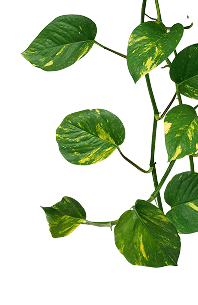
Monkey Jack Care (Artocarpus lacucha)

Monkey Jack

About Monkey Jack

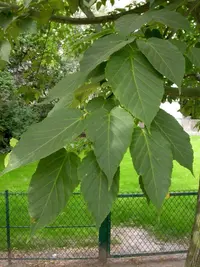
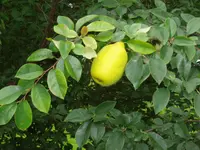
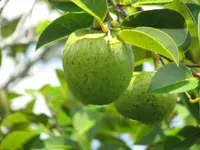
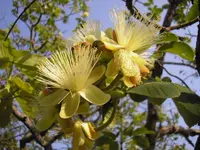
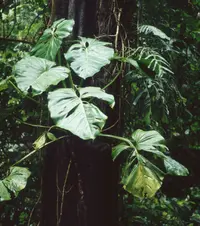
Monkey jack, Artocarpus lacucha, is a tropical fruit tree in the mulberry family, valued for its edible, sour-sweet fruits and dense, useful timber. It usually grows with a straight trunk, rounded crown, and thick, glossy green leaves, giving it a sturdy, shade-tree appearance in warm climates. This species is native to South and Southeast Asia, where it occurs in lowland forests, village plantings, and home gardens. It is generally considered moderate in difficulty, as it prefers consistently warm temperatures, moisture-retentive but well-drained soil, and ample sun. Gardeners who care for Monkey Jack should note its eventual size and need for space when planning a planting site.

Main Plant Requirements

Care Difficulty

Moderate Care

Light Preference

Full Sun

Water Requirements

Regular Water

Temperature Preference

Tropical / Frost Sensitive

Hardiness Zone

11–12

Soil Texture

Loamy, Sandy, Organic-rich

Soil pH

Acidic (5.5–6.5), Slightly acidic (6.5–7.0)

Soil Drainage

Moist but well-drained

Fertilization

Minimal (feed rarely)

Get Personalized Care Plan

Scan your plant to receive care tips personalized for your specific plant

Available on iOS and Android

How to Care for the Monkey Jack

Artocarpus lacucha performs best in warm, bright outdoor conditions in tropical to subtropical climates.

  • Provide 6–8 hours of direct sun daily, ideally with morning sun and light afternoon shade, especially for young Monkey Jack trees.
  • Allow partial shade (around 3–4 hours direct sun) in very hot regions to reduce leaf scorch and water stress.
  • In dry seasons, protect from harsh afternoon sun with taller plants or shade cloth, while in wetter, cloudy seasons ensure pruning keeps the canopy open to capture light.

Artocarpus lacucha prefers consistently moist but not saturated soil once established outdoors.

  • Water deeply when the top 3–5 cm of soil feels dry, ensuring moisture reaches the root zone rather than applying light surface splashes.
  • Use well-drained loam or sandy loam; standing water, sour smell, yellowing leaves, or blackened roots indicate overwatering and poor drainage.
  • In hot, dry seasons, expect more frequent watering and watch for dull, drooping leaves, while in cooler or rainy periods reduce watering to avoid root rot.

This species thrives in warm, frost-free climates with stable temperatures through most of the year.

  • Optimal growth occurs at 77–90°F (25–32°C), with steady warmth supporting active shoot and root development.
  • Avoid temperatures below 50°F (10°C); brief dips to 41–45°F (5–7°C) may be survived but can slow growth and damage tender tissue.
  • The tree tolerates short heatwaves up to about 100°F (38°C) if soil moisture is maintained, but young plants need mulch and some shade to prevent heat stress.

This species prefers warm, moderately humid air but adapts if moisture needs are monitored.

  • Target 50–70% humidity for steady growth, especially in young or container-grown Monkey Jack.
  • Tolerates brief dips to 35–40% but prolonged very dry air can slow growth and cause marginal leaf browning.
  • Increase humidity with grouped plants, a nearby humidifier, or an outdoor placement sheltered from drying winds.

This species performs best in deep, well-aerated, consistently moist but freely draining soil.

  • Use a loamy mix with 40–60% organic matter such as compost plus mineral material like sand to prevent compaction.
  • Ensure rapid drainage; soil should drain within minutes after watering but still feel slightly moist, not waterlogged, an hour later.
  • Aim for slightly acidic to neutral pH (6.0–7.0) for Artocarpus lacucha to support nutrient availability and root health.
  • Improve aeration in heavy ground or large containers by blending coarse sand or fine bark chips into the top 20–30 cm.

This tree can be grown in containers when kept pruned and given a stable, spacious pot.

  • Choose a wide, heavy container to counterbalance the developing canopy and reduce tipping in strong wind.
  • Use a deep pot that allows a straight, unobstructed main root zone to minimize circling and stress in later growth.
  • Select thicker-walled clay or concrete pots where possible, as they moderate moisture swings and improve root-zone temperature stability.

Artocarpus lacucha benefits from moderate feeding when grown in managed orchards or large containers.

  • Apply a balanced NPK granular or slow-release fertilizer at the start of the warm growing season, once every 3–4 months.
  • In richer soils, use well-rotted compost around the drip line instead of high-dose synthetic products.
  • Use at 1/2–3/4 the label rate to avoid salt stress and excessive vegetative growth in Monkey Jack.
  • Reduce or stop feeding in cool months or dry dormant periods, focusing instead on watering and mulch management.

Pruning Artocarpus lacucha is mainly done to maintain structure, fruiting efficiency, and safe tree size.

  • Carry out main pruning in late dry season or late winter before active growth resumes.
  • Remove dead, diseased, rubbing, or storm-damaged branches with sharp, clean bypass loppers or a pruning saw.
  • Thin crowded interior shoots to improve light penetration and air flow, which supports healthier growth and fruit quality.
  • Shorten overly vigorous leaders to maintain a strong, well-spaced framework and manageable canopy height.

Artocarpus lacucha is usually field-grown, so care focuses on timely transplanting rather than long-term container culture.

  • Transplant when young trees show circling roots in nursery bags or when growth slows despite good care.
  • Aim for late spring or early rainy season so roots establish quickly in warm, moist soil.
  • Shift to a hole 2–3 times wider than the root ball, keeping the root flare level with the surrounding soil.
  • Water deeply after planting, mulch 5–8 cm thick, and shade lightly for 1–2 weeks to limit transplant shock.

Artocarpus lacucha is typically propagated from seed, with vegetative methods used where specific traits must be preserved.

  • Sow fresh, fully ripe seeds in late spring or early rainy season for highest viability.
  • Use a free-draining, slightly rich mix, keep it evenly moist, and maintain warmth around 75–85°F for germination.
  • Plant seeds 2–3 cm deep, label clearly, and protect trays from direct midday sun and heavy rain splash.
  • In advanced setups, air-layering selected branches during the wet season can clone desirable trees for consistent fruit quality.

This tropical tree is not frost hardy and needs protection in regions with cool or freezing winters.

  • In ground, use a 5–8 cm mulch layer around the root zone, keeping material away from the trunk.
  • Wrap young trunks with breathable frost cloth in areas prone to light freezes.
  • Move container plants indoors or into a heated greenhouse before temperatures drop near 40°F.

Care Tips

Early structural training

Select 3–4 strong primary branches in the first 2–3 years and remove steep, crowded shoots so the tree forms a wide, open canopy that can carry fruit weight safely later.

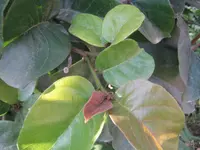
Fruit thinning practice

When branches set heavy clusters, remove some young fruits by hand so remaining fruits size up better and branches are not stressed or broken by excess weight.

Wind and stake management

Stake young trees in windy sites with 2–3 sturdy posts and soft ties, then gradually loosen and remove supports over 2–3 years to encourage a strong trunk and root system.

Mulch for root health

Maintain a 5–8 cm thick ring of coarse organic mulch around, but not touching, the trunk to protect shallow feeder roots, stabilize soil moisture, and reduce weed competition.

Sanitation against borers

Promptly prune and destroy dead twigs, storm-damaged limbs, and any borer-infested wood, and keep the trunk free of wounds to reduce pest entry points when growing Monkey Jack.

Common Pests and Diseases

stem borer

This pest tunnels inside young stems and branches, causing wilting, dieback, and sometimes branch breakage. Symptoms include small entry holes, frass (sawdust-like material), and sudden decline of affected shoots.

Solution

Prune and destroy infested shoots as soon as boring activity is noticed, cutting back to healthy wood. For larger trees, monitor regularly, remove and burn affected branches, and in orchard settings use light traps and trunk banding plus timely application of targeted systemic insecticides by a certified professional if damage is heavy.

fruit borer

These insects lay eggs on developing fruits, and the larvae feed inside, leading to internal rotting, premature fruit drop, and small exit holes on the skin. Symptoms include oozing, browning of fruit flesh, and increased fruit loss near maturity.

Solution

Collect and destroy all infested and fallen fruits promptly to break the life cycle. Use fruit bagging on young fruits in small-scale plantings, maintain orchard sanitation, and where common, monitor with pheromone traps and apply targeted sprays at egg-laying periods following local agricultural guidelines.

scale insects

This pest attaches to twigs, leaves, and sometimes fruits, sucking sap and weakening the tree. Symptoms include sticky honeydew, sooty mold growth, leaf yellowing, and reduced vigor, especially on young trees or those grown under stress.

Solution

Prune and discard heavily infested twigs, then wash accessible parts with a strong stream of water to dislodge scales. For light infestations, wipe reachable branches with a cloth dampened in mild soapy water or horticultural oil; for larger trees and orchard conditions, use scheduled horticultural oil sprays and encourage natural predators such as lady beetles and parasitic wasps.

leaf spot

This disease causes small brown to dark lesions on leaves that may enlarge, coalesce, and lead to premature leaf drop in humid conditions. Symptoms include irregular spotting, sometimes with yellow halos, and thinning of the canopy if infection is severe or recurrent.

Solution

Collect and destroy fallen leaves, and prune for better airflow and light penetration to reduce leaf wetness duration. Avoid overhead irrigation where possible, and in recurring severe cases on valuable trees use a copper-based or other registered fungicide at the start of the rainy season, following label directions carefully as part of broader Artocarpus lacucha plant care.

fruit rot

This disease affects ripening fruits, which develop soft, water-soaked areas that turn brown or black and may produce fungal growth on the surface. Symptoms include rapid breakdown of stored or on-tree fruits, often starting at minor wounds or insect damage sites.

Solution

Harvest fruits carefully to avoid injuries, and promptly remove and destroy any rotting fruits on the tree or ground. Improve air circulation through pruning, avoid wetting fruits during irrigation, and in wet, disease-prone areas consider pre-harvest fungicide sprays timed to local recommendations for closely related Artocarpus species.

Interesting Facts

Native fig relative

This species is a wild tropical tree from the mulberry family (Moraceae) and is closely related to jackfruit and breadfruit, forming a natural component of moist deciduous and semi-evergreen forests in South and Southeast Asia.

Lac insect host

The tree is a well-documented host for lac insects (Kerria spp.), which secrete a natural resin used traditionally to produce shellac and lacquer, giving the species economic importance beyond its fruit.

Fermented sour fruit

Its small, sour, orange-red fruits are often eaten fresh or pickled and are also traditionally used in fermented preparations, where their acidity contributes to flavor and preservation in local cuisines.
Botan icon

Did you know?

In parts of South and Southeast Asia, large, mature trees are sometimes deliberately retained in fields and village areas because their dense canopy provides valued shade and serves as a long-term, multiuse resource for fruit, fodder, timber, and lac resin production.

FAQs about Monkey Jack

This tree is considered moderately fast-growing, often adding about 30–60 cm of height per year in warm, humid climates with good moisture and fertility. Growth slows in poor soil, dry conditions, or cooler subtropical areas.

Grow Healthy Plants with Botan Care

Keep your plants happy and healthy with plant identification, disease detection, and easy care guidance.
Botan plant care app — identify plants on mobile

Explore More Plants