pond apple Care (Annona glabra)

Also known as: Alligator Apple, kaitambu, uto ni bulumakau, corossolier des marais, annone des marais, bullock's heart, cherimoyer
pond apple

About pond apple

Pond apple, Annona glabra, is a semi-evergreen tree native to wetlands and swampy coastlines in Florida, the Caribbean, Central America, and northern South America. It is often found along riverbanks and brackish shores.

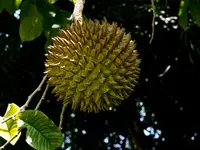
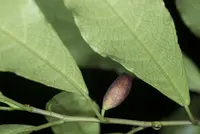
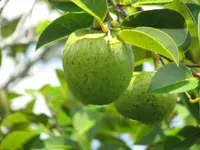
The tree forms a rounded crown with glossy green leaves and pale, nodding flowers that develop into large, bumpy, yellow-green fruits. It tolerates seasonal flooding, wind, and brief salt exposure, which makes it resilient in tough, waterlogged sites.

For those learning how to care for pond apple, it is generally easier in warm, frost-free climates with full sun and consistently moist, slightly acidic soil.

Main Plant Requirements

Care Difficulty

Moderate Care

Light Preference

Full Sun

Water Requirements

Aquatic

Temperature Preference

Tropical / Frost Sensitive

Hardiness Zone

10–12

Soil Texture

Sandy, Loamy, Organic-rich

Soil pH

Acidic (5.5–6.5), Slightly acidic (6.5–7.0)

Soil Drainage

Waterlogged tolerant

Fertilization

Minimal (feed rarely)

Get Personalized Care Plan

Scan your plant to receive care tips personalized for your specific plant

Available on iOS and Android

How to Care for the pond apple

This species prefers strong light in warm, open sites but tolerates some shade in hot climates.

  • Provide 6–8 hours of direct sun daily for fastest growth, with morning sun and light afternoon shade in very hot inland areas.
  • Young pond apple trees handle partial shade; 3–4 hours of direct sun plus bright, filtered light helps reduce leaf scorch while establishing roots.
  • In humid subtropical zones, full sun is suitable; in drier regions, watch for leaf yellowing or crisp margins as signs of excessive sun stress.

This wetland tree thrives in consistently moist to saturated conditions and tolerates brief flooding.

  • In the ground, allow no more than the top 1–2 cm of soil to dry; standing water is acceptable if oxygenated, as in swamps or pond margins.
  • Aim for soil that feels cool and spongy; wilting, dull foliage, or browning leaf edges indicate that Annona glabra is staying too dry.
  • Yellowing leaves combined with sour, foul-smelling soil suggest root problems; improve water movement slightly but do not let the planting area turn fully dry.

This tropical species grows best in warm, frost-free climates with mild seasonal changes.

  • Optimal growth occurs around 75–90°F (24–32°C); growth slows when temperatures drop below 65°F (18°C).
  • The tree is highly frost sensitive; damage often appears below 40°F (4°C) and young plants can be killed near 32°F (0°C).
  • Mature trees tolerate brief heat up to about 100°F (38°C) if soil stays moist; extended hot, dry winds can cause leaf drop and tip burn.

This swamp-adapted species prefers high humidity but survives in moderately drier air if watered well.

  • Aim for 60–80% humidity to mimic its native wetland conditions and support vigorous growth.
  • Tolerates brief drops to 40–50%, but leaf edges may brown or curl and new growth may stall when air stays dry.
  • Use grouped plantings, trays with water and pebbles, or a nearby humidifier to raise humidity around pond apple.

This wetland tree needs constantly moist, rich, and slightly acidic soil, even when grown away from natural swamps.

  • Use a heavy loam with high organic matter, such as 50–60% composted bark or compost blended with native soil and coarse sand.
  • Keep drainage slow but not stagnant; soil should feel saturated yet not smell sour, indicating adequate oxygen for roots.
  • Target pH around 5.5–6.5, adding elemental sulfur or peat if your local soil is noticeably alkaline.
  • Avoid dry, rocky, or compacted ground; improve aeration by mixing in coarse sand and fine pine bark instead of only dense clay.

This species can be grown in large containers, mainly during its juvenile stages or where in-ground planting is not possible.

  • Select a deep, heavy pot that resists tipping as the tree develops a taller canopy and catches wind.
  • Use a moisture-retentive mix, such as loam with compost and some sand, and keep the medium evenly saturated without allowing surface crusting.
  • Place the container where it will not overheat on paved surfaces, as hot roots in confined volume can stress this wetland-adapted tree.

Healthy Annona glabra trees usually need only light feeding, especially on fertile, moist sites.

  • Use a balanced slow-release fertilizer (around 10-10-10) or well-rotted compost once in early spring for young or container-grown pond apple.
  • Apply a light second feeding in midsummer only if growth is weak or leaves look pale.
  • Use fertilizer at 1/2 strength for container plants and water before and after application to limit root burn.
  • Stop feeding 6–8 weeks before expected cool weather to allow growth to harden off.

Pruning Annona glabra is mainly done to maintain structure, remove damage, and manage size.

  • Carry out main pruning in late winter or very early spring before vigorous new growth starts.
  • Remove dead, diseased, crossing, or inward-growing branches to open the canopy and improve airflow.
  • Shorten or thin crowded shoots to shape the tree and keep a strong central framework.
  • Use clean, sharp bypass pruners or a pruning saw, making smooth cuts just outside the branch collar.

Annona glabra is usually grown in the ground, so focus on careful transplanting of young trees.

  • Transplant in late winter to early spring, when temperatures are mild and growth is just starting.
  • Move when roots lightly circle the pot or growth slows, typically every 1–2 years for nursery stock.
  • Water thoroughly before and after transplanting, and keep the root ball intact to reduce stress.
  • Plant at the same depth in a larger hole with moist, well-drained soil, then mulch 5–8 cm to stabilize moisture.

Annona glabra is commonly propagated from seed, with cuttings used less often for specialized purposes.

  • Collect ripe seeds, clean off pulp, and sow fresh in warm conditions around 75–85°F in spring.
  • Use a free-draining mix, keep evenly moist, and provide bright light; germination may take several weeks.
  • Lightly scarify or soak seeds for 12–24 hours to improve water uptake and speed germination.
  • For semi-hardwood cuttings, use rooting hormone, bottom heat, and high humidity to encourage rooting.

This subtropical tree has low frost tolerance and needs protection in regions with cold winters.

  • In USDA zones below 10, grow Annona glabra in large containers and move indoors before temperatures drop near 40°F.
  • For in-ground trees in marginal climates, mulch the root zone 5–10 cm deep to buffer soil temperatures.
  • Wrap young trunks with breathable frost cloth or burlap during brief cold snaps to reduce tissue damage.

Care Tips

Early trunk training

Stake young trees loosely and adjust ties every 3–4 months so the main trunk develops straight and strong enough to handle future fruit weight and occasional flooding in low sites.

Flood tolerance management

In poorly drained or seasonally wet areas, gradually expose the tree to longer periods of standing water over 1–2 seasons so roots adapt, but avoid sudden, deep, prolonged flooding on newly planted specimens.

Salt exposure planning

When planting near brackish or coastal water, position the tree slightly upslope or behind a windbreak to reduce direct saltwater contact and salt-laden wind burn on young foliage.

Root suckers control

Inspect the base and nearby soil 2–3 times per year and cut root suckers at soil level to prevent unwanted thickets and to keep resources directed into the main tree canopy.

Wildlife and fruit management

Where fallen fruit attracts wildlife or becomes messy, harvest fruit promptly at first color change and use a mulched drop zone under the canopy to make cleanup faster and safer when growing pond apple in landscapes.

Common Pests and Diseases

Fruit borer

This pest tunnels into developing fruits, causing internal feeding damage, premature fruit drop, and contamination with frass. Symptoms include small entry holes on the fruit surface and brown, corky tissue inside.

Solution

Remove and destroy infested fruits as soon as damage is noticed to break the life cycle. For larger plantings, use pheromone or light traps and apply a targeted Bacillus thuringiensis (Bt) or spinosad spray to young fruits according to label directions, focusing treatments on flowering and early fruit set periods.

Scale insects

These insects attach to twigs, leaves, and sometimes fruit, sucking sap and producing sticky honeydew that can lead to sooty mold. Symptoms include yellowing leaves, reduced vigor, and small shell-like bumps on stems and leaf undersides.

Solution

Prune out heavily infested twigs and dispose of them away from the planting area. Wash accessible plant parts with a strong water spray, then use a horticultural oil application to smother remaining scales, repeating as needed while monitoring for natural predators such as lady beetles.

Mealybugs

This pest forms cottony white clusters in leaf axils, on young stems, and occasionally on roots, extracting sap and weakening the plant. Symptoms include distorted new growth, sticky honeydew, and black sooty mold on leaves and nearby surfaces.

Solution

Wipe or wash off visible colonies with a cotton swab dipped in diluted alcohol or soapy water, then rinse the plant. In outdoor situations, encourage natural enemies and, for heavier infestations, use insecticidal soap or light horticultural oil, ensuring thorough coverage of hidden crevices.

Anthracnose

This disease causes dark, sunken lesions on leaves, twigs, and fruit, often leading to fruit spotting, cracking, and early fruit drop in warm, humid conditions. Symptoms include irregular brown to black leaf spots that may merge and cause partial leaf blight.

Solution

Collect and destroy fallen leaves and mummified fruit to reduce inoculum, and prune for better light penetration and airflow. In areas with frequent rainfall during flowering and early fruit development, use a protectant copper or other labeled fungicide on a regular schedule, avoiding overhead irrigation where possible.

Algal leaf spot

This disease produces small, circular, raised spots that are dull green to rusty red, often with a slightly velvety surface on leaves and young stems. Symptoms include roughened patches and occasional twig dieback when lesions are numerous.

Solution

Improve air circulation by thinning dense canopies and avoid prolonged leaf wetness from irrigation. Remove and dispose of badly affected leaves and twigs, and where the problem is persistent, a copper-based fungicide/algicide applied during warm, wet periods can help limit new infections.

Interesting Facts

Specialized mangrove associate

Pond apple naturally grows in freshwater and slightly brackish swamps, frequently forming dense stands at the landward edge of mangrove forests in southern Florida and the Caribbean.

Seed dispersal by flooding

Its large, buoyant fruits often fall into water and are carried by currents, allowing the seeds to disperse over long distances through floods and tidal movements.

Invasive in some regions

Outside its native range, especially in parts of Australia, pond apple forms thick thickets in wetlands that displace native vegetation and alter hydrology, leading to legal control measures against its spread.
Botan icon

Did you know?

Pond apple can tolerate waterlogged, low-oxygen soils that kill many tree species because its roots develop in saturated mud while its trunk and lower crown withstand prolonged flooding, making it one of the more flood-tolerant trees in subtropical wetlands.

FAQs about pond apple

This species grows relatively quickly in warm, wet conditions, especially on consistently moist or waterlogged soils. Growth slows in cooler climates, dry sites, or when roots are restricted by containers or compacted ground.

Grow Healthy Plants with Botan Care

Keep your plants happy and healthy with plant identification, disease detection, and easy care guidance.

Botan plant care app — identify plants on mobile

Explore More Plants