
Windbreak establishment
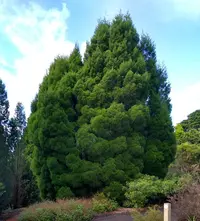
In the first 3–4 years, plant a temporary windbreak hedge or use shade cloth on the windward side so young trees develop straight, strong trunks instead of wind-twisted, weak growth.

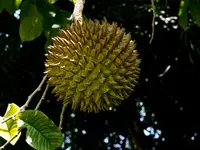
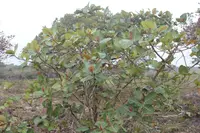
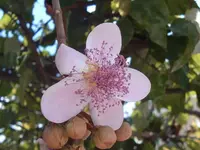
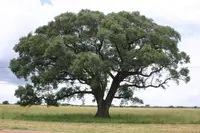
Annona purpurea, often called soncoya or cabeza de negro, is a tropical fruit tree in the custard apple family. It forms a small to medium tree with a rounded crown and spreading branches.
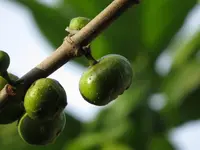
The tree produces large, rough, spiny fruits with orange to salmon flesh and broad, simple leaves that create a dense canopy. It is native to lowland tropical regions of Central and South America, where it grows in warm, humid climates.
Annona purpurea tends to be more suited to experienced growers, as it dislikes cold, waterlogging, and long dry spells. Understanding how to care for annona starts with providing consistently warm conditions, moderate moisture, and a well-drained soil.

Care Difficulty
Moderate Care

Light Preference
Full Sun

Water Requirements
Regular Water

Temperature Preference
Tropical / Frost Sensitive

Hardiness Zone
10–12

Soil Texture
Loamy, Sandy, Organic-rich

Soil pH
Acidic (5.5–6.5), Slightly acidic (6.5–7.0)

Soil Drainage
Moist but well-drained

Fertilization
Light (every 4–6 weeks)
Scan your plant to receive care tips personalized for your specific plant
Available on iOS and Android
This tropical fruit tree needs strong, consistent light to flower and fruit well.
This species prefers evenly moist, well-drained soil and reacts quickly to extremes in watering.
This lowland tropical tree thrives in warm, frost-free conditions year-round.
This species prefers moderately high humidity and reacts if air stays too dry for long.
Annona purpurea thrives in deep, loose, well‑aerated soil that drains quickly but holds steady moisture.
This tree can be grown in large containers when the pot is chosen to support its vigorous root and canopy growth.
Annona purpurea benefits from light, steady nutrition rather than heavy feeding.
Pruning Annona purpurea helps maintain structure, light penetration, and manageable size.
Annona purpurea is usually grown in the ground, but young trees or container plants may need timely transplanting.
Annona purpurea is most commonly propagated from seed, though this can be slow.
This tropical tree has low frost tolerance and needs careful winter management in cooler climates.

Plant Health Check
Not sure what's wrong with your plant? Check your plant's health inside the app.
The fruit of this species develops a notably thick, corky, and somewhat warty rind that protects the soft, aromatic pulp from mechanical damage and some pests while it ripens on the tree.
Inside the fruit, the glossy brown seeds are embedded in separate, fibrous segments of pulp, which is a characteristic feature used by botanists to distinguish this species from closely related annonas.
This tree is naturally distributed from southern Mexico through Central America into parts of South America, where it grows in lowland, humid tropical forests up to roughly mid-elevation zones.

Genetic and morphological studies indicate that this species occupies an interesting position within the annona group, helping researchers understand how different Neotropical annonaceae fruits evolved in terms of rind thickness, pulp texture, and seed arrangement.
Yes, this species can be grown in large, sturdy containers if given full sun, regular watering, and rich, well‑drained soil. Container culture helps control size and makes protection from cold snaps or storms easier.
Keep your plants happy and healthy with plant identification, disease detection, and easy care guidance.