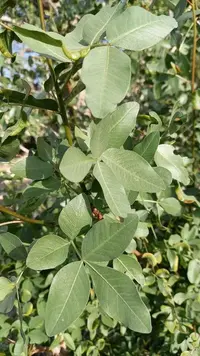
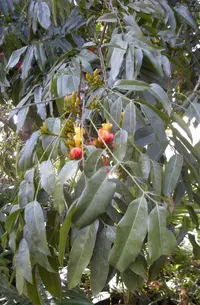
clustertree Care (Ficus racemosa)

Also known as: Cluster Fig
clustertree

About clustertree

Clustertree, Ficus racemosa, is a fast-growing fig species that typically develops into a medium to large tree with a broad, spreading crown. It is best suited to outdoor planting in warm, frost-free climates rather than small indoor spaces. The tree is known for its unusual clusters of figs that form directly on the trunk and main branches, giving it a distinctive appearance. It occurs naturally in South and Southeast Asia, often along rivers and in moist lowland areas. Understanding how to care for clustertree starts with knowing that it prefers bright light, warmth, and consistently moist but well-drained soil.

Main Plant Requirements

Care Difficulty

Moderate Care

Light Preference

Full Sun

Water Requirements

Moderate Water

Temperature Preference

Tropical / Frost Sensitive

Hardiness Zone

10–12

Soil Texture

Sandy, Loamy, Organic-rich

Soil pH

Acidic (5.5–6.5), Slightly acidic (6.5–7.0)

Soil Drainage

Moist but well-drained

Fertilization

Minimal (feed rarely)

Get Personalized Care Plan

Scan your plant to receive care tips personalized for your specific plant

Available on iOS and Android

How to Care for the clustertree

Ficus racemosa thrives in bright, open conditions with protection from extreme midday sun.

  • Provide 4–6 hours of direct morning sun, then bright filtered light or light shade for the rest of the day to reduce leaf scorch risk.
  • The clustertree tolerates partial shade, but growth becomes sparser and fruiting decreases if it receives less than 3–4 hours of direct or strong indirect light.
  • In hot summers, shield from harsh afternoon sun with taller trees or structures, and in cooler seasons allow more direct exposure to maximize photosynthesis.

This species prefers evenly moist, well-drained soil rather than constantly wet conditions.

  • Irrigate when the top 3–5 cm of soil feels dry, applying a deep soak that reaches the root zone rather than frequent light sprinkling.
  • During hot, dry periods, monitor soil every 2–3 days; in cooler or rainy seasons, extend intervals and reduce volume to avoid waterlogging around the trunk.
  • Yellowing, soft leaves and sour-smelling soil indicate overwatering, while dull, wilting leaves and dry, cracked surface soil suggest the tree needs water; adjust accordingly for Ficus racemosa.

This tropical fig prefers warm, stable temperatures and does poorly in frost.

  • Optimal growth occurs at 70–90°F (21–32°C), where steady warmth supports active shoot and root development.
  • The tree is damaged near 32°F (0°C) and young plants can die with light frost, so protect from cold snaps using covers or by planting in sheltered microclimates.
  • It tolerates short heatwaves up to about 100°F (38°C) if soil moisture is maintained, but extended extreme heat with dry soil leads to leaf scorch and drop.

This fig species prefers moderately humid air but usually adapts to typical household conditions.

  • Aim for 40–60% humidity, especially for young clustertree plants or those grown in warm rooms.
  • Dry air can cause leaf edge browning and fine cracking, especially during heated winters.
  • Increase humidity with grouped plants, a pebble tray under the pot, or brief daily misting in very dry climates.

This species prefers deep, well-structured, moisture-retentive yet freely draining soil.

  • Use a loamy mix with high organic content, such as 50% composted bark or leaf mold, 30% coarse sand, and 20% perlite.
  • Ensure rapid drainage to prevent waterlogging, which promotes root rot in Ficus racemosa.
  • Keep soil slightly acidic to neutral, around pH 6.0–7.0, avoiding strongly alkaline conditions that limit nutrient uptake.
  • Improve aeration by incorporating chunky materials (bark chips, coarse perlite) and avoiding compaction from frequent heavy foot traffic or machinery.

This tree can be grown in large containers for some years but needs careful management of size and stability.

  • Select a wide, heavy container to counterbalance the tree’s spreading canopy and reduce tipping risk in wind-exposed sites.
  • Choose a deep pot that provides a substantial root volume so growth remains steady without rapid drying between irrigations.
  • Use thick-walled clay or concrete containers in hot climates to buffer root temperature and moderate moisture fluctuations.

Ficus racemosa benefits from modest feeding in containers or managed landscapes, but established trees in the ground often need little fertilizer.

  • During spring–summer, apply a balanced 10-10-10 or 14-14-14 fertilizer at 1/2 strength every 6–8 weeks for young or potted trees.
  • Use slow-release granules or well-rotted compost over the root zone, keeping fertilizer away from the trunk base.
  • In fall–winter, reduce feeding to once, or skip entirely if growth has slowed and foliage looks healthy.
  • Always water before and after applying fertilizer to prevent root burn and ensure even nutrient distribution for clustertree.

Ficus racemosa responds well to thoughtful pruning that maintains structure, safety, and access around the tree.

  • Carry out main pruning in late winter or early spring, before strong new growth begins.
  • Remove dead, diseased, crossing, or storm-damaged branches first, cutting back to sound wood with clean, sharp tools.
  • Thin congested inner branches to improve light and air movement while maintaining a balanced, stable canopy.
  • Limit heavy reductions in a single year; shaping is most effective through gradual, light cuts over several seasons.

Ficus racemosa is usually grown in the ground, so care focuses on transplanting young trees rather than frequent repotting.

  • Transplant in late winter or early spring when temperatures are mild and active growth is about to resume.
  • Look for roots circling the pot, reduced vigor, or quick drying soil as signs a container plant needs a larger space.
  • Move up 1–2 pot sizes or into a prepared ground site with well-drained soil, keeping the root flare at soil level.
  • Water deeply before and after transplanting, mulch 5–8 cm thick, and shade the canopy for 1–2 weeks to reduce transplant shock.

Ficus racemosa is commonly propagated from seeds and semi-hardwood cuttings under warm, humid conditions.

  • Collect ripe figs, clean and sow fresh seed in a free-draining mix, keeping it warm at 75–85°F and consistently moist.
  • Take semi-hardwood cuttings in late spring–summer, 10–15 cm long, removing lower leaves and using a rooting hormone if available.
  • Place cuttings in a coarse, sterile medium, maintain high humidity, and provide bright, indirect light until roots form.
  • Air-layering thicker branches during warm months also works, using moist sphagnum around a girdled section wrapped in plastic.

Ficus racemosa is a tropical to subtropical tree that tolerates only light, brief chills and is not suited to freezing winters.

  • In regions with frost, grow in a large container so the plant can be moved indoors or into a greenhouse before temperatures drop below 40°F.
  • For in-ground trees in marginal climates, apply a 5–10 cm mulch layer over the root zone, keeping it clear of the trunk.
  • During cool months indoors, give maximum light, reduce watering slightly, and avoid cold drafts or heating vents around the foliage.

Care Tips

Root suckers control

Remove root suckers and basal shoots several times a year so the tree puts energy into a strong main trunk and scaffold branches rather than a thicket of weak stems.


Structural branch training

While young, select 3–5 well-spaced main branches and lightly prune or tie them to form a broad, open canopy that can support the heavy clustered figs along the trunk and larger limbs.

Mulch for trunk figs

Maintain a 5–8 cm ring of coarse organic mulch around but not touching the trunk to stabilize soil moisture and make it easier to collect and inspect figs that drop from the lower trunk.

Space for surface roots

Plant well away from walls, pipes, and paving because this species develops aggressive surface roots; give at least 5–6 m clearance so roots and trunk can expand safely when growing clustertree.

Latex-safe handling

Wear gloves and long sleeves when pruning because the milky latex can irritate skin, and rinse tools in soapy water afterward to prevent sticky buildup and disease spread between cuts.

Common Pests and Diseases

Fig wax scale

This pest forms brown, gray, or white dome-shaped bumps on stems and branches, often covered with waxy deposits and honeydew. Symptoms include sticky leaves, sooty mold growth, and gradual decline in vigor.

Solution

Prune and destroy heavily infested twigs, then wipe remaining stems with a cloth dipped in diluted horticultural soap or alcohol to remove scales and wax. For trees in the ground, encourage natural predators such as ladybird beetles and parasitic wasps, and if needed use repeat applications of a labeled horticultural oil during crawler stages, following local Ficus racemosa care guidelines.

Fig leaf beetle

This pest feeds on young leaves, causing irregular holes, skeletonized areas, and in severe cases near-complete defoliation. This pest is especially troublesome on young trees and new flushes of growth.

Solution

Hand-pick adult beetles and larvae where practical and destroy heavily damaged leaves. Reduce nighttime lighting that attracts adults, and where damage is persistent, apply a targeted neem or spinosad-based spray to young foliage, coating leaf undersides and repeating as per product directions.

Leaf spot

This disease causes small water-soaked lesions on leaves that enlarge into brown, tan, or dark spots, sometimes with a yellow halo. Symptoms include premature leaf drop and thinning of the canopy in humid or rainy periods.

Solution

Remove and discard affected leaves from the tree and ground, and avoid overhead watering to keep foliage dry. Improve spacing and airflow around the plant, and if spotting continues, use a copper- or chlorothalonil-based fungicide labeled for ornamental figs, applied at the first sign of new lesions.

Anthracnose

This disease produces irregular dark brown to black lesions on young leaves, shoots, and sometimes fruit, often starting at the tips or margins. Symptoms include distorted new growth, tip dieback, and partial defoliation during warm, wet weather.

Solution

Prune and destroy infected twigs and badly spotted leaves, cutting back into healthy tissue and sterilizing tools between cuts. Increase light and air movement, avoid prolonged leaf wetness, and in severe or recurring cases apply a systemic or copper fungicide at bud break and repeat during extended wet spells.

Nematode damage

This problem is caused by plant-parasitic nematodes in the soil that attack roots, leading to poor growth, yellowing foliage, and reduced fruiting; roots may show galls or appear stunted. Symptoms include chronic wilting in hot weather despite adequate watering.

Solution

Plant into well-drained, organic-rich soil and rotate planting sites if young trees fail repeatedly, since nematode populations build up over time. Use clean nursery stock, incorporate organic matter such as composted manure to support beneficial microbes, and in infested soils consider resistant understocks or soil solarization during the hottest months before replanting.

Interesting Facts

Multiple fig crops yearly

Ficus racemosa often produces several overlapping crops of figs on the same tree in a year, providing a nearly continuous food source for fruit-eating birds, bats, and mammals in its native range.

Clustered trunk figs

Unlike many figs that fruit mainly on branches, this species develops dense clusters of figs directly on its trunk and thick branches, a trait called cauliflory that makes the fruit more accessible to ground-dwelling animals.

Obligate wasp partner

Each tree depends on a specific tiny fig wasp, Ceratosolen fusciceps, to pollinate its enclosed flowers inside the fig, forming a highly specialized mutualism in which both the wasp and the tree complete their life cycles together.

Botan icon

Did you know?

In traditional agroforestry landscapes of South and Southeast Asia, mature Ficus racemosa trees often serve as keystone resources, with their year-round fig production helping stabilize local wildlife populations even when surrounding vegetation is highly modified by agriculture.

FAQs about clustertree

Growth is relatively fast in warm, moist climates. Young trees can add 60–120 cm per year, eventually reaching 10–20 m tall with a broad, rounded crown if given enough root space and consistent care.

Grow Healthy Plants with Botan Care

Keep your plants happy and healthy with plant identification, disease detection, and easy care guidance.

Botan plant care app — identify plants on mobile

Explore More Plants