Wind-firm training
In the first 2–3 years, pinch back overly long, upright shoots after the flush hardens to encourage a broad, low scaffold that resists storm damage and supports future fruit loads.

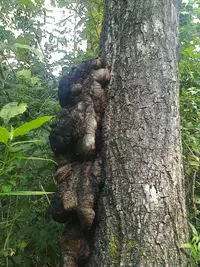
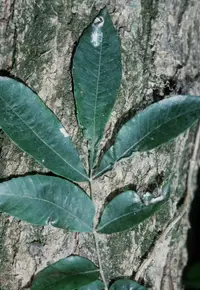
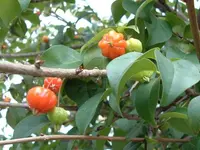
Spondias radlkoferi is a tropical deciduous tree in the cashew family, valued mainly for its shade, foliage, and small, plum-like fruits. It typically develops a rounded crown with compound leaves and can reach medium to large tree size in warm climates.
This species is native to Central America and parts of Mexico, where it grows in seasonal forests and disturbed areas. In cultivation it prefers warm temperatures, sun to light shade, and well-drained soil.
Its relatively fast growth and tolerance of seasonal drought make it easier to manage in suitable outdoor climates, though it does not handle frost. Understanding how to care for Spondias radlkoferi starts with providing a warm, bright, and frost-free environment.

Care Difficulty
Moderate Care

Light Preference
Full Sun

Water Requirements
Moderate Water

Temperature Preference
Tropical / Frost Sensitive

Hardiness Zone
10–12

Soil Texture
Sandy, Loamy, Organic-rich

Soil pH
Acidic (5.5–6.5), Slightly acidic (6.5–7.0)

Soil Drainage
Well-drained

Fertilization
Minimal (feed rarely)
Scan your plant to receive care tips personalized for your specific plant
Available on iOS and Android
This tropical tree grows best in warm, bright sites with consistent sun exposure.
This species prefers evenly moist, well-drained soil and becomes more drought-tolerant as it matures.
This tree favors warm, frost-free climates with stable growing-season temperatures.
This species tolerates a wide humidity range but benefits from moderately humid air in dry climates.
This tree prefers deep, well-aerated, moderately fertile soil that drains freely yet retains some moisture.
This species can be grown in containers for its early years, though it ultimately prefers open ground for full size and vigor.
This species is a light feeder and often grows acceptably in native, moderately fertile soil without supplemental nutrients.
Pruning is mainly needed to maintain structure, remove problem wood, and keep the tree safe and manageable.
This tree is usually grown in the ground, so transplanting young specimens correctly is more important than long-term container repotting.
Propagation of this species is usually done from seeds or woody cuttings, but it demands warm conditions and patience.
This is a warm-climate tree with limited frost tolerance, so cold conditions require some planning.

Plant Health Check
Not sure what's wrong with your plant? Check your plant's health inside the app.
This tree naturally occurs along rivers and seasonal streams from southern Mexico through Central America, often forming part of ripriparian gallery forests where its roots help stabilize banks and reduce erosion.
Its plum‑like drupes are a key food source for birds, bats, and mammals in the dry and semi‑humid tropics, and seed dispersal by these animals helps maintain populations across fragmented landscapes.
In many parts of its range the tree drops its leaves during the pronounced dry season, a common drought‑avoidance strategy that reduces water loss while allowing rapid refoliation once rains return.
Growth is moderate. In warm, frost‑free conditions, young plants commonly add 30–60 cm per year. With good soil and moisture, it can resemble a small tree in roughly 5–7 years.
Keep your plants happy and healthy with plant identification, disease detection, and easy care guidance.