Wind-shaping young plants
In the first 2–3 years, lightly stake young plants only in very windy sites, then gradually loosen and remove ties so the trunk can flex and strengthen rather than staying permanently supported.

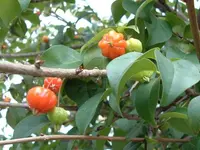
Surinam cherry, Eugenia uniflora, is an evergreen shrub or small tree grown for its glossy foliage and ribbed, cherry-like fruits. It is often used as a hedge, container specimen, or small landscape fruit tree.
In nature it occurs in tropical and subtropical regions of South America, especially Brazil and surrounding areas. It adapts fairly well in warm climates and can tolerate occasional pruning and shaping.
This species prefers bright light, moderate moisture, and well-drained soil, and it responds well to regular care. Understanding how to care for Surinam cherry helps keep growth compact, foliage dense, and fruit production reliable.

Care Difficulty
Moderate Care

Light Preference
Full Sun

Water Requirements
Regular Water

Temperature Preference
Tropical / Frost Sensitive

Hardiness Zone
9–11

Soil Texture
Sandy, Loamy, Organic-rich

Soil pH
Acidic (5.5–6.5), Slightly acidic (6.5–7.0)

Soil Drainage
Moist but well-drained

Fertilization
Minimal (feed rarely)
Scan your plant to receive care tips personalized for your specific plant
Available on iOS and Android
This species prefers bright conditions with some protection from intense midday sun.
This plant prefers evenly moist but not waterlogged soil, especially during active growth and fruiting.
This tropical shrub grows best in warm, frost-free conditions throughout the year.
This species prefers moderate to fairly high humidity but adapts to many home conditions.
Eugenia uniflora grows best in slightly acidic, well-structured, free-draining soil.
This species is well suited to container growing for patios, balconies, or small gardens.
This subtropical fruit tree responds well to moderate feeding when grown in containers or nutrient-poor soil.
Pruning helps Eugenia uniflora maintain a compact, productive shape and good air flow.
This species is often grown in the ground but can adapt to containers that are upsized carefully.
Eugenia uniflora is commonly propagated from both seeds and semi-hardwood cuttings.
This subtropical shrub or small tree has limited frost tolerance and benefits from simple winter protection in cooler areas.

Plant Health Check
Not sure what's wrong with your plant? Check your plant's health inside the app.
The bright red to deep purple berries have 7–8 pronounced vertical ribs, which create the pumpkin-like shape that helps distinguish this species from other edible Myrtaceae fruits.
The ripe fruit is known to be rich in vitamin C and antioxidant compounds, which has led to its traditional use as a fresh snack, juice, and jam ingredient in many parts of South America.
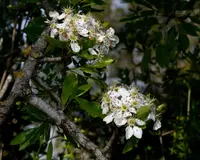
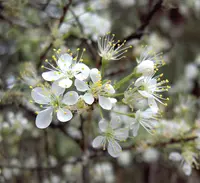
Its white, brush-like flowers produce nectar and abundant pollen that attract bees and other insects, making the shrub a useful resource for urban pollinators and small wildlife.

In some subtropical and tropical regions outside its native range, such as parts of Florida and Hawaii, Surinam cherry has become naturalized and can behave invasively, forming dense thickets that outcompete native understory vegetation.
Yellowing leaves usually result from overwatering, waterlogged soil, or nutrient imbalance, especially nitrogen deficiency. Check drainage, reduce watering frequency, and consider a balanced fertilizer. Older leaves yellowing while new growth stays green can be normal aging.
Keep your plants happy and healthy with plant identification, disease detection, and easy care guidance.