


Use shallow pots
Plant in a wide, shallow pot with good side aeration to encourage a broader, more stable root system and reduce the risk of soggy, airless soil pockets around the rhizomes.

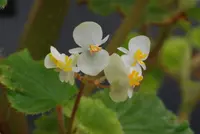
Begonia hirsuta is a rhizomatous begonia valued for its textured foliage and compact growth. It is mainly grown as an ornamental foliage plant rather than for its flowers. Leaves are usually medium to large, often hairy or rough to the touch, with a somewhat asymmetrical shape typical of begonias. Plants form low clumps that suit containers, terrariums, or sheltered garden spots in mild climates. In nature, Begonia hirsuta occurs in tropical to subtropical forest habitats, where it benefits from filtered light and constant moisture. These origins mean it prefers bright shade, evenly moist but well-drained soil, and moderate humidity. With stable conditions and protection from cold, it is not difficult to care for Begonia hirsuta.

Care Difficulty
Moderate Care

Light Preference
Bright Indirect Light

Water Requirements
Moderate Water

Temperature Preference
Tropical / Frost Sensitive

Hardiness Zone
11–12

Soil Texture
Loamy, Peaty, Organic-rich

Soil pH
Acidic (5.5–6.5)

Soil Drainage
Moist but well-drained

Fertilization
Light (every 4–6 weeks)
Scan your plant to receive care tips personalized for your specific plant
Available on iOS and Android
This species prefers bright, filtered light that mimics a forest understory.
This species prefers consistently lightly moist but not waterlogged soil.
This species prefers warm, stable conditions without cold drafts or sudden swings.
This species prefers consistently moist air and reacts quickly to dry indoor conditions.
This species needs a loose, airy, organic-rich mix that drains rapidly but retains moderate moisture.
This species is well suited to container growing when the pot is chosen to manage moisture and root space precisely.
This species benefits from light, consistent feeding during active growth but suffers if overfed.
Pruning is mainly used to keep Begonia hirsuta compact, remove weak growth, and encourage fresh foliage.
Repotting helps maintain healthy growth by refreshing soil and preventing root congestion.
This plant is commonly multiplied from stem or leaf cuttings rather than seed for consistent traits.
This species is frost-sensitive and needs mild, protected conditions through winter, especially in containers.

Plant Health Check
Not sure what's wrong with your plant? Check your plant's health inside the app.
This species is native to the Atlantic Forest of Brazil, where it grows on shaded, humid forest floors and rocky slopes, often in very localized populations.
The specific epithet hirsuta refers to its noticeably hairy foliage and stems, an adaptation that helps trap a thin layer of moisture and slightly reduces water loss in its understory habitat.
Wild populations can show noticeable variation in leaf size, texture, and hairiness from site to site, reflecting local microclimates and making field identification more nuanced than many cultivated begonias.
Yellowing leaves usually result from chronic overwatering, poor drainage, or old foliage aging out. Check that the pot drains freely, empty saucers, and let the top layer of mix dry slightly between waterings to reduce stress.
Keep your plants happy and healthy with plant identification, disease detection, and easy care guidance.

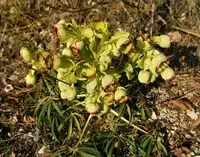
Stinking Hellebore
Helleborus foetidus
 POPULAR
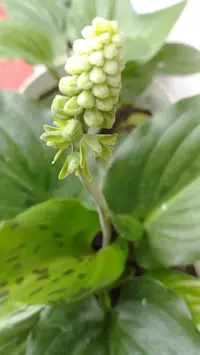
African False Hosta
Drimiopsis maculata
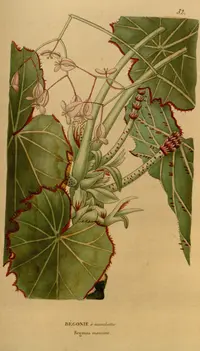
Begonia manicata
Begonia manicata
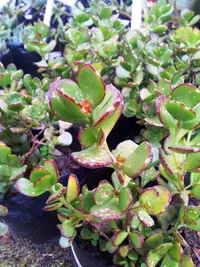
Cotyledon woodii
Cotyledon woodii
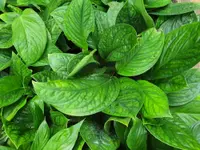
Monstera pinnatipartita
Monstera pinnatipartita
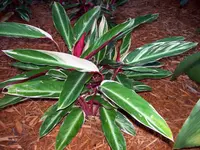
Stromanthe
Stromanthe thalia 'Triostar'
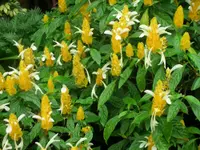
golden shrimp plant
Pachystachys lutea
Lopsided star orchid
Epidendrum secundum