


Rotate For Balance
Rotate the pot 90° every 1–2 weeks during active growth so the plant builds an even, stable framework instead of leaning heavily toward the light and becoming top-heavy.

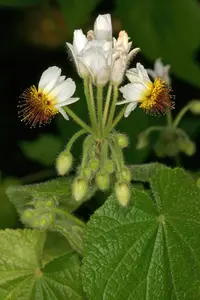
African hemp, Sparrmannia africana, is a fast-growing evergreen shrub or small tree grown mainly as an ornamental foliage and flowering plant. It is valued for its large, soft, heart-shaped leaves and loose clusters of creamy white flowers with showy yellow and red stamens.
The species is native to forest edges and rocky slopes in South Africa, which helps explain its preference for bright light with some protection from harsh sun. It grows quickly in good conditions but can become leggy and needs space and regular shaping.
In cultivation it prefers evenly moist, well-drained soil and consistent indoor temperatures, which simplifies how to care for African Hemp for many home growers.

Care Difficulty
Moderate Care

Light Preference
Partial Shade

Water Requirements
Keep Soil Moist

Temperature Preference
Tropical / Frost Sensitive

Hardiness Zone
10–11

Soil Texture
Loamy, Organic-rich

Soil pH
Acidic (5.5–6.5), Slightly acidic (6.5–7.0)

Soil Drainage
Moist but well-drained

Fertilization
Light (every 4–6 weeks)
Scan your plant to receive care tips personalized for your specific plant
Available on iOS and Android
This fast-growing shrub prefers bright, soft light that mimics a forest edge environment.
This species likes evenly moist conditions but reacts poorly to both drought and waterlogging.
This plant prefers mild, frost-free conditions with only moderate temperature swings.
This species prefers moderate to high humidity and reacts noticeably to very dry air.
This plant performs best in a loose, organic-rich, well-drained mix that still holds some moisture.
This species is suitable for container growing if the pot supports its fast, upright growth habit.
This fast-growing shrub benefits from modest, consistent feeding during active growth.
Pruning helps keep Sparrmannia africana compact, manageable, and flowering well under cultivation.
Container-grown plants need periodic repotting to support the rapid root growth typical of this species.
New Sparrmannia africana plants are most commonly raised from softwood or semi-ripe cuttings.
This species is frost-tender and needs protection in climates with freezing winters.

Plant Health Check
Not sure what's wrong with your plant? Check your plant's health inside the app.
The flowers are extremely sensitive to touch; even a light vibration makes the stamens suddenly spring forward and release clouds of pollen, an adaptation to buzz-pollinating insects that shake the blooms with their wing muscles.
In mild climates this species can reach several meters in only a few seasons, producing light, soft wood and large leaves that give it a coarse, almost subtropical texture in gardens and conservatories.
It is native to the forest margins and ravines of South Africa’s Cape region but has been widely introduced to Mediterranean and oceanic climates, where it is grown as an ornamental shrub in sheltered, frost-free sites.

The plant is named after Anders Sparrman, an 18th‑century Swedish naturalist and disciple of Carl Linnaeus, who collected South African plants while sailing with James Cook and helped formalize early scientific descriptions of the Cape flora.
Flowering reduces when light is too low, temperatures are cool, or the plant is underfed. Crowded roots and old, woody stems also limit buds. Light pruning after flowering and a balanced fertilizer during active growth usually restore bloom.
Keep your plants happy and healthy with plant identification, disease detection, and easy care guidance.

-1-200x154.webp)