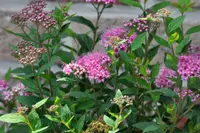
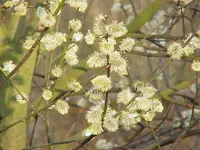
Panicle Hydrangea Care (Hydrangea paniculata Limelight)

Also known as: Hydrangea
Panicle Hydrangea

About Panicle Hydrangea

Panicle hydrangea Hydrangea paniculata Limelight is a deciduous flowering shrub known for its large, cone-shaped flower clusters that shift from pale green to creamy white and pink with age. It has a strong, upright growth habit and forms a dense, multi-stemmed shrub that fits well in mixed borders or as a small feature hedge.

This cultivar originates from a species native to eastern Asia but is widely adapted to many temperate gardens. It is valued for its cold hardiness, strong stems that hold blooms well, and reliable flowering on new wood, which makes pruning more forgiving.

Hydrangea paniculata Limelight prefers sun to light shade, evenly moist soil, and benefits from basic knowledge of how to care for Panicle Hydrangea.

Main Plant Requirements

Care Difficulty

Moderate Care

Light Preference

Partial Sun

Water Requirements

Regular Water

Temperature Preference

Cold Hardy

Hardiness Zone

3–8

Soil Texture

Loamy, Clay, Organic-rich

Soil pH

Acidic (5.5–6.5), Slightly acidic (6.5–7.0)

Soil Drainage

Moist but well-drained

Fertilization

Light (every 4–6 weeks)

Get Personalized Care Plan

Scan your plant to receive care tips personalized for your specific plant

Available on iOS and Android

How to Care for the Panicle Hydrangea

This shrub prefers bright conditions with some protection from intense afternoon sun for best flowering and foliage health.

  • Provide 4–6 hours of direct morning sun with light afternoon shade; in hotter regions, aim for dappled or filtered light after midday to prevent leaf scorch.
  • Panicle Hydrangea tolerates light partial shade (2–4 hours of sun), but flowering and stem strength decline in deep shade.
  • In late spring and summer, monitor for bleaching or crispy leaf edges from too much sun, and in early spring ensure the site is not shaded by evergreen trees that limit seasonal light.

This hydrangea needs steady soil moisture but suffers if kept either soggy or completely dry for long periods.

  • Water when the top 3–5 cm of soil feels dry, giving a deep soak so moisture reaches the root zone rather than frequent light sprinkling.
  • During hot, dry spells, expect to water more often and watch for wilting, dull leaves, or hanging flower heads as signs the plant needs a thorough soak.
  • Ensure soil drains well; persistent puddling, yellowing leaves, or blackened stems indicate overwatering, while crisp leaf edges and small blooms suggest chronic dryness, especially for Hydrangea paniculata Limelight in sandy soil.

This hardy shrub grows best in moderate outdoor temperatures and tolerates substantial winter cold when established.

  • Active growth and flowering are strongest around 65–80°F (18–27°C), with cool nights supporting sturdy stems and good bud development.
  • Mature plants tolerate winter lows near -20°F (-29°C), but young shrubs benefit from mulch over the root zone to buffer freeze–thaw cycles.
  • In summer heat above 90°F (32°C), flowering may slow and leaves may wilt midday; provide afternoon shade and consistent moisture to reduce stress and prevent heat scorch.

Hydrangea paniculata Limelight handles a wide humidity range but grows best with moderate ambient moisture.

  • Aim for 40–60% humidity outdoors; it usually copes with short dry spells if soil moisture is consistent.
  • Dry air plus strong sun can cause leaf edge browning and faster wilting, even when soil is damp.
  • Increase humidity slightly by mulching the root zone and grouping Panicle Hydrangea near other shrubs to reduce moisture loss.

Hydrangea paniculata Limelight prefers moist, well-aerated ground with steady drainage and ample organic matter.

  • Use a loamy, organic-rich structure that holds moisture yet drains freely, such as garden loam mixed with compost.
  • Aim for slightly acidic to neutral pH around 6.0–7.0 to support nutrient availability and strong flowering.
  • Blend in composted bark or leaf mold to improve structure, water retention, and root aeration in heavier native soils.
  • Avoid compacted clay, waterlogged low spots, or very thin, sandy ground that dries out rapidly between waterings.

This hydrangea is suitable for large, sturdy containers outdoors when given enough root volume and stable moisture.

  • Choose a deep, heavy pot to counterbalance tall, top-heavy flower panicles and prevent wind tipping.
  • Fill the container with a peat-free, compost-rich mix plus 10–20% pine bark to keep roots aerated over time.
  • Elevate the pot on feet or pavers so drainage holes stay clear and excess water escapes quickly after rain or watering.

Hydrangea paniculata Limelight responds well to moderate, consistent feeding during the active growing season.

  • Apply a balanced slow-release fertilizer (around 10-10-10 or similar) in early spring as new growth begins.
  • Supplement with a light application of compost over the root zone to support soil structure and microbial life.
  • Feed once more in midsummer if growth appears weak, using half-strength balanced liquid fertilizer on moist soil.
  • Stop fertilizing by late summer to allow stems to harden before winter and avoid soft, frost-prone growth.

Hydrangea paniculata Limelight flowers on new wood, so thoughtful pruning supports strong structure and heavy blooming.

  • Prune in late winter to very early spring before buds swell, when the plant is leafless and structure is visible.
  • Remove dead, damaged, or crossing stems first using clean, sharp bypass pruners or loppers.
  • Shorten remaining stems by about one-third to shape the shrub and encourage vigorous new flowering shoots.
  • Thin out a few of the oldest, thickest stems at the base periodically to maintain an open, well-aired framework.

This shrub is usually grown in the ground, so focus on transplanting and occasional container up-potting when clearly needed.

  • Plan major transplanting for early spring or early fall, when temperatures are mild and soil moisture is reliable.
  • Look for signs such as roots circling the pot, water running off quickly, or slowed growth as indicators a container plant needs a larger home.
  • Move up 1–2 pot sizes, keep the root ball intact, and backfill with a well-draining, moisture-retentive mix; water deeply to settle soil.
  • Reduce root stress by shading the plant for 1–2 weeks, keeping soil evenly moist, and avoiding heavy pruning at the same time.

Hydrangea paniculata Limelight is commonly propagated vegetatively to maintain the exact cultivar traits.

  • Use softwood cuttings in late spring to early summer, selecting non-flowering shoots 10–15 cm long.
  • Remove lower leaves, dip the cut end in rooting hormone, and insert into a moist, free-draining propagation mix.
  • Maintain high humidity with a clear cover and bright, indirect light at 65–75°F until roots form in 3–5 weeks.
  • Hardwood cuttings taken in late fall to winter can also root outdoors in a protected bed with consistently moist soil.

This shrub is cold hardy in most temperate gardens and typically needs only minimal winter care.

  • In zones near its hardiness limit, apply a 5–8 cm layer of mulch around the root zone after the ground cools, keeping mulch off the stems.
  • Leave spent flower heads in colder areas to provide slight extra protection for buds, cutting them back in late winter.
  • For container plants, move pots to a sheltered, unheated but frost-moderated spot or bury the container to insulate roots.

Care Tips

Stake Young Stems

Install discreet stakes and soft ties for the first 1–2 years to support heavy flower heads and guide stems upright, then remove supports once the shrub has developed a strong, woody framework.


Selective Flower Thinning

On very vigorous plants, remove some small or crowded flower buds early in the season so the remaining blooms are larger and the stems are less likely to flop under their weight.

Mulch Collar Management

Maintain a 5–8 cm mulch ring that is kept a few cm away from the main stems to conserve moisture, reduce weed competition, and prevent bark rot at the crown.

Post-Storm Care

After heavy rain or wind, gently shake excess water from flower heads and retie any leaning stems promptly to prevent splitting at the base and to keep the shrub’s shape balanced when growing Panicle Hydrangea.

Root Zone Protection

Keep lawn fertilizers and herbicides away from the root zone by leaving an unmown, mulched circle around the plant, which reduces chemical stress and root damage from string trimmers or mowers.

Common Pests and Diseases

Aphids

This pest feeds on tender shoots and undersides of leaves, causing curling, distortion, and sticky honeydew that can lead to sooty mold. Infestations are most common on vigorous new growth and flower stems.

Solution

Spray affected shoots with a strong stream of water to dislodge insects, then use insecticidal soap or a ready-to-use neem oil product labeled for ornamentals if needed. Encourage natural predators such as lady beetles and avoid high-nitrogen fertilizer that promotes very soft, aphid-prone growth when growing Hydrangea paniculata Limelight.

Hydrangea scale

This pest appears as small white or brown bumps on stems and sometimes leaves, drawing sap and leading to yellowing, thinning foliage, and reduced flowering. Heavy infestations can weaken branches over time.

Solution

Prune out and dispose of heavily infested stems and scrape off visible scales where practical. For remaining populations, use horticultural oil sprays during crawler (young scale) stages following label directions, and improve plant vigor with proper watering and mulching so the shrub can better tolerate mild damage.

Spider mites

These insects are tiny sap-sucking arachnids that cause stippling, dulling, and bronzing of leaves, often with fine webbing in dry, hot weather. Symptoms include premature leaf drop and an overall dusty, stressed appearance.

Solution

Increase humidity around the shrub and hose down foliage thoroughly, especially the undersides of leaves, to remove mites and webbing. If populations remain high, apply insecticidal soap or horticultural oil, repeating at intervals indicated on the product label while monitoring for recovery of new foliage.

Cercospora leaf spot

This disease produces small purple to brown spots on lower leaves that can coalesce, causing yellowing and premature leaf drop from the base of the plant upward. Symptoms include a thinning canopy and reduced ornamental quality later in the season.

Solution

Remove and dispose of infected fallen leaves and avoid overhead watering that keeps foliage wet for long periods. Improve air circulation by light thinning cuts if the shrub is very dense, and where the disease recurs yearly, consider applying a labeled ornamental fungicide preventively in early summer according to label directions.

Powdery mildew

This disease shows as white to gray powdery growth on leaves, stems, and sometimes flower bracts, more often in warm days with cool, humid nights. Symptoms include distorted new growth and reduced vigor if infections are severe and persistent.

Solution

Improve airflow by spacing plants appropriately and thinning the interior if very crowded, and avoid overhead watering in the evening. For ongoing problems, use a labeled fungicidal spray such as horticultural oil, sulfur, or other ornamental fungicides at the first sign of mildew, making sure the product is safe for hydrangeas and following the label carefully.

Interesting Facts

Color-changing panicles

Its flower clusters open a pale green, gradually turn creamy white in midsummer, and often age to soft pink or burgundy tones by fall, a trait especially emphasized in this cultivar compared to many other panicle hydrangeas.

Strong, upright blooms

The branches are notably sturdy and upright, so the large, heavy flower panicles usually stay held above the foliage instead of flopping, which was a key selection trait during its breeding in the Netherlands.

Consistent flower display

This cultivar flowers primarily on new wood, which means it reliably produces panicles each season even after winter damage or pruning, making its bloom performance more dependable than that of many bigleaf hydrangeas.

Botan icon

Did you know?

Hydrangea paniculata 'Limelight' was introduced to the market in the early 2000s and quickly became a benchmark cultivar, influencing modern breeding goals for panicle hydrangeas worldwide by setting a standard for large lime-toned blooms, strong stems, and adaptable garden performance.

FAQs about Panicle Hydrangea

Poor flowering usually comes from heavy pruning at the wrong time, excessive shade, or excess nitrogen fertilizer. This species blooms on new wood, so prune in late winter and use balanced fertilizer to support bud formation.

Grow Healthy Plants with Botan Care

Keep your plants happy and healthy with plant identification, disease detection, and easy care guidance.

Botan plant care app — identify plants on mobile

Explore More Plants