Mickey Mouse bush Care (Ochna serrulata)

Also known as: Mickey Mouse plant, Small-leaved plane, Mickey-Mouse-plant, Ochna, Bird's Eye Bush, Carnival Ochna, Carnivalbush, Planebush
Mickey Mouse bush

About Mickey Mouse bush

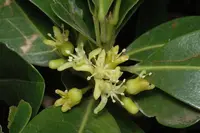
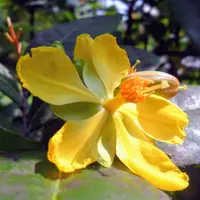
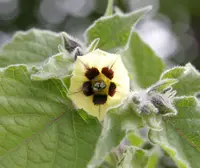
Mickey Mouse bush (Ochna serrulata) is a small evergreen shrub known for its bright yellow spring flowers and striking black berries held on red, petal-like sepals. The fruiting display gives the plant its common name, as the red and black contrast can resemble a cartoon face.

It naturally occurs in southern Africa, often in sunny, well-drained woodland edges and scrub. In gardens it tends to grow slowly and stays compact, which suits smaller spaces or container use.

The shrub prefers bright light, moderate moisture, and well-drained, slightly acidic soil. Its slow growth and need for consistent conditions mean it is moderately challenging to care for Mickey Mouse bush, especially in cooler climates.

Main Plant Requirements

Care Difficulty

Moderate Care

Light Preference

Partial Sun

Water Requirements

Moderate Water

Temperature Preference

Tropical / Frost Sensitive

Hardiness Zone

10–11

Soil Texture

Sandy, Loamy, Organic-rich

Soil pH

Acidic (5.5–6.5), Slightly acidic (6.5–7.0)

Soil Drainage

Well-drained

Fertilization

Minimal (feed rarely)

Get Personalized Care Plan

Scan your plant to receive care tips personalized for your specific plant

Available on iOS and Android

How to Care for the Mickey Mouse bush

Ochna serrulata prefers bright light with some direct sun but benefits from protection in the hottest hours.

  • Provide 4–6 hours of direct morning sun with light shade or filtered light after midday, especially in hot climates.
  • The Mickey Mouse bush tolerates light to partial shade but flowering and fruiting decrease when grown in less than 3–4 hours of sun.
  • In summer, protect from harsh afternoon sun to prevent leaf scorch; in winter, choose the sunniest spot available to compensate for shorter days.

This shrub prefers steady moisture in well-drained soil and does not tolerate prolonged saturation.

  • Outdoors in the ground, water when the top 3–5 cm of soil are dry, allowing the soil to dry slightly between deep soakings.
  • During active growth in spring and summer, increase watering frequency, but reduce it in fall and winter as growth slows and evaporation drops.
  • Signs of overwatering include yellowing leaves and soft stems, while crisp leaf edges and drooping foliage on dry soil point to underwatering in Ochna serrulata.

This species grows best in warm, frost-free conditions with mild seasonal variation.

  • Aim for daytime temperatures of 65–80°F (18–27°C) for strongest growth and flowering, with slightly cooler nights.
  • The plant tolerates brief dips to about 30–32°F (-1–0°C) but young shoots and buds are easily damaged by frost.
  • In very hot weather above 90°F (32°C), provide mulch and some afternoon shade to protect roots and foliage from heat stress.

This shrub handles a wide humidity range but grows best with moderate ambient moisture.

  • Aim for 40–60% humidity to support steady foliage and flower development in Mickey Mouse bush.
  • It tolerates typical heated or air-conditioned indoor air but prolonged very dry air can cause leaf-edge browning and bud drop.
  • If air stays below 30%, group plants, place the pot on a pebble tray with water, or run a nearby humidifier.

This species prefers a light, sharply drained mix that stays slightly moist but never waterlogged.

  • Use a sandy or loamy mix with plenty of structure, such as 40% composted bark, 30% coarse sand, and 30% perlite.
  • Ensure fast drainage; water should run through freely and the mix should not stay soggy longer than 1 day.
  • Keep pH slightly acidic to neutral, around 6.0–7.0, which supports nutrient availability for Ochna serrulata.
  • Improve aeration in heavy or clay-rich soils by raising the plant in a mound or bed and blending in coarse sand and fine gravel.

This shrub can grow successfully in containers when given stable, well-drained conditions.

  • Select a deep, slightly heavier pot so the woody, branching top growth does not tip the container in wind.
  • Choose a container material that matches your climate; terracotta dries faster in humid regions, while glazed pots retain moisture longer in hot, dry areas.
  • Leave a 2–3 cm gap below the rim to prevent overflow and ensure irrigation water moves evenly through the entire root zone.

Ochna serrulata responds well to light, steady feeding during the growing season.

  • Apply a balanced slow-release fertilizer (around 10-10-10) at half strength in early spring for Mickey Mouse bush.
  • Supplement with a light top-dressing of compost once in spring to support flowering and overall vigor.
  • During late spring–summer, use a diluted liquid balanced feed every 4–6 weeks if growth is weak.
  • Stop feeding in fall and winter to allow natural rest and prevent soft, frost-tender growth.

Pruning helps Ochna serrulata maintain a compact shape and promote flowering wood.

  • Carry out light structural pruning after main flowering finishes in late spring or early summer.
  • Remove dead, diseased, crossing, or inward-growing branches with clean, sharp hand pruners.
  • Shorten overly long shoots to encourage branching and a denser, bushier habit.
  • Avoid heavy cutting into old wood; instead, thin selectively to maintain air flow and natural form.

This shrub adapts well to garden planting and only needs repotting or transplanting when clearly root-bound or outgrowing its space.

  • Check for roots circling the pot base, pushing through drainage holes, or slowed growth as indicators of repotting need.
  • Transplant or repot in late winter–early spring, just before strong new growth begins, every 2–3 years if container-grown.
  • Move the plant into a pot 2–5 cm wider, teasing apart circling roots gently and trimming only damaged sections.
  • Water thoroughly after planting, then keep soil evenly moist and shaded for 1–2 weeks to limit transplant shock.

New plants are most often raised from seed, though semi-hardwood cuttings are also used.

  • Collect ripe black seeds, sow them fresh in spring in a well-drained, slightly acidic seed mix, and keep evenly moist.
  • Provide warm conditions around 70–75°F and bright, indirect light to support steady germination.
  • For semi-hardwood cuttings, take 8–10 cm tips in late summer, remove lower leaves, and dip bases in rooting hormone.
  • Insert cuttings into a sterile, free-draining medium and maintain high humidity with a vented cover until rooted.

This shrub is mildly frost-tender and benefits from simple winter protection in cooler regions.

  • In USDA zones warmer than 9, in-ground plants usually overwinter with minimal issues once established.
  • In colder areas, mulch the root zone 5–8 cm deep with bark or leaf mold to buffer temperature swings.
  • For container plants, move pots indoors or into a bright, frost-free space when temperatures approach 32°F.
  • Avoid heavy winter watering; keep soil just barely moist to reduce rot risk in cool conditions.

Care Tips

Shape With Pinching

Pinch back soft shoot tips in early spring and midsummer to keep the shrub dense, improve flowering wood, and prevent it from becoming leggy and bare at the base.

Fruit Display Management

After flowering, remove only damaged or overcrowded seed clusters so that the plant can channel energy into fewer, showier red fruits on glossy black seeds rather than a mass of weaker ones.

Root Zone Protection

Apply a 3–5 cm layer of inorganic mulch such as small gravel or coarse sand around the root zone to keep the soil cool and stable without encouraging the shallow roots to stay wet against the stem.

Container Renewal Cycle

For long-term container specimens, gently root-prune and refresh 1/3 of the potting mix every 2–3 years instead of frequently upsizing the pot, which helps control height and maintains a fine, fibrous root system.

Targeted Pest Monitoring

Inspect young shoots and flower buds every 1–2 weeks for scale insects and aphids, and if found, spot-treat with a cotton swab dipped in alcohol or horticultural oil rather than spraying the whole plant, which keeps beneficial insects present while caring for Mickey Mouse bush.

Common Pests and Diseases

Scale insects

This pest feeds on stems and leaf midribs, causing yellowing, leaf drop, and sticky honeydew on Ochna serrulata shrubs. Ants often accompany infestations as they farm the honeydew.

Solution

Physically remove scales by gently scraping or wiping stems with a cotton pad dipped in 70% isopropyl alcohol, then prune heavily infested twigs. For larger plants or recurring problems, use a horticultural oil spray, ensuring thorough coverage of stems and leaf undersides, and manage nearby ant activity to reduce re‑infestation.

Mealybugs

These insects appear as white, cottony clusters in leaf axils and along young stems, weakening growth and distorting new leaves. Honeydew and sooty mold may develop on heavily infested plants.

Solution

Wipe off visible mealybugs with a cotton swab dipped in alcohol and prune out badly infested shoots. For outdoor shrubs, apply insecticidal soap or horticultural oil in repeated treatments 7–10 days apart, making sure to reach concealed areas where colonies hide as part of practical Ochna serrulata plant care.

Leaf spot

This disease causes small brown or black spots on leaves, sometimes with yellow halos, leading to premature leaf drop in humid or crowded plantings. Symptoms include more severe spotting on older foliage and lower branches with poor air circulation.

Solution

Remove and dispose of affected leaves from the plant and ground, then thin dense growth to improve air movement and speed drying of foliage. If spotting continues in wet weather, apply a copper-based fungicide according to label directions, targeting both upper and lower leaf surfaces.

Sooty mold

This disease appears as a black, powdery coating on leaves and stems that grows on the sugary honeydew excreted by sap-sucking insects like scale and mealybugs. Symptoms include dull, dirty-looking foliage and reduced photosynthesis, but the fungus does not invade plant tissues.

Solution

First control the underlying sap-sucking insects, then gently wash affected leaves with lukewarm water and a small amount of mild dish soap to remove the fungal coating. Prune crowded interior branches to increase light and airflow, which helps foliage dry faster and discourages future buildup.

Spider mites

These insects are tiny sap-feeders that thrive in hot, dry conditions, causing fine stippling on leaves, bronzing, and occasional webbing on Ochna foliage. Severe infestations can lead to leaf drop and a generally dull appearance of the shrub.

Solution

Rinse foliage thoroughly with a strong but controlled stream of water, especially on leaf undersides, repeating several times over 1–2 weeks to dislodge mites. In persistent cases, use insecticidal soap or horticultural oil, applied in the early morning or late afternoon to avoid leaf burn, and increase ambient humidity around the plant where possible.

Interesting Facts

Unusual fruit display

After flowering, the plant develops bright red, cup-like sepals that hold several shiny black drupes, creating a strong color contrast that resembles a cartoon face and attracts birds. This striking fruiting stage lasts longer than the brief yellow flowering period and is often more visually prominent in the landscape.

Bird-dispersed invader

In South Africa it is native, but in places like eastern Australia and Hawaii it has become an invasive shrub because birds spread its seeds from gardens into native bushland. The plant then forms dense thickets that shade out local understory species and are difficult to remove due to its deep root system.

Chemically tough foliage

The leaves contain phenolic compounds and have tough, serrated margins, which make them unpalatable to many generalist herbivores. This chemical and structural defense helps the shrub persist in areas with browsing pressure and contributes to its weedy potential in some climates.

Botan icon

Did you know?

In its native South African range, this species naturally occurs on forest margins and rocky slopes, often acting as a pioneer shrub in disturbed sites where it can establish in poor, sandy soils and then provide shade and perches that assist the later return of other plant and animal species.

FAQs about Mickey Mouse bush

Lack of flowers often comes from insufficient light, heavy pruning at the wrong time, or nutrient imbalance. Avoid cutting new wood before flowering, use a balanced fertilizer, and ensure several months of bright, warm conditions.

Grow Healthy Plants with Botan Care

Keep your plants happy and healthy with plant identification, disease detection, and easy care guidance.

Botan plant care app — identify plants on mobile

Explore More Plants