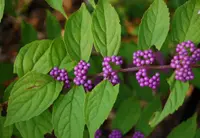
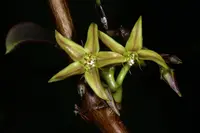
Beach Acronychia Care (Acronychia imperforata)

Also known as: logan apple
Beach Acronychia

About Beach Acronychia

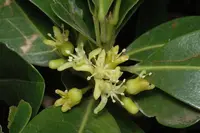
Beach acronychia (Acronychia imperforata) is a coastal evergreen shrub to small tree, valued for its dense foliage and small, creamy-white flowers. It often forms a rounded, bushy habit and carries glossy, leathery leaves that give it a tidy, ornamental look.

This species is native to coastal rainforests and beach scrubs of eastern Australia, where it tolerates salt-laden winds and sandy soils. Once established, it is relatively resilient, which makes it appealing for low-maintenance gardens.

Gardeners who want to care for Beach Acronychia should note that it prefers mild climates, regular moisture without waterlogging, and a well-drained, slightly fertile soil with good light exposure.

Main Plant Requirements

Care Difficulty

Moderate Care

Light Preference

Full Sun

Water Requirements

Moderate Water

Temperature Preference

Tropical / Frost Sensitive

Hardiness Zone

10–11

Soil Texture

Sandy, Loamy, Organic-rich

Soil pH

Slightly acidic (6.5–7.0), Neutral (7.0)

Soil Drainage

Moist but well-drained

Fertilization

Minimal (feed rarely)

Get Personalized Care Plan

Scan your plant to receive care tips personalized for your specific plant

Available on iOS and Android

How to Care for the Beach Acronychia

This coastal shrub prefers bright, gentle sun similar to its natural dune and headland habitats.

  • Provide 4–6 hours of sun daily, with morning sun and light afternoon shade ideal, especially for young Beach Acronychia plants.
  • Tolerates light to moderate partial shade, but dense shade leads to sparse growth, fewer flowers, and stretched, weak stems.
  • In hot climates, protect from harsh afternoon sun to prevent leaf scorch; adjust siting seasonally so winter sun is maximized and intense midsummer sun is filtered.

This species prefers evenly moist, well-drained soil rather than constant wetness or long dry spells.

  • Water when the top 3–5 cm of soil feels dry, then soak the root zone thoroughly, allowing excess to drain away.
  • Use free-draining soil or sandy loam; persistent puddling, sour smell, or yellowing soft leaves suggest overwatering and poor drainage.
  • In hot, windy periods, expect faster drying and more frequent watering, while in cooler or rainy seasons Acronychia imperforata may need little or no supplemental water.

This plant thrives in mild to warm coastal and subtropical conditions with minimal frost exposure.

  • Optimal growth occurs around 65–82°F (18–28°C), supporting steady foliage development and flowering.
  • Tolerates brief dips to about 30–32°F (-1–0°C), but repeated frosts can damage young tips and new growth.
  • Handles summer heat up to about 95°F (35°C) if soil moisture is adequate and roots are mulched; shelter from cold winds and frost pockets in cooler regions.

This coastal shrub handles a range of indoor humidity but prefers slightly moist air for best foliage quality.

  • Aim for 40–60% humidity; it copes with brief dips lower but sustained very dry air can dull and crisp leaf edges.
  • Watch for curled tips, brown margins, and slow new growth as signs of humidity stress in Beach Acronychia.
  • Increase humidity with a nearby open tray of water and stones or by grouping plants, rather than misting foliage directly.

Acronychia imperforata prefers free-draining, sandy to loamy soil that mimics coastal conditions.

  • Use a mix of 40% sandy loam, 30% compost, and 30% coarse material such as bark chips or perlite for strong root aeration.
  • Ensure rapid drainage; water should pass through within seconds and the top 2–3 cm should dry between waterings.
  • Keep pH slightly acidic to neutral, around 6.0–7.0, avoiding strongly alkaline substrates that can limit nutrient uptake.
  • Avoid heavy clay, compacted, or waterlogged soil; if native soil is dense, raise the planting area and blend in coarse sand and fine bark.

This species adapts well to container growing when provided with stable, well-drained conditions.

  • Choose a deep, weighty pot to anchor the shrub’s woody framework and prevent wind tipping as it gains height.
  • Select thicker-walled terracotta or concrete containers outdoors to moderate root temperature swings and reduce moisture extremes.
  • Elevate the pot slightly on feet or blocks so drainage holes stay clear and excess water escapes quickly after heavy rain or irrigation.

Acronychia imperforata benefits from moderate feeding when grown in gardens or containers, especially on poor soils.

  • Apply a balanced slow-release fertilizer (for example 10-10-10) at half label rate in early spring to support new growth.
  • Top-dress with compost or well-rotted organic matter once a year to improve soil structure and microbial activity.
  • During the main growing season, supplement with a light application of balanced liquid feed every 4–6 weeks if growth appears weak.
  • In late fall and winter, stop feeding to avoid forcing soft growth that is more vulnerable to stress when caring for Beach Acronychia.

Pruning Acronychia imperforata is mainly used to maintain shape, remove damaged growth, and keep the canopy healthy.

  • Carry out structural pruning in late winter or early spring before strong new growth begins.
  • Remove dead, diseased, crossing, or crowded branches, cutting back to a healthy lateral branch or the main stem.
  • Use clean, sharp hand pruners or loppers to make smooth cuts that heal more efficiently and reduce infection risk.
  • Light tip-pruning of young shoots after flowering can encourage a denser habit while preserving the natural form.

This coastal shrub-tree is more often planted in the ground than grown in pots, so focus on careful transplanting rather than frequent repotting.

  • Transplant young plants in late winter or early spring, when soil is workable and conditions are mild.
  • Look for roots circling the container, slow growth, or quick drying soil as signs a potted plant needs a larger container.
  • Shift to a pot or planting hole 1–2 sizes larger, using well-drained soil and positioning at the same depth as before.
  • Water thoroughly after planting, then keep soil evenly moist for several weeks to reduce transplant shock and help roots establish.

New Acronychia imperforata plants are usually raised from semi-hardwood cuttings or seeds under warm, stable conditions.

  • Take semi-hardwood cuttings in late summer, 8–12 cm long, and remove lower leaves to reduce water loss.
  • Dip cut ends in a rooting hormone and place in a free-draining, slightly moist mix under high humidity and bright, indirect light.
  • Sow fresh seed in spring in a sandy, well-drained mix, barely covering the seed and keeping it evenly moist.
  • Maintain temperatures around 70–77°F and good air circulation to encourage rooting or germination while limiting fungal problems.

This plant is suited to mild, frost-free climates and needs winter attention only where temperatures drop below its comfort range.

  • In regions with light frost, add a 5–8 cm mulch layer around the root zone, keeping it clear of the trunk.
  • For young plants, use breathable frost cloth over the canopy on forecast freeze nights to limit leaf and twig damage.
  • Move container-grown specimens into a bright, sheltered spot indoors or on a covered porch when temperatures approach 32°F.

Care Tips

Salt-laden wind

In coastal sites, allow the shrub to act as a salt and wind buffer for more sensitive plants by placing it on the seaward side, but check and hose foliage lightly with fresh water after extreme salt spray events to prevent leaf burn.

Mulch for root cooling

Apply a 5–8 cm layer of coarse organic mulch around, but not touching, the trunk to keep shallow feeder roots cool, conserve moisture, and reduce soil surface compaction in hot, sandy locations.

Formative framework pruning

During the first 2–3 years, selectively tip-prune strong vertical shoots after flowering to encourage a sturdy multi-stem framework that resists storm damage and supports denser foliage.

Wildlife-friendly spacing

When planting as a hedge or screen, space plants 1–1.5 m apart to create a continuous canopy that provides shelter and food for birds without restricting air movement through the foliage.

Low-input pest monitoring

Inspect new flushes of growth every 2–3 weeks for scale insects or leaf-chewing pests, and spot-treat early with horticultural oil or hand removal to maintain healthy foliage while keeping chemical inputs low when growing Beach Acronychia.

Common Pests and Diseases

Citrus leafminer

This pest tunnels inside young leaves, causing silvery, winding trails and distorted new growth on this rainforest shrub. Symptoms include reduced vigor and a ragged appearance in fresh flushes of foliage.

Solution

Prune off and dispose of heavily damaged young shoots, then encourage strong regrowth with steady watering and balanced fertilizer. For ongoing Acronychia imperforata plant care in leafminer-prone regions, protect new flushes with horticultural oil sprays applied to both leaf surfaces in the evening, avoiding high-heat periods and beneficial insects as much as possible.

Scale insects

These insects attach to stems and leaf undersides as small, dome-shaped bumps and feed on sap, sometimes leading to yellowing leaves and sticky honeydew that can attract sooty mold. Infestations may be more common on sheltered, low-airflow plants or those under stress.

Solution

Wipe or gently scrape off individual scales by hand or with a cotton pad dipped in isopropyl alcohol, then follow with repeated applications of horticultural oil or insecticidal soap, focusing on stems and leaf undersides. Improve plant vigor with appropriate light and watering, and prune out heavily infested twigs to break the life cycle.

Myrtle rust

This disease is caused by a rust fungus that affects many myrtaceous plants, producing bright yellow or orange powdery pustules on young leaves, shoots, and sometimes stems. Symptoms include leaf distortion, premature leaf drop, and in severe cases dieback of new growth.

Solution

Promptly remove and bag infected leaves and shoot tips, avoiding shaking spores onto healthy parts of the plant, and do not compost diseased material. Reduce overhead watering, increase spacing and airflow, and in high-risk areas use a registered systemic fungicide labeled for rust on myrtaceous plants, following local regulations and label directions carefully.

Sooty mold

This disease develops as a black, powdery coating on leaves and stems that grow on the sugary honeydew excreted by sap-sucking insects such as scale or aphids. Symptoms include dull, blackened foliage and reduced photosynthesis, though the fungus usually does not penetrate plant tissues directly.

Solution

Address the underlying honeydew-producing insects first with methods such as horticultural oil or insecticidal soap, then gently wash affected foliage with a soft cloth or spray of lukewarm water to remove the mold. Improve light exposure and airflow around the plant to dry leaf surfaces faster and reduce future fungal buildup.

Interesting Facts

Coastal rainforest specialist

This species naturally occurs in lowland coastal rainforests and beach scrubs of eastern Australia, often growing close to the sea where many other woody species struggle with salt-laden winds.

Bird-dispersed citrus relative

It belongs to the citrus family (Rutaceae) and produces fleshy, yellowish fruits that are eaten by birds, which then disperse the seeds through their droppings.

Lemon-scented foliage

When crushed, the leaves release a noticeable citrus or lemon-like scent due to aromatic oils typical of many Rutaceae members.

Botan icon

Did you know?

In the wild, this shrub or small tree often helps stabilize sandy coastal soils, with its root system contributing to dune and foredune integrity in exposed shoreline environments.

FAQs about Beach Acronychia

Growth is moderate rather than rapid. In suitable coastal or subtropical conditions, it may add about 20–40 cm of height per year, slowing as it matures into a dense shrub or small tree.

Grow Healthy Plants with Botan Care

Keep your plants happy and healthy with plant identification, disease detection, and easy care guidance.

Botan plant care app — identify plants on mobile

Explore More Plants