Baja Spurge Care (Euphorbia xanti)

Baja Spurge

About Baja Spurge

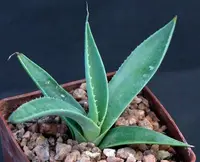
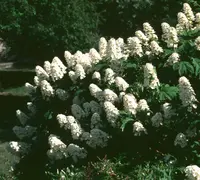
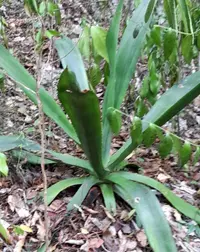
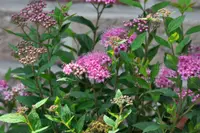
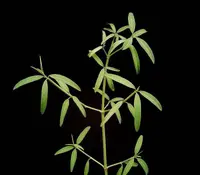
Baja spurge, Euphorbia xanti, is a shrubby succulent native to arid regions of Baja California and northwestern Mexico. It forms many slender, woody stems with small leaves and clusters of delicate, often fragrant white to pink bracts. The plant typically grows as an open, airy shrub that can become quite dense with age. Its drought tolerance and low foliage mass make it suitable for dry gardens and containers in warm climates. Once established, it prefers bright light, well-drained soil, and only occasional watering. These traits make it relatively simple to care for Baja Spurge in suitable conditions, though cold and excess moisture can cause problems.

Main Plant Requirements

Care Difficulty

Moderate Care

Light Preference

Full Sun

Water Requirements

Low Water

Temperature Preference

Warm Climate

Hardiness Zone

9–11

Soil Texture

Sandy, Loamy, Rocky

Soil pH

Slightly acidic (6.5–7.0), Neutral (7.0)

Soil Drainage

Well-drained

Fertilization

Minimal (feed rarely)

Get Personalized Care Plan

Scan your plant to receive care tips personalized for your specific plant

Available on iOS and Android

How to Care for the Baja Spurge

This drought-tolerant shrub prefers bright sun but benefits from some protection in very hot climates.

  • Provide 6–8 hours of direct sun daily, ideally with morning sun and light afternoon shade, especially in hot inland areas.
  • Plant Baja Spurge where it receives full sun in winter to support flowering, but allow dappled or filtered light under high summer heat.
  • Watch foliage for stress: pale, scorched, or crispy leaves indicate too much intense afternoon sun, while lanky, stretched stems signal insufficient light.

This species is a drought-adapted succulent shrub that needs infrequent but deep watering once established.

  • Outdoors in the ground, water only when the top 5–8 cm of soil are completely dry; in hot, dry periods this may mean every 10–21 days, less often in cool seasons.
  • Use sharply drained, gritty soil so water runs through quickly; avoid low spots where water pools around Euphorbia xanti roots.
  • Signs of overwatering include yellowing, mushy stems, and root rot smell; shriveling stems and prolonged leaf drop indicate the plant has stayed dry too long.

This plant prefers warm, arid conditions and does poorly in cold, wet climates.

  • Aim for active growth temperatures of 65–85°F (18–29°C), with the best performance in dry air and well-drained soil.
  • Protect from frost; it is damaged around 28–30°F (-2 to -1°C) and should be covered or grown in very sheltered spots where winter lows approach freezing.
  • Tolerates brief heat up to 100–105°F (38–41°C) if soil drains well, but reduce watering in cool spells and avoid sudden exposure to cold, wet conditions.

Euphorbia xanti handles low humidity well and rarely needs special moisture in the air.

  • Target 30–50% humidity, similar to most heated indoor homes, without extra devices.
  • Dry air is usually tolerated, but prolonged very dry, hot drafts can cause leaf tip browning and early leaf drop.
  • Increase humidity slightly only if leaves shrivel by grouping plants or placing the pot near, not on, a pebble tray with water.

This species prefers a fast-draining, mineral-rich mix that prevents waterlogging around the roots.

  • Use a gritty mix such as 50–70% cactus mix blended with coarse sand or small pumice to keep the structure open.
  • Aim for slightly acidic to neutral pH around 6.0–7.0, which supports nutrient availability without stressing roots.
  • Add inorganic components like perlite, pumice, or fine gravel to increase aeration and reduce the risk of root rot in Euphorbia xanti.
  • Avoid dense, peat-heavy or clayey soils that stay wet for more than 1–2 days after watering, as this encourages stem and root decay.

This species grows well in containers when the pot supports its shrubby, branching habit.

  • Choose a wide, relatively heavy pot to counterbalance the top growth and reduce the risk of tipping in wind or on balconies.
  • Select unglazed terracotta if extra evaporation is needed in humid or rainy climates to keep the root zone drier.
  • Ensure large, unobstructed drainage holes so water exits quickly, preventing soggy conditions at the bottom of the container.

This drought-tolerant shrub needs only light feeding to maintain healthy flowering and growth.

  • Apply a balanced liquid fertilizer at 1/2 strength every 4–6 weeks in spring–early summer for Baja Spurge in containers.
  • Use a slow-release, low-rate granule for in-ground plants once in spring, scratching it lightly into the soil surface.
  • Avoid high-nitrogen products that encourage weak, lush growth at the expense of flowers.
  • Stop feeding in late summer and do not fertilize during winter dormancy.

Thoughtful pruning keeps Euphorbia xanti compact, floriferous, and safe to handle.

  • Prune in late winter or just after main flowering flush to avoid removing developing buds.
  • Remove dead, damaged, or crossing stems with clean, sharp bypass pruners or loppers.
  • Thin crowded interior stems to improve light and air, which supports healthier new growth.
  • Cut stems back to a node, shaping the shrub lightly while wearing gloves and eye protection due to irritating sap.

This species is usually grown in the ground, but container plants or young shrubs benefit from occasional transplanting.

  • Look for roots circling the pot drainage holes, soil drying very fast, or stalled growth as signs it needs more space.
  • Plan to repot or transplant every 2–3 years in late winter–early spring, just before active growth.
  • Hydrate the plant a day before moving, then slide it out gently, loosening only the outer root layer to reduce shock.
  • Replant into a slightly larger pot or new site with fast-draining soil, then water once and allow the root zone to dry moderately between waterings.

New plants are most often produced from semi-hardwood stem cuttings taken in warm seasons.

  • Take 7–10 cm cuttings in late spring–summer, letting the milky sap dry and callus for several hours before planting.
  • Use a gritty, fast-draining mix and keep it barely moist, providing bright light and warm temperatures around 70–80°F for rooting.
  • Optionally dip the cut end in rooting hormone to improve success and reduce rot risk.
  • Seeds can germinate in warm, well-drained soil but are slower and less predictable than cuttings.

This shrub tolerates light frost but benefits from simple winter precautions in colder areas.

  • In mild climates down to about 25°F, in-ground plants usually overwinter without major damage.
  • Apply a 5–8 cm layer of dry mulch around, but not touching, the base to buffer root temperatures.
  • Move container plants under cover or indoors to a bright, cool, frost-free spot before hard freezes.
  • Avoid winter overwatering; keep soil on the dry side to reduce cold-related root rot.

Care Tips

Safe handling routine

Wear gloves and long sleeves when pruning or repotting, since the milky sap is irritating, and keep tools and surfaces clean so sap does not contact skin, eyes, or pets.

Support arching stems

Install low, discreet stakes or a short wire hoop around the base to support long, flower-laden stems so they do not snap in wind or under their own weight.

Encourage branching

Pinch or lightly tip-prune young, flexible stems after flowering to encourage a denser framework that produces more blooms the following season.

Controlled container culture

Use a wide, heavy container with large drainage holes and a gritty topdressing layer to stabilize the plant and keep the root zone airy when growing Baja Spurge in pots outdoors.

Winter rain protection

In regions with cool, wet winters, place a simple clear cover or move containers under a roof overhang so the root zone stays relatively dry and less prone to rot during dormancy.

Common Pests and Diseases

Mealybugs

This pest often hides in stem joints and along young shoots, sucking sap and causing stunted growth and distorted new leaves.

Solution

Isolate the plant, then dab visible insects with cotton swabs dipped in 70% isopropyl alcohol and gently wipe affected areas; repeat weekly until gone and increase airflow around the plant. For heavier infestations, use a labeled systemic insecticide for succulents, following directions carefully and avoiding contact with the milky sap.

Aphids

These insects cluster on tender flower stalks and new growth, feeding on sap and causing curling, yellowing, and sticky honeydew deposits.

Solution

Spray stems and flower clusters with a strong stream of water to dislodge colonies, then treat remaining insects with insecticidal soap or a light horticultural oil, applied in the early morning or late afternoon. Repeat every 5–7 days until no new aphids appear and avoid spraying open flowers when beneficial insects are active.

Spider mites

This pest thrives in hot, dry conditions and causes fine stippling, dull foliage, and delicate webbing between stems and leaves.

Solution

Rinse the plant thoroughly with water, including the undersides of leaves and stems, then raise humidity slightly and improve air movement. Use insecticidal soap or a miticide labeled for ornamental succulents, repeating applications as directed until new growth appears clean.

Fungal stem canker

This disease enters through wounds or pruning cuts on succulent stems, leading to sunken, dark lesions that can girdle and kill sections of the plant.

Solution

Prune out affected stems well below the diseased tissue with sterilized tools and discard the debris, then keep cuts small and clean and avoid overhead watering. Improve drainage and airflow, and in wet climates consider a preventive fungicide spray labeled for ornamental shrubs after pruning.

Bacterial leaf and stem rot

Symptoms include soft, water-soaked spots on stems or leaves that quickly turn brown, collapse, and may ooze, often starting where mechanical damage or frost injury occurred.

Solution

Remove and discard all affected tissue immediately, cutting back into firm, healthy material and disinfecting tools between cuts. Reduce watering, avoid splashing water onto stems, and keep the plant in a warm, well-ventilated location to limit spread; severely affected plants are best replaced rather than salvaged.

Interesting Facts

Desert fog specialist

This species naturally occurs in Baja California where it can capture moisture from coastal fogs and light dew, allowing it to persist on rocky, very dry slopes with minimal rainfall.

Long-lived spurges

Individual shrubs can become woody at the base and form dense thickets over time, creating semi-permanent structure and shelter for small animals and insects in arid coastal scrub habitats.

Nectar-rich winter blooms

Its small, starry white flowers appear in late winter to spring and produce abundant nectar that attracts large numbers of native bees, butterflies, and other pollinators during a relatively lean flowering season in its home range.

Botan icon

Did you know?

Euphorbia xanti is sometimes used as a hardy, xeric rootstock for grafting more tender ornamental Euphorbia species in arid collections, taking advantage of its strong drought tolerance and robust root system.

FAQs about Baja Spurge

Lack of flowers often comes from insufficient light, excess nitrogen fertilizer, or pruning at the wrong time, which removes flower buds. Overly young plants and recent transplants may also pause flowering until they establish strong roots.

Grow Healthy Plants with Botan Care

Keep your plants happy and healthy with plant identification, disease detection, and easy care guidance.

Botan plant care app — identify plants on mobile

Explore More Plants