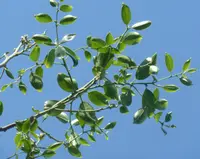
Oakleaf Hydrangea Care (Hydrangea quercifolia Snow Queen)

Also known as: Hydrangea

About Oakleaf Hydrangea

Hydrangea quercifolia Snow Queen is a deciduous flowering shrub known for its large, upright white flower panicles that age to soft pink and its oak-shaped foliage. It forms a rounded, bushy plant that brings strong structure and seasonal interest to mixed borders and woodland-style gardens.

This cultivar is native in origin to the southeastern United States, where the species hydrangea quercifolia grows along woodland edges and stream banks. Its bold leaves turn shades of red and burgundy in autumn, adding ornamental value after flowering.

Hydrangea quercifolia Snow Queen is generally considered a reliable, medium-care shrub if planted in suitable conditions. Partial shade, evenly moist soil, and good drainage are the main points to remember when learning how to care for Oakleaf Hydrangea.

Main Plant Requirements

Care Difficulty

Moderate Care

Light Preference

Partial Shade

Water Requirements

Regular Water

Temperature Preference

Cold Hardy

Hardiness Zone

5–9

Soil Texture

Loamy, Clay, Organic-rich

Soil pH

Acidic (5.5–6.5), Slightly acidic (6.5–7.0)

Soil Drainage

Moist but well-drained

Fertilization

Minimal (feed rarely)

Get Personalized Care Plan

Scan your plant to receive care tips personalized for your specific plant

Available on iOS and Android

How to Care for the Oakleaf Hydrangea

This shrub prefers bright conditions with some protection from harsh midday sun for best flowering and foliage color.

  • Provide 4–6 hours of direct morning sun with light afternoon shade; dappled light all day also works well in hotter regions.
  • In cooler climates, it tolerates more direct sun, but watch Oakleaf Hydrangea leaves for scorching or crisp brown edges as a sign of too much exposure.
  • If stems stretch, bloom count drops, or foliage thins, the site is likely too shaded; move or prune nearby plants to increase light.

Hydrangea quercifolia Snow Queen prefers evenly moist but not saturated soil, especially during active growth and flowering.

  • Water when the top 3–5 cm of soil feels dry, soaking the root zone deeply rather than giving frequent light splashes.
  • Use well-drained soil; wilting with wet soil, yellowing lower leaves, or a sour smell indicate overwatering and poor drainage.
  • In summer heat, monitor more often and mulch 5–8 cm deep to reduce evaporation; in cool, rainy seasons, extend the interval between waterings.

This deciduous shrub handles a wide outdoor temperature range but grows and flowers best within moderate conditions.

  • Active growth is strongest around 65–80°F (18–27°C); flowering and new foliage develop most reliably within this range.
  • Mature plants are hardy to about -10°F (-23°C) when well established, but young shrubs benefit from mulch around the root zone in winter.
  • In summer, brief spikes to 90–95°F (32–35°C) are tolerated if soil moisture is maintained; prolonged extreme heat can cause leaf scorch and reduced blooms.

This shrub prefers moderate outdoor humidity and usually adapts well in garden settings.

  • Aim for ambient humidity around 40–60% to support healthy foliage and flower development.
  • Dry, hot winds can crisp leaf edges and increase wilting, even when soil is moist; provide wind protection if possible.
  • Mulch soil 5–8 cm deep to reduce evaporation and buffer short dry-air spells for Oakleaf Hydrangea.

This hydrangea performs best in moist, well-aerated, organically enriched ground that drains freely but does not dry out quickly.

  • Use a loamy structure with 30–50% organic matter such as compost or leaf mold to hold moisture without becoming sticky.
  • Ensure drainage by incorporating coarse materials like pine bark fines and a small portion of perlite, especially in heavier native soils.
  • Target a slightly acidic pH of 5.5–6.5; mix in peat moss or composted pine bark if soil tests alkaline to improve nutrient uptake.
  • Avoid compacted clay, waterlogged sites, or very sandy soil without amendments, since roots need constant moisture with air spaces.

This species can grow successfully in containers when given a stable, well-drained setup suited to its woody, spreading habit.

  • Choose a wide, heavy pot to counterbalance the shrub’s top-heavy canopy and reduce tipping in wind or on balconies.
  • Select thicker-walled terracotta or composite containers in hot climates to moderate root-zone temperature and moisture swings.
  • Raise the container on pot feet or bricks so drainage holes stay clear and excess water exits quickly after rain or watering.

This shrub benefits from modest, steady nutrition rather than heavy feeding.

  • Apply a balanced slow-release fertilizer (around 10-10-10) once in early spring as new growth begins.
  • Supplement with a light top-dressing of compost around the drip line to improve soil structure and moisture retention.
  • Use granular or liquid feeds at 1/2 labeled strength to avoid excess vegetative growth over flowers when caring for Oakleaf Hydrangea.
  • Avoid fertilizing in late fall or winter; stop feeding by late summer so growth can harden before freezing temperatures.

Pruning Hydrangea quercifolia Snow Queen focuses on light shaping and removal of problem wood.

  • Time pruning for late winter to very early spring, before buds swell, in climates with harsh winters; in mild regions, prune just after flowering if reshaping is needed.
  • Cut out dead, diseased, or damaged stems at the base using clean, sharp bypass pruners.
  • Thin a few of the oldest, most crowded stems to ground level to open the center and encourage vigorous new growth.
  • Limit tip cutting on young stems, since flower buds form on older wood, and over-pruning can reduce the next season’s bloom.

This hydrangea is usually grown in the ground, with transplanting done infrequently and thoughtfully.

  • Transplant in early spring or early fall when temperatures are mild and soil is workable, avoiding hot, dry periods.
  • Look for signs such as slow growth, roots circling a nursery container, or the shrub outgrowing its space before moving it.
  • Prepare the new site with well-drained, organic-rich soil and dig a hole 2–3 times wider than the root ball but no deeper.
  • Minimize root stress by keeping the root ball intact, watering thoroughly after planting, and mulching to maintain even moisture.

Hydrangea quercifolia Snow Queen is most often propagated vegetatively to maintain cultivar traits.

  • Use softwood cuttings in late spring to early summer, taking 10–15 cm non-flowering shoots and removing lower leaves.
  • Insert cuttings into a moist, well-draining medium such as perlite and peat, and maintain high humidity with bright, indirect light.
  • Encourage rooting by keeping temperatures around 65–75°F and avoiding waterlogging; roots usually form in several weeks.
  • Ground layering in spring is another option: bend a low stem to the soil, wound lightly, pin in place, cover with soil, and sever once rooted.

This shrub is generally cold hardy but benefits from simple winter care in colder climates.

  • In zones near its hardiness limit, add a 5–8 cm mulch layer over the root zone in late fall, keeping mulch slightly away from stems.
  • Avoid heavy pruning in late fall, since buds on older wood can be damaged by winter exposure.
  • For container-grown plants, move pots into a sheltered, unheated area like a garage or against a protected wall to reduce root freeze-thaw stress.

Care Tips

Early framework training

In the first 2–3 years, lightly stake and tie young stems at a 45–60° angle to a central stake to create a balanced, open framework that supports heavy flower panicles without splitting later.


Mulch for root protection

Maintain a 5–8 cm layer of shredded bark or leaf mold over the root zone, keeping it 5 cm away from stems, to buffer soil temperature, reduce weed competition, and protect shallow roots from summer heat and winter heave.

Snow load management

In regions with wet, heavy snow, gently shake or brush snow off flower panicles and outer branches after storms to reduce the risk of limb breakage on this large-flowered shrub.

Targeted pest scouting

From late spring, check the undersides of leaves and along midribs every 1–2 weeks for aphids, scale crawlers, and spider mites, and wash small infestations off with a firm jet of water before resorting to treatments.

Layering for propagation

In late spring, bend a low, flexible branch to the ground, slightly wound the underside, pin it into shallow soil, and keep it evenly moist so that after 1–2 seasons you can detach a well-rooted new plant to expand a planting when growing Oakleaf Hydrangea.

Common Pests and Diseases

Leaf spot

This disease causes irregular brown or purple spots on leaves, often enlarging and leading to yellowing and early leaf drop in humid weather.

Solution

Remove and discard heavily spotted leaves, avoid overhead watering, and improve airflow around the shrub with proper spacing and pruning. In recurring or severe cases, apply a copper or chlorothalonil-based fungicide labeled for hydrangeas according to Hydrangea quercifolia Snow Queen care instructions.

Powdery mildew

This disease appears as a white or gray powdery coating on upper or lower leaf surfaces, sometimes causing leaf curling and reduced vigor in shaded or poorly ventilated sites.

Solution

Increase sun exposure to light or dappled shade, thin crowded stems to improve air movement, and avoid wetting foliage late in the day. If the problem persists, treat with a sulfur or potassium bicarbonate fungicide labeled for powdery mildew on ornamentals.

Aphids

These insects cluster on tender shoots and leaf undersides, sucking sap and causing curling, distortion, and sticky honeydew that can attract sooty mold.

Solution

Spray infested shoots with a strong stream of water to dislodge colonies, then monitor new growth regularly. For ongoing infestations, use insecticidal soap or a light horticultural oil, thoroughly coating leaf undersides and repeating as the label directs.

Scale insects

This pest appears as small, tan to brown bumps on stems or leaf veins, weakening plants over time through sap feeding and sometimes causing yellowing or dieback of branches.

Solution

Prune out and destroy heavily infested stems, and gently scrape off accessible scales with a fingernail or soft brush. During the active crawler stage, apply horticultural oil to thoroughly coat stems and leaves, repeating as needed according to label directions.

Botrytis blight

This disease causes browning and blight of flower clusters and nearby leaves, especially in cool, damp conditions, often with gray fuzzy mold on affected tissue.

Solution

Promptly remove and discard spent or blighted flower heads and any affected foliage, and keep the base of the plant free of debris. Improve air circulation, avoid overhead irrigation, and if necessary use a fungicide labeled for botrytis on ornamentals during extended wet periods.

Interesting Facts

Oak-like foliage trait

The leaves of Hydrangea quercifolia 'Snow Queen' are deeply lobed and resemble oak leaves, a trait that distinguishes it from most other hydrangea species and gives the species its name quercifolia, meaning oak-leaved.

Panicle flower structure

This cultivar produces upright, cone-shaped panicles of mostly sterile florets that create a showy display, while smaller fertile flowers closer to the stem provide nectar and pollen for insects.

Multi-season ornamental value

Snow Queen is valued for three-season interest: large white flower clusters that age to pink, burgundy to red fall foliage color, and exfoliating bark that becomes visible on older stems in winter.

Botan icon

Did you know?

Snow Queen was selected as a specific cultivar of Hydrangea quercifolia for its especially sturdy, upright flower panicles that resist flopping more effectively than those of many older oakleaf hydrangea selections.

FAQs about Oakleaf Hydrangea

Poor flowering usually comes from pruning at the wrong time, heavy shade, or stress from drought or root disturbance. This species blooms on old wood, so late fall or spring pruning removes flower buds and reduces display.

Grow Healthy Plants with Botan Care

Keep your plants happy and healthy with plant identification, disease detection, and easy care guidance.

Botan plant care app — identify plants on mobile

Explore More Plants