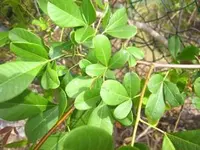
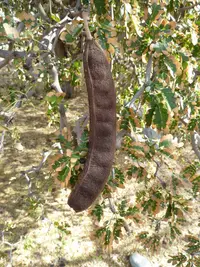
Diamond Pittosporum. Care (Auranticarpa rhombifolia)

Diamond Pittosporum.

About Diamond Pittosporum.

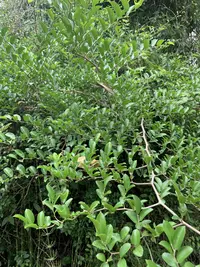
Diamond pittosporum, Auranticarpa rhombifolia, is an evergreen shrub or small tree valued for its dense foliage and tidy, upright form. It is often used for hedges, screens, and small landscape trees in mild climates.

The plant bears glossy green, diamond-shaped leaves and clusters of white flowers that are followed by bright orange berries, giving it strong ornamental interest. It is native to eastern Australia, where it grows in coastal and subtropical forests.

This species is generally robust and adaptable, coping well with pruning and urban conditions, which makes it relatively easy to manage. Understanding how to care for Diamond Pittosporum. starts with selecting a well-drained soil and a bright position with moderate moisture.

Main Plant Requirements

Care Difficulty

Easy Care

Light Preference

Full Sun

Water Requirements

Moderate Water

Temperature Preference

Warm Climate

Hardiness Zone

9–11

Soil Texture

Sandy, Loamy, Clay

Soil pH

Slightly acidic (6.5–7.0), Neutral (7.0)

Soil Drainage

Well-drained

Fertilization

Minimal (feed rarely)

Get Personalized Care Plan

Scan your plant to receive care tips personalized for your specific plant

Available on iOS and Android

How to Care for the Diamond Pittosporum.

Auranticarpa rhombifolia grows best with bright outdoor light and modest shade protection.

  • Provide 4–6 hours of direct morning sun with light shade or filtered light in the hotter afternoon, especially in USDA zones 9–11 where Diamond Pittosporum. is commonly planted as a hedge.
  • Tolerates partial shade, but growth becomes looser and flowering may reduce if it receives less than about 3–4 hours of direct or bright, open light daily.
  • In hot summers, monitor for leaf scorch on exposed west-facing sites and use nearby trees, shade cloth, or buildings to soften intense afternoon sun.

Auranticarpa rhombifolia prefers evenly moist but not waterlogged soil once established outdoors.

  • Before watering, allow the top 3–5 cm of soil to dry; the surface should feel dry, but deeper soil still slightly cool and damp to the touch.
  • Increase watering during hot, dry periods when leaves begin to lose gloss or slightly droop, and reduce in cool or rainy seasons to avoid root rot.
  • Ensure well-drained soil; symptoms of overwatering include yellowing leaves and soft stems, while crisp, browning leaf edges usually indicate underwatering.

This shrub prefers mild, frost-free climates and handles typical warm-temperate outdoor conditions.

  • Optimal growth occurs around 65–80°F (18–27°C), with steady temperatures supporting dense foliage and reliable flowering.
  • Tolerates brief drops to about 28–30°F (-2 to -1°C), but repeated or harder frosts can damage young shoots and may kill unprotected new plants.
  • Handles summer heat up to about 90–95°F (32–35°C) if soil moisture is maintained and roots are mulched to buffer temperature swings.

This species handles a wide humidity range and rarely needs special humidity management outdoors.

Auranticarpa rhombifolia prefers moderately fertile, well-drained soil that stays evenly moist but not waterlogged.

  • Use a loamy or sandy loam structure with plenty of organic matter to support root development and moisture balance.
  • Aim for slightly acidic to neutral pH around 6.0–7.0, avoiding strongly alkaline or salty conditions that impair nutrient uptake.
  • Blend garden soil with compost and coarse sand or fine bark to improve drainage and prevent compaction around deeper roots.
  • Avoid heavy, poorly drained clay or spots where water sits after rain, as prolonged saturation encourages root rot.

This shrub can be grown in large containers when managed for root space and stability.

  • Choose a deep, heavy pot to support the eventual height and prevent the plant from becoming top-heavy and tipping in wind.
  • Select a container mix that drains quickly yet holds some moisture, then elevate the pot slightly so drainage holes never sit in runoff.
  • Position the container where it will not be exposed to intense reflected heat from walls or paving, which can overheat roots in confined soil volumes.

Auranticarpa rhombifolia responds well to modest, consistent feeding during active growth.

  • Apply a balanced slow-release fertilizer (around 10-10-10) in early spring at label rates for Diamond Pittosporum.
  • Supplement with a light application of compost around the drip line to improve soil structure and nutrient availability.
  • During late spring and mid-summer, use a dilute balanced liquid feed at 1/2 strength if growth appears weak.
  • Stop feeding in late summer and avoid fertilizing in winter when growth slows or stops.

Auranticarpa rhombifolia benefits from light, targeted pruning to maintain structure and health.

  • Carry out main pruning in late winter or very early spring before new growth starts.
  • Remove dead, diseased, or crossing branches with clean, sharp bypass pruners or loppers.
  • Thin crowded interior shoots to improve airflow and light penetration, which supports denser foliage.
  • Shorten long or uneven shoots to guide overall shape, avoiding heavy cutting into old, bare wood.

This species is most often grown in the ground, so care usually focuses on transplanting young shrubs or trees.

  • Transplant in late winter to early spring when the plant is dormant or just starting new growth.
  • Look for signs such as roots circling the pot, water running off quickly, or slowed growth to judge container plants.
  • Shift up container specimens every 2–3 years into a pot 2–5 cm wider, using a free-draining, slightly acidic mix.
  • Water thoroughly before and after moving, keep roots shaded, and avoid disturbing the root ball more than necessary to reduce stress.

Auranticarpa rhombifolia is usually propagated from seed, with semi-hardwood cuttings used where controlled conditions are available.

  • Collect ripe seeds in late summer to autumn, clean off pulp, and sow fresh for better germination.
  • Use a well-drained seed mix, keep evenly moist, and maintain temperatures around 68–75°F with bright, indirect light.
  • Take semi-hardwood cuttings in late summer, 8–12 cm long, removing lower leaves and dipping bases in rooting hormone.
  • Place cuttings in a sterile, gritty mix under high humidity, ensuring gentle bottom warmth and good air circulation.

This species is mildly frost tolerant in many mild-winter regions and usually needs limited winter attention.

  • Established plants tolerate light frosts but may suffer damage in prolonged freezes below about 25°F.
  • Apply a 5–8 cm mulch layer around the root zone in late fall, keeping it clear of the trunk to reduce rot risk.
  • For young or container plants in colder areas, move pots to a sheltered position or unheated bright garage.
  • In the event of frost-burned foliage, delay pruning until early spring to clearly see live vs dead tissue.

Care Tips

Wind-firm training

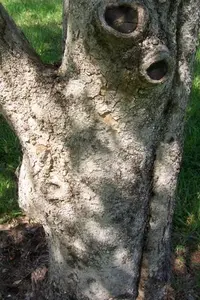
In the first 2–3 years, lightly stake young plants and remove lower side shoots to encourage a single sturdy leader that better resists wind once the stake is removed.

Screen shape management

For hedge or screen use, tip-prune new growth 2–3 times during the warm season rather than doing one heavy cut, which produces denser branching and more uniform coverage from top to bottom.

Root-zone protection

Maintain a 5–8 cm organic mulch layer out to the dripline, but keep it 5–10 cm away from the trunk to protect surface feeder roots from heat and drought without encouraging collar rot.

Safe fruit management

If falling fruit is a concern near paths or play areas, remove spent flower clusters or thin young fruit clusters in late spring to reduce slip hazards and limit unwanted self-seeding.

Health monitoring routine

Inspect foliage and stems every 4–6 weeks for scale insects, sooty mold, or dieback, and prune out affected twigs promptly, which is a practical part of caring for Diamond Pittosporum. rather than waiting for severe damage to appear.

Common Pests and Diseases

Scale insects

This pest feeds on sap and often appears as small brown or gray bumps along stems and leaf undersides, sometimes leading to sooty black growth on leaves from honeydew deposits.

Solution

Prune out heavily infested twigs, then wipe remaining scales from stems and leaves with a cotton pad dipped in diluted alcohol or insecticidal soap, repeating every 7–10 days until new growth is clean. For hedges or larger shrubs, use a horticultural oil spray labeled for ornamental shrubs, applied thoroughly to stems and leaf undersides in mild, dry weather.

Psyllids

These insects cause distorted new growth, cupping leaves, and fine honeydew that may encourage sooty mold, usually concentrating on young shoots.

Solution

Trim and dispose of affected shoot tips to remove most nymphs, then hose down foliage to dislodge remaining insects. If needed, apply a low-toxicity systemic or contact insecticide labeled for psyllids on ornamental shrubs, targeting early flushes of new growth and avoiding application during high heat.

Sooty mold

This disease appears as a black, soot-like coating on leaves and stems that grows on honeydew excreted by sap-feeding insects such as scale or psyllids, reducing light to the leaf surface.

Solution

Control the underlying sap-feeding insects first and rinse foliage with a strong but gentle water spray to remove loose mold. For persistent coating, wipe or sponge affected leaves with water mixed with a small amount of mild soap, then improve light and airflow around the plant to support new, clean growth.

Leaf spot

This disease causes small brown or tan spots on leaves that may merge into larger blotches, sometimes leading to premature leaf drop in humid or crowded plantings.

Solution

Remove and dispose of affected leaves from the plant and ground, then thin dense branches to increase airflow and promote faster drying of foliage. In severe or recurring cases, use a fungicide labeled for ornamental shrubs at the first sign of spotting, following label intervals during warm, wet periods to support Auranticarpa rhombifolia plant care.

Interesting Facts

Rainforest edge specialist

This small tree naturally occurs on the margins of subtropical rainforests in eastern Australia, where it tolerates more light and wind than many true rainforest trees yet still prefers relatively mild, frost-free conditions.

Bird-attracting orange drupes

The bright orange, berry-like fruits are actually drupes that mature in dense clusters and are eaten by many native birds, which then disperse the seeds through their droppings.

Tough urban hedging species

It is widely used as a clipped hedge or screening tree in Australian cities because it tolerates pruning, air pollution, reflected heat, and compacted soils better than many native ornamentals.

Botan icon

Did you know?

The species was previously placed in the large genus Pittosporum and only relatively recently reassigned to the separate genus Auranticarpa based on detailed studies of its flowers and fruits, making it an example of how modern botany continues to revise plant relationships as more morphological and anatomical data become available.

FAQs about Diamond Pittosporum.

Growth is moderate. In suitable outdoor conditions it often adds 20–40 cm per year, sometimes more in warm climates. Container plants and those in exposed, dry, or nutrient-poor sites grow more slowly than in-ground, well-sheltered specimens.

Grow Healthy Plants with Botan Care

Keep your plants happy and healthy with plant identification, disease detection, and easy care guidance.

Botan plant care app — identify plants on mobile

Explore More Plants