northern Labrador tea Care (Rhododendron tomentosum)

Also known as: marsh Labrador tea
northern Labrador tea

About northern Labrador tea

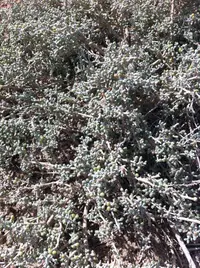
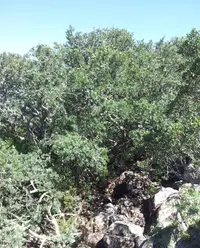
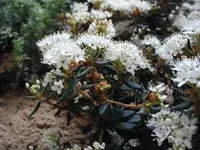
Northern Labrador tea, Rhododendron tomentosum, is a low, evergreen shrub from cool bogs, peatlands, and tundra regions in northern Europe, Asia, and North America. It forms compact, woody clumps with narrow, dark green leaves that have felted, rusty-brown undersides and clusters of small white flowers in spring.

This species is adapted to acidic, nutrient-poor, and often waterlogged soils, which can make it challenging outside its natural range. It generally prefers cool conditions, steady moisture, and sun to light shade. Gardeners who want to care for northern Labrador tea need to match these bog-like conditions as closely as possible.

Its slow growth, specialized soil needs, and sensitivity to heat limit its use to more experienced growers or to carefully prepared, cool outdoor sites.

Main Plant Requirements

Care Difficulty

Moderate Care

Light Preference

Partial Shade

Water Requirements

Keep Soil Moist

Temperature Preference

Cold Hardy

Hardiness Zone

1–6

Soil Texture

Peaty, Sandy, Organic-rich

Soil pH

Strongly acidic (4.5–5.5)

Soil Drainage

Moist but well-drained

Fertilization

Minimal (feed rarely)

Get Personalized Care Plan

Scan your plant to receive care tips personalized for your specific plant

Available on iOS and Android

How to Care for the northern Labrador tea

This shrub prefers bright, cool conditions with gentle, not harsh, sun exposure.

  • Provide 3–5 hours of direct morning sun with light shade or dappled light from midday onward to protect foliage.
  • Tolerates partial shade, but dense shade reduces flowering and can cause leggy growth in northern Labrador tea.
  • In hot summers, shield from strong afternoon sun to prevent leaf scorch; in higher latitudes, slightly more direct sun is acceptable.

Rhododendron tomentosum needs consistently moist but not waterlogged soil.

  • Water when the top 2–3 cm of soil feels slightly dry, aiming for evenly damp soil down to root depth.
  • Use acidic, well-drained, organic soil; avoid standing water, which leads to root rot, wilting with wet soil, or yellowing leaves.
  • In cool spring and fall, watering needs drop; in warm, windy weather, watch for drooping or curling leaves as a sign to water.

This cold-hardy shrub is adapted to cool climates but still benefits from stable temperature ranges.

  • Best active growth occurs around 50–68°F (10–20°C), typical of cool spring and early summer conditions.
  • Tolerates very low winter temperatures, down to about -40°F (-40°C) when established, especially with snow cover as insulation.
  • Heat above 80°F (27°C) for long periods can stress the plant; provide shade, mulch, and soil moisture in hot spells.

This species prefers consistently moist air but tolerates moderate household humidity if soil moisture is stable.

  • Aim for 40–60% humidity to reduce leaf desiccation while keeping the root zone cool and evenly moist.
  • In very dry indoor air, leaf edges may brown and new growth can appear stunted or hardened prematurely on northern Labrador tea.
  • Increase humidity by grouping plants, placing the pot on a pebble tray with water below the pot base, or using a small cool-mist humidifier nearby.

Rhododendron tomentosum thrives in cool, acidic, moist yet sharply drained substrates that mimic boggy, organic-rich ground.

  • Use a mix of 50–70% peat or fine pine bark with coarse sand or perlite to create loose, humus-rich structure.
  • Keep pH around 4.5–5.5; avoid liming materials or alkaline tap water that can lock out nutrients such as iron.
  • Ensure drainage is free-flowing so water never stagnates around the roots, even though the surface may stay lightly damp.
  • Avoid heavy clay, compacted, or manure-heavy mixes that stay wet, lack aeration, or increase pH above the acidic range.

This species can be grown in containers if the potting setup maintains cool, acidic, evenly moist but never waterlogged conditions.

  • Choose a deep, narrow container to support the fine root system and keep the root zone cooler than in shallow, wide pots.
  • Use a frost-resistant, heavier pot material in windy sites to prevent tipping as the shrub becomes woody and top-heavy.
  • Elevate the container slightly on feet or bricks so drainage holes stay clear and excess water exits rapidly after rain or watering.

This low-nutrient bog shrub needs very little feeding when grown in appropriately acidic, organic soil.

  • Use a light top-dressing of compost or leaf mold in spring for northern Labrador tea, avoiding rich manures.
  • If container-grown, apply a slow-release, acid-forming shrub fertilizer at 1/2 strength once in late spring.
  • Do not feed during fall and winter, when growth is minimal or dormant.
  • Always water before and after applying any fertilizer to reduce root burn risk.

Rhododendron tomentosum needs only light, corrective pruning to maintain natural form and plant health.

  • Prune immediately after flowering in late spring to avoid removing next year’s buds.
  • Remove dead, diseased, or storm-damaged wood with clean, sharp bypass pruners.
  • Thin out a few crowded interior shoots to improve airflow and reduce fungal problems.
  • Limit cuts to small branches to preserve the shrub’s compact, natural habit.

This shrub is usually grown in the ground; transplanting mature plants is possible but should be done carefully.

  • Transplant in early spring or early fall when temperatures are mild and soil is moist.
  • Look for signs such as stunted growth or roots circling a container if grown in pots.
  • Move only every several years, keeping as much of the original root ball and peat-rich soil as possible.
  • Water thoroughly before and after transplanting, then shade from intense sun to limit root stress.

Rhododendron tomentosum is most often propagated by semi-ripe cuttings or layering rather than seed for home growers.

  • Take semi-ripe cuttings in mid to late summer, 7–10 cm long, from healthy, non-flowering shoots.
  • Dip the cut base in rooting hormone and insert into a moist, sharply draining, acidic mix under high humidity.
  • Use simple layering in spring by pegging a flexible low stem into the soil until roots form.
  • Seed propagation is slow; sow fresh seed on the surface of acidic mix under cool, bright, frost-free conditions.

This species is very cold hardy outdoors in northern climates and generally needs minimal winter attention once established.

  • Tolerates substantial frost when planted in the ground, provided soil stays consistently moist but not saturated by ice.
  • Apply a 5–8 cm layer of acidic mulch around the root zone in late fall, keeping it away from the stems.
  • For container plants, move pots into a sheltered, unheated but frost-free or slightly protected spot to prevent root freeze.

Care Tips

Strategic siting

Plant in a cool, open location away from heavy foot traffic so the aromatic foliage can be enjoyed while minimizing damage to the shallow root system and surrounding bog-like soil structure.

Companion planting

Combine with other acid- and moisture-loving bog species such as Vaccinium and sphagnum moss to help stabilize soil moisture, buffer pH, and create a more natural, resilient planting community when growing northern Labrador tea outdoors.

Winter wind protection

In exposed sites, install a low, breathable windbreak or use evergreen shrubs as a living screen to reduce winter desiccation of the leaves and flower buds without trapping excess moisture around the stems.

Minimal soil disturbance

Avoid cultivation, digging, or heavy mulching directly over the root zone, as this species forms fine, surface-feeding roots that are easily damaged and respond better to gentle top-dressing with a thin layer of acidic organic material.

Targeted harvesting

If harvesting foliage for fragrance or traditional uses, clip only small amounts from multiple branches and never remove entire shoot tips, which preserves the plant’s natural form and maintains enough leaf area for healthy regrowth.

Common Pests and Diseases

Leaf rust

This disease causes small, rusty to orange-brown pustules on the undersides of leaves, sometimes with yellowing on the upper surface. Symptoms include premature leaf drop in more severe infections.

Solution

Remove and discard affected leaves to reduce spore spread, and avoid overhead watering so foliage stays as dry as possible. Improve air circulation around plants, and if rust recurs or is severe, apply a sulfur- or copper-based fungicide labeled for rhododendrons, following local regulations and label directions.

Powdery mildew

This disease produces a white to gray powdery coating on leaves, which may curl, distort, or show pale blotches over time. Symptoms include reduced vigor and less new growth if it persists over several seasons.

Solution

Increase light and airflow by spacing plants properly and thinning the densest shoots, and water at soil level rather than on the foliage. Remove the worst-affected leaves and, in persistent cases, use a low-impact fungicide such as potassium bicarbonate, horticultural oil, or a labeled systemic fungicide applied according to instructions.

Leaf spot

This disease causes small, brown to purplish spots on leaves that can merge into larger blotches, especially in cool, wet conditions typical of this species’ habitats. Symptoms include some leaf yellowing and early leaf drop if infection is heavy.

Solution

Prune out heavily spotted shoots and remove fallen leaves from around the plant to lower the amount of infectious material. Improve drainage and airflow, avoid wetting foliage in the evening, and if leaf spot returns regularly, apply a suitable ornamental shrub fungicide at the first sign of spotting.

Scale insects

These insects appear as small, rounded or oval bumps on stems and leaf undersides, often exuding sticky honeydew that can lead to sooty mold. This pest draws sap from the plant and can cause yellowing, stunting, and twig dieback over time.

Solution

Gently scrape or wipe off light infestations with a soft brush or cloth, and prune out heavily infested twigs. For broader control, use horticultural oil during the dormant season or on cool days, ensuring full coverage of stems and the undersides of leaves, and repeat as needed according to the product label.

Spider mites

These pests are tiny and often hard to see, but symptoms include fine stippling or bronzing on leaves, delicate webbing, and general loss of vigor in dry, warm conditions. This pest can cause leaf drop if populations become high.

Solution

Rinse foliage thoroughly with a strong but controlled stream of water, focusing on leaf undersides, and repeat several times over 1–2 weeks to knock down populations. Maintain moderate humidity, avoid drought stress, and if mites persist, apply a horticultural soap or oil labeled for mites, taking care to spray in cooler parts of the day to prevent leaf scorch.

Interesting Facts

Northern insect repellent

The foliage releases strong aromatic oils rich in terpenes such as ledol, which deter many insects and grazing animals in its native bog habitats.

Specialized bog adaptation

It commonly grows on nutrient-poor, acidic peat soils and forms associations with ericoid mycorrhizal fungi that help the roots access scarce nutrients.

Cold climate specialist

This evergreen shrub is native to subarctic and boreal regions of the Northern Hemisphere and tolerates long, cold winters that would kill many other broadleaf evergreens.

Botan icon

Did you know?

Pollen from this species can contribute to so-called grayanotoxin honey, and in regions where it grows alongside other toxic Ericaceae, honey from nearby hives has occasionally been reported as potentially intoxicating to humans.

FAQs about northern Labrador tea

This species is a low, evergreen shrub. It keeps its narrow, leathery leaves year-round, though older leaves may be shed gradually. Winter foliage often looks bronzed or dull but remains on the plant and resumes growth in spring.

Grow Healthy Plants with Botan Care

Keep your plants happy and healthy with plant identification, disease detection, and easy care guidance.

Botan plant care app — identify plants on mobile

Explore More Plants