Install sturdy stakes
Place 60–90 cm bamboo canes or metal stakes early in the season and tie stems loosely with soft ties to prevent lodging and stem breakage in wind or heavy rain.

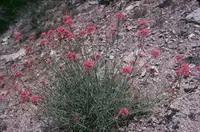
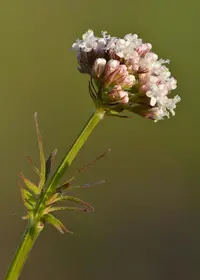
Valeriana angustifolia is a perennial herb in the valerian family, known for its finely divided leaves and clusters of small, pale flowers held on upright stems. It typically forms loose clumps in sunny to lightly shaded, cool-temperate habitats such as meadows, stream edges, and damp grasslands.
This species prefers moist, well-drained soil and steady moisture, which makes it better suited to gardens that do not dry out for long periods. Once its preference for consistent moisture and light, fertile soil is met, it is generally straightforward to care for Valeriana angustifolia in temperate climates.

Care Difficulty
Moderate Care

Light Preference
Full Sun

Water Requirements
Regular Water

Temperature Preference
Cool Climate

Hardiness Zone
4–8

Soil Texture
Loamy, Silty, Organic-rich

Soil pH
Acidic (5.5–6.5), Slightly acidic (6.5–7.0)

Soil Drainage
Moist but well-drained

Fertilization
Minimal (feed rarely)
Scan your plant to receive care tips personalized for your specific plant
Available on iOS and Android
This species prefers bright outdoor conditions with gentle sun exposure rather than intense midday heat.
This plant prefers consistently moist but not waterlogged soil, with slight surface drying between waterings.
This perennial is cool-temperate and tolerates a wide range but grows best in mild conditions.
This species handles a wide range of humidity and usually does not need special adjustment in typical home or outdoor conditions.
This plant prefers a loose, well-aerated mineral soil that drains freely yet does not dry out too quickly.
This species is suitable for container growing when the pot is deep and drainage-focused.
This species grows in relatively lean soils and needs only modest feeding in cultivation.
Thoughtful pruning keeps Valeriana angustifolia tidy and encourages healthier flowering stands.
This species is more often grown in beds, where transplanting clumps matters more than container repotting.
Valeriana angustifolia is commonly propagated by division or seed under simple garden conditions.
This hardy perennial tolerates typical winter cold in most temperate gardens and needs only modest care.

Plant Health Check
Not sure what's wrong with your plant? Check your plant's health inside the app.
This species is adapted to cool, wet habitats such as marshy meadows, stream banks, and fen edges, where its narrow leaves and fibrous roots tolerate periodic waterlogging better than many related valerian species.
Botanists recognize several subspecies within this taxon across Europe and parts of Asia, reflecting local adaptation to different moisture levels, soil types, and climatic conditions within its mostly temperate range.
The small pale flowers open in loose clusters and release a stronger scent in the evening and night, which is thought to help attract crepuscular and nocturnal pollinators such as moths; this is relevant when considering how to take care of Valeriana angustifolia near outdoor seating areas.
Roots and sometimes rhizomes are used in herbal medicine as a mild sedative, but any use should follow professional guidance. Aerial parts are less commonly eaten. Avoid casual snacking, large doses, or combining with other sedative drugs or alcohol.
Keep your plants happy and healthy with plant identification, disease detection, and easy care guidance.