Rhizome division timing
Divide clumps in late spring just as new shoots emerge, cutting rhizomes into firm pieces with at least 2–3 eyes to maintain vigor and prevent overcrowding over the long term.

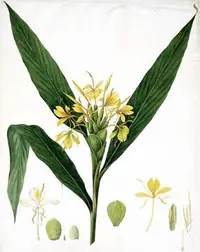
Butterfly ginger, Hedychium coccineum, is a rhizomatous perennial from tropical and subtropical Asia, valued for its tall stems and showy, butterfly-like flower clusters. It forms upright clumps of lush, lance-shaped leaves that give a bold, almost tropical look to beds and borders.
In suitable climates it can behave almost like a herbaceous shrub, returning each year from its underground rhizomes. Flowers are usually orange to reddish and lightly fragrant, attracting pollinators.
This species is generally considered moderately easy to grow if given warmth, moisture, and fertile, well-drained soil. Understanding these needs is the foundation of how to care for Butterfly ginger in temperate gardens or containers.

Care Difficulty
Moderate Care

Light Preference
Partial Sun

Water Requirements
Regular Water

Temperature Preference
Warm Climate

Hardiness Zone
7–10

Soil Texture
Loamy, Sandy, Organic-rich

Soil pH
Acidic (5.5–6.5), Slightly acidic (6.5–7.0)

Soil Drainage
Moist but well-drained

Fertilization
Moderate (every 2–4 weeks)
Scan your plant to receive care tips personalized for your specific plant
Available on iOS and Android
This species grows best in bright, moist garden sites with protection from harsh midday sun.
Hedychium coccineum prefers evenly moist but not waterlogged soil throughout the growing season.
This ginger grows best in warm, humid conditions and dislikes both frost and extreme heat.
This species benefits from moderately humid air to support lush foliage and flowering.
This rhizomatous perennial prefers moist, airy, organic-rich soil that never stays waterlogged.
This species grows well in containers if the pot is sized and weighted for its tall, leafy stems.
Hedychium coccineum responds well to moderate feeding that supports strong canes and flowering without forcing soft, weak growth.
Thoughtful pruning helps Hedychium coccineum maintain a tidy clump and channel energy into healthy shoots and flowers.
This rhizomatous ginger benefits from occasional division and transplanting to prevent overcrowding and maintain vigor.
Division is the most reliable method for increasing Hedychium coccineum while keeping new plants true to the parent.
This ginger has limited frost tolerance and benefits from root protection in cooler climates.

Plant Health Check
Not sure what's wrong with your plant? Check your plant's health inside the app.
This species is native to the eastern Himalayas and northeast India, where it has adapted to warm, very wet monsoon summers followed by cooler, drier winters that trigger its seasonal growth cycle.
Its bright orange to scarlet flowers with long exserted stamens are adapted for pollination by insects, especially large bees and butterflies, which are attracted by both color contrast and strong fragrance.
The plant grows from thick underground rhizomes that can survive seasonal disturbance and, in some native habitats, light fires, allowing rapid resprouting when conditions improve.

In parts of its native range, this species forms striking, localized colonies on open, sunny slopes and forest edges, where its massed late-summer flowering provides one of the most conspicuous nectar resources for butterflies at the end of the monsoon season.
Lack of blooms often comes from insufficient maturity, too little warmth, or nutrient imbalance. Young clumps may need 2–3 seasons. Ensure a long warm growing season and avoid high‑nitrogen fertilizer, which encourages foliage instead of flowers.
Keep your plants happy and healthy with plant identification, disease detection, and easy care guidance.