Encourage Bushy Shape
Pinch out the soft tips of each stem once they have 4–5 leaf pairs to promote compact, branching growth and a denser, more fragrant plant.

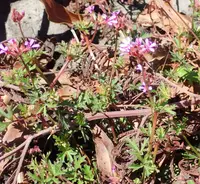
Gooseberry geranium, Pelargonium grossularioides, is a low, spreading scented geranium valued for its small, rounded leaves and soft, mat-forming growth. When brushed, the foliage releases a sweet, fruit-like scent that many people compare to berries.
This species is native to parts of southern Africa but is now grown mainly as a container and windowsill plant in temperate regions. It is generally considered easy to grow if given bright light, moderate watering, and a well-drained potting mix. For anyone learning how to care for gooseberry geranium, its compact size, tolerance of indoor conditions, and fragrant foliage make it a forgiving and rewarding choice.

Care Difficulty
Easy Care

Light Preference
Partial Sun

Water Requirements
Moderate Water

Temperature Preference
Tropical / Frost Sensitive

Hardiness Zone
10–11

Soil Texture
Sandy, Loamy, Organic-rich

Soil pH
Slightly acidic (6.5–7.0), Neutral (7.0)

Soil Drainage
Well-drained

Fertilization
Light (every 4–6 weeks)
Scan your plant to receive care tips personalized for your specific plant
Available on iOS and Android
This scented species prefers bright, gentle sun with some protection from harsh midday exposure.
This plant prefers slightly dry conditions between thorough waterings rather than constantly moist soil.
This species grows best in mild, frost-free conditions with moderate warmth.
This species handles typical indoor humidity well, so humidity is rarely a limiting factor.
Pelargonium grossularioides prefers a loose, fast-draining mix that dries quickly between waterings.
This species is well suited to container growing, including small decorative pots.
Pelargonium grossularioides responds well to light, consistent feeding during active growth.
Pelargonium grossularioides benefits from periodic light pruning to stay compact and leafy.
This scented geranium tolerates slightly root-bound conditions but still benefits from occasional repotting or transplanting.
Pelargonium grossularioides is most often propagated from softwood stem cuttings.
This tender species is not frost hardy and needs protection in climates with freezing winters.

Plant Health Check
Not sure what's wrong with your plant? Check your plant's health inside the app.
The leaves release a distinct scent reminiscent of gooseberries when rubbed or bruised, produced by volatile aromatic compounds in the glandular hairs on the foliage.
In its native South African range, this species grows as a small, sprawling herb in dry woodland and scrub habitats, often forming loose mats under taller vegetation rather than standing upright like many other pelargoniums.
The flowers are very small and pale pink to whitish, with relatively short petals and modest markings, making the plant far better known for its fragrance than for ornamental flowering display.

This species has escaped cultivation in several warm regions of the world and now appears as a naturalized, sometimes weedy plant along paths, disturbed ground, and coastal habitats, showing a strong ability to adapt to new environments beyond its native South African range.
Sparse or absent flowers usually result from low light, too much nitrogen fertilizer, or old, woody stems. Provide bright conditions, avoid high-nitrogen feeds, and trim leggy growth to stimulate fresh shoots and more buds.
Keep your plants happy and healthy with plant identification, disease detection, and easy care guidance.