bayrumtree Care (Pimenta racemosa)

Also known as: Bay Rum Tree
bayrumtree

About bayrumtree

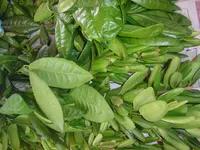
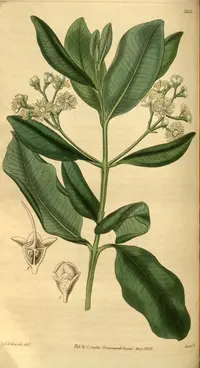
Bay rum tree, Pimenta racemosa, is an evergreen tree grown for its aromatic leaves, which are distilled to produce bay rum and fragrance oils. It typically has dense, glossy foliage and a rounded crown, making it suitable as a small landscape tree or a large container specimen in warm climates. In nature it occurs in the Caribbean region, thriving in coastal and lowland areas with warmth and humidity. The species prefers bright light, moderately moist but well-drained soil, and protection from frost, which guides how to care for bayrumtree in home gardens.

Main Plant Requirements

Care Difficulty

Moderate Care

Light Preference

Full Sun

Water Requirements

Moderate Water

Temperature Preference

Tropical / Frost Sensitive

Hardiness Zone

10–11

Soil Texture

Sandy, Loamy, Organic-rich

Soil pH

Acidic (5.5–6.5), Slightly acidic (6.5–7.0)

Soil Drainage

Moist but well-drained

Fertilization

Minimal (feed rarely)

Get Personalized Care Plan

Scan your plant to receive care tips personalized for your specific plant

Available on iOS and Android

How to Care for the bayrumtree

Pimenta racemosa grows best in bright, warm conditions with protection from harsh extremes of sun exposure.

  • Provide 6–8 hours of direct sun, ideally strong morning sun with some protection from intense midafternoon rays in hot climates.
  • Tolerates light partial shade, but bayrumtree becomes sparse and less aromatic if grown with under 4–5 hours of direct light daily.
  • In hot summers, use filtered light or dappled shade during 12–4 pm to prevent leaf scorch, while in winter maximize sun by avoiding shading from buildings or trees.

Pimenta racemosa prefers evenly moist, well-drained soil and does not tolerate standing water.

  • Water when the top 3–5 cm of soil feels dry, allowing moisture to reach the deeper root zone without saturating the planting area.
  • In spring and summer, expect more frequent watering during dry, hot weather; reduce in fall and winter as growth slows and natural rainfall often increases.
  • Watch for yellowing, soft leaves as a sign of overwatering and dry, curling, or browning leaf edges as an indicator of underwatering or prolonged drought.

This species thrives in warm, frost-free climates and is sensitive to cold snaps.

  • Ideal growth occurs at 70–86°F (21–30°C), where the plant maintains steady foliage and aromatic oil production.
  • Minimum safe temperature is around 40°F (4–5°C); brief drops below 32°F (0°C) can cause leaf damage, bark injury, or dieback.
  • Tolerates short heat waves up to about 95°F (35°C) if soil moisture is adequate, but prolonged extreme heat with dry winds increases stress and leaf drop risk.

This species benefits from moderate to high humidity but usually adapts to typical household air.

  • Aim for 40–60% humidity to keep bayrumtree foliage lush and reduce leaf-edge browning.
  • In very dry air below 30%, watch for curling leaves, crispy tips, and slowed growth as signs of humidity stress.
  • Increase humidity with a nearby humidifier, grouped plants, or a pebble tray, rather than misting, to reduce fungal risk.

Pimenta racemosa prefers airy, fast-draining soil that still holds some moisture and organic matter.

  • Use a loose, loamy mix, such as 50–60% peat or coco coir with compost and 40–50% perlite or coarse sand for structure.
  • Ensure rapid drainage so water exits the pot within seconds; avoid heavy, compacted, or clay-based mixes that stay wet for days.
  • Target slightly acidic to neutral pH around 6.0–7.0; avoid strongly alkaline soils that can lock up micronutrients and cause chlorosis.
  • Improve aeration by adding chunky bark or pumice if the mix feels dense or roots appear pale and crowded near the surface.

This species is suitable for container growing and can stay compact with careful root and canopy management.

  • Choose a wide, heavy container to stabilize the woody, top-heavy canopy in wind or on exposed patios.
  • Select thicker-walled terracotta if extra evaporation is needed to prevent the root zone from staying wet after deep watering.
  • Use a pot deep enough for a strong taproot, leaving space for coarse drainage material at the base to prevent perched water.

Pimenta racemosa responds well to moderate, balanced feeding during active growth in spring and summer.

  • Use a balanced slow-release or liquid fertilizer around 10-10-10, diluted to 1/2 strength for container plants.
  • Feed every 4–6 weeks in the growing season; in the ground, compost once in spring is usually enough.
  • Reduce feeding to 1 light application or none in winter, especially for indoor bayrumtree specimens.
  • Water before and after applying fertilizer to limit root burn and help nutrients move into the root zone.

Pruning Pimenta racemosa helps maintain a healthy structure and manageable size.

  • Carry out main pruning in late winter or early spring before vigorous new growth begins.
  • Remove dead, diseased, crossing, or inward-growing branches to improve airflow and light penetration.
  • Shorten overly long shoots to shape the canopy and encourage denser branching and foliage.
  • Use sharp, clean bypass pruners, making angled cuts just above outward-facing buds or branch junctions.

Bay rum trees are often grown in the ground, but young container plants and nursery stock benefit from careful transplanting.

  • Transplant or up-pot in spring when roots are circling the container, drainage slows, or growth appears stunted.
  • For containers, move Pimenta racemosa to a pot 5–8 cm wider every 2–3 years with a well-drained, slightly rich mix.
  • At planting, keep the root flare at soil level, loosen circling roots gently, and avoid burying the stem base.
  • Water thoroughly after transplanting, provide partial shade for 1–2 weeks, and maintain even moisture until new growth appears.

Pimenta racemosa is most often propagated from semi-ripe cuttings or seeds under warm, stable conditions.

  • Take 8–12 cm semi-ripe cuttings in late spring or summer, removing lower leaves and dipping bases in rooting hormone.
  • Insert cuttings into a sterile, well-drained medium, keep at 70–80°F with high humidity, and provide bright, indirect light.
  • Sow fresh seeds in warm conditions; lightly cover, keep evenly moist, and expect slow, sometimes erratic germination.
  • Transplant young plants once roots fill the starter cell, handling gently to avoid disturbing the fine root system.

Pimenta racemosa is frost-sensitive and needs protection in climates colder than USDA zone 10.

  • In-ground plants in marginal areas benefit from 5–8 cm of mulch over the root zone, kept away from the trunk.
  • Wrap young trunks with breathable frost cloth if brief light frosts are expected.
  • For containers, move plants indoors or into a heated greenhouse before temperatures drop below 40°F.
  • Indoors, give bright light, reduce watering slightly, and avoid cold drafts and sudden temperature swings.

Care Tips

Wind shaping

Expose outdoor plants to moderate, steady air movement from one main direction so branches develop strong taper and flexible wood that copes better with storms and heavy rain.

Scent-focused pruning

When harvesting leaves for fragrance, cut only semi-mature, fully colored leaves from well-lit outer branches, leaving interior foliage intact to maintain photosynthesis and avoid thinning the canopy too much.

Salt exposure management

In coastal areas, hose off foliage with fresh water every few weeks during dry spells to remove accumulated sea salt that can scorch leaf edges and reduce vigor.

Container root rotation

For potted specimens, rotate the container 90° every 2–3 weeks during active growth so roots distribute evenly around the pot and the canopy stays balanced instead of leaning toward the light source.

Fragrance oil optimization

For those growing bayrumtree for aromatic leaves, maintain a consistent regime of light clipping rather than heavy, infrequent harvests, since mild, regular stress encourages new flushes of high-oil foliage without exhausting the plant.

Common Pests and Diseases

Bay rum rust

This disease causes yellow spots on the upper leaf surface with orange to brown powdery pustules beneath, leading to premature leaf drop under humid, warm conditions.

Solution

Prune out and dispose of heavily affected leaves, increase air circulation around the canopy, avoid overhead watering, and apply a copper-based fungicide or other labeled rust control product at the first sign of symptoms if conditions stay warm and humid.

Leaf spot

This disease produces small, dark brown to black spots on leaves that may merge into larger blotches, sometimes with a yellow halo, and can weaken young bay rum trees.

Solution

Remove and discard spotted leaves, keep foliage dry by watering at soil level, and improve spacing and airflow; in recurring cases, use a preventive broad-spectrum fungicide labeled for leaf spots on woody ornamentals during prolonged wet periods.

Scale insects

These insects appear as small, immobile bumps on stems and leaf undersides, sucking sap and causing leaf yellowing, sticky honeydew, and sooty mold growth.

Solution

Prune and discard heavily infested twigs, gently wipe remaining scales off with a cloth dipped in soapy water, and use horticultural oil or insecticidal soap, ensuring thorough coverage of stems and leaf undersides over several treatments to break their life cycle.

Bay rum leaf miner

This pest creates winding, pale tunnels inside the leaves where larvae feed, leading to distorted, thin, and sometimes prematurely dropping foliage.

Solution

Pinch off and dispose of mined leaves as soon as tunnels appear, encourage beneficial predators by avoiding broad-spectrum insecticides, and, in severe outdoor infestations, use a systemic insecticide specifically labeled for leaf miners according to local regulations.

Whiteflies

These insects are tiny white, moth-like pests that fly up when foliage is disturbed, weakening the plant by sap feeding and leaving sticky honeydew that can develop sooty mold.

Solution

Regularly hose down the undersides of leaves, use yellow sticky traps to monitor and reduce adult numbers, and apply insecticidal soap or horticultural oil to leaf undersides in repeated treatments, especially when focusing on bayrumtree indoor care in warm, still air conditions.

Interesting Facts

Source of bay rum

This species is the traditional source of the spicy, clove-like essential oil used to scent classic bay rum aftershaves and colognes, especially in the Caribbean and early barbershops.

Aromatic leaf chemistry

Its leaves contain volatile compounds such as eugenol, chavicol, and myrcene, which create a complex aroma distinct from both culinary bay laurel and allspice, even though they are related in the myrtle family.

Caribbean coastal specialist

In the wild, this tree is native to the Caribbean and often grows near coasts on limestone or rocky soils, showing good tolerance to salt-laden winds and seasonal dryness.

Botan icon

Did you know?

Traditional accounts and historical records from the Caribbean describe how fresh leaves of this species were once steeped in local rum, then distilled or strained to produce early bay rum tonics that became popular grooming products far beyond its native range.

FAQs about bayrumtree

Flowering may be reduced by low light, heavy pruning at the wrong time, or nutrient imbalance with excess nitrogen. Ensure warm conditions, adequate sun, and avoid cutting new shoots just before the typical blooming season.

Grow Healthy Plants with Botan Care

Keep your plants happy and healthy with plant identification, disease detection, and easy care guidance.

Botan plant care app — identify plants on mobile

Explore More Plants