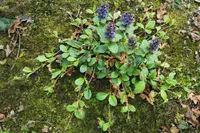
Baikal skullcap Care (Scutellaria baicalensis)

Also known as: Chinese skullcap
Baikal skullcap

About Baikal skullcap

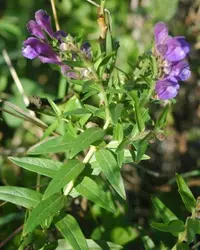
Baikal skullcap, Scutellaria baicalensis, is a hardy herbaceous perennial in the mint family, valued both as an ornamental and as a traditional medicinal herb. It forms low clumps with narrow green leaves and produces short spikes of purple-blue, tubular flowers in summer.

In nature it grows in sunny, well-drained grasslands and slopes in East Asia, especially in China, Mongolia, and Siberia. It tends to be resilient once established, tolerating cool climates and brief dry periods.

For home gardeners, it is moderately easy to grow if given full sun, drainage, and not overly rich soil. Those looking to learn how to care for Baikal skullcap usually focus on preventing root rot and avoiding heavy, waterlogged conditions.

Main Plant Requirements

Care Difficulty

Moderate Care

Light Preference

Full Sun

Water Requirements

Moderate Water

Temperature Preference

Cold Hardy

Hardiness Zone

4–8

Soil Texture

Sandy, Loamy, Organic-rich

Soil pH

Acidic (5.5–6.5), Slightly acidic (6.5–7.0)

Soil Drainage

Moist but well-drained

Fertilization

Minimal (feed rarely)

Get Personalized Care Plan

Scan your plant to receive care tips personalized for your specific plant

Available on iOS and Android

How to Care for the Baikal skullcap

This sun-loving perennial does best in open, bright sites with protection from harsh extremes.

  • Provide 6–8 hours of direct sun daily, ideally with morning sun and light afternoon shade in hot summer regions to prevent leaf scorch.
  • Baikal skullcap tolerates light partial shade (around 3–4 hours of direct sun) but flowering and root development decline as light levels drop.
  • In cooler climates, full sun all day is suitable, while in hotter zones, use filtered light from 1–4 pm and avoid reflected heat from walls or pavement.

This species prefers consistently moist but not waterlogged soil, especially during active growth.

  • Water when the top 3–5 cm of soil feels dry, then moisten the root zone thoroughly so excess water drains out and does not pool around the crown.
  • In spring and summer, monitor closely during hot, windy periods; in cool or rainy seasons, extend the interval and avoid topping up wet soil to limit root rot risk in Scutellaria baicalensis.
  • Signs of underwatering include limp, dull foliage and slow growth, while yellowing lower leaves, soft stems, or a sour soil smell indicate overwatering and poor drainage.

This hardy herb tolerates cold winters but grows best in moderate, stable temperatures.

  • Active growth is strongest at 65–80°F (18–27°C); extended periods above 90°F (32°C) can reduce vigor, so provide mulch and some afternoon shade in hot climates.
  • The roots usually survive down to about 0°F (−18°C) in well-drained soil; mulch 5–8 cm deep in late fall to buffer freeze–thaw cycles.
  • Tender new shoots and flower buds can be damaged by late spring frosts; in frost-prone areas, delay exposing young plants until nights stay above 40°F (4–5°C).

This species tolerates a wide humidity range and usually does not need special humidity control indoors or outdoors.

  • Aim for 30–60% humidity, which suits Baikal skullcap in most heated or air-conditioned homes.
  • Expect mild leaf-tip browning or slower growth if air stays very dry below 30% for long periods.
  • If air is extremely dry, group plants together or place the pot on a pebble tray with water to raise local humidity slightly.

Scutellaria baicalensis prefers loose, well-aerated soil that drains quickly yet holds moderate moisture.

  • Use a sandy or loamy mix: roughly 50% standard potting soil, 30% coarse sand, 20% compost for structure and nutrients.
  • Ensure fast drainage so water does not pool around the roots; avoid heavy clay or compacted ground that stays wet.
  • Target a slightly acidic to neutral pH around 6.0–7.0 for best nutrient availability and root function.
  • Improve aeration by blending in perlite or fine grit where soil tends to compact, and avoid adding peat in very high proportions.

This species is suitable for container growing and responds well to a deep, stable pot outdoors.

  • Choose a container at least 25–30 cm deep so the taproot can develop without curling tightly at the bottom.
  • Select a heavier material such as ceramic or thick plastic to keep the pot stable against wind once stems reach full height.
  • Raise the pot slightly on feet or bricks so drainage holes stay clear and excess water escapes rapidly after rain or irrigation.

This species grows in lean soils and needs only light feeding for steady growth.

  • Use a balanced, low-strength liquid fertilizer (for example 10-10-10) at 1/2–1/4 strength during active growth in spring–summer.
  • Apply every 4–6 weeks if growth in pots is weak; in fertile garden soil, feeding is often unnecessary.
  • Organic compost or a thin layer of well-rotted manure in spring supports long-term soil health for Baikal skullcap.
  • Stop feeding in late summer and do not fertilize during winter dormancy to avoid soft, frost-prone growth.

Scutellaria baicalensis benefits from light, targeted pruning to keep plants compact and flowering well.

  • Cut back spent flower stalks in late summer to encourage a neater mound and sometimes a light rebloom.
  • In early spring, remove dead, damaged, or weak stems using clean, sharp pruners or scissors.
  • Thin crowded shoots at the base to improve airflow and reduce disease risk.
  • Avoid cutting into the woody crown; leave short stubs of healthy green growth to reshoot.

This perennial is usually grown in garden beds, with transplanting done infrequently to reduce disturbance.

  • Transplant in early spring or early fall when temperatures are mild and soil is workable.
  • Move plants only every few years or when clumps overcrowd, showing reduced vigor or flowering.
  • Lift with a wide root ball, keep roots shaded and moist, and replant at the same depth in well-drained soil.
  • Water thoroughly after planting and keep evenly moist for 1–2 weeks to limit transplant shock.

New plants are commonly raised from seed, with division or cuttings used to maintain selected forms.

  • Sow fresh seed in fall or early spring; cold stratification (chilling moist seed) for 4–6 weeks improves germination.
  • Use a free-draining seed mix, keep lightly moist, and provide bright, indirect light for seedlings.
  • Divide mature clumps in early spring, ensuring each division carries several buds and a firm root section.
  • Softwood cuttings in late spring root in a loose, sandy substrate kept slightly moist and warm.

Established plants are cold hardy in much of the temperate US and usually need minimal winter care.

  • Once frost blackens top growth, allow stems to die back naturally, then cut to ground level in late fall or early spring.
  • Apply a 5–7 cm mulch layer over the root zone in colder regions to buffer freeze–thaw cycles.
  • In containers, move pots to a sheltered, unheated but frost-sheltered spot to prevent root damage.

Care Tips

Root-zone mulching

Apply a 3–5 cm layer of sterile straw, shredded bark, or pine needles around the base, keeping it 2–3 cm away from stems to stabilize soil moisture and reduce weed competition without inviting rot.

Progressive harvesting

Begin cutting upper stems just above a node once plants reach 20–25 cm tall, then repeat every 3–4 weeks so the plant redirects energy into fresh top growth while the root system continues to thicken for future medicinal harvests.

Staggered root lifting

For root use, lift only 25–30% of the clump in year 3 or later and replant the healthiest divisions immediately so a productive stand can regenerate instead of removing the entire planting at once.

Targeted weed control

Hand-weed or use a narrow hoe early in the season before weeds are taller than 3–4 cm, because this species dislikes strong root competition and will yield smaller roots if surrounded by established weeds.

Rotation and rest

After 3–4 years in the same bed, move the crop to a new area and plant a non-mint-family cover crop, such as oats or buckwheat, in the old bed to lower soil-borne disease pressure and support long-term success when growing Baikal skullcap.

Common Pests and Diseases

Leaf spot

This disease causes small water-soaked or brown lesions on leaves that can merge into larger irregular patches, especially in warm, humid weather or dense plantings.

Solution

Remove and discard affected leaves, avoid overhead watering, and thin plants to improve airflow; if spread continues in wet conditions, apply a copper-based or chlorothalonil fungicide according to label directions as part of broader Scutellaria baicalensis plant care.

Powdery mildew

This disease presents as white or gray powdery growth on upper leaf surfaces, which can lead to yellowing and premature leaf drop in crowded or shaded plantings.

Solution

Increase light and air circulation, water at the base rather than onto foliage, remove heavily infected leaves, and use a sulfur or potassium bicarbonate fungicide if conditions stay humid and symptoms worsen.

Aphids

These insects cluster on young stems and undersides of leaves, sucking sap and causing distortion, sticky honeydew, and sometimes sooty mold on Baikal skullcap foliage.

Solution

Spray plants with a strong stream of water to dislodge colonies, then treat remaining populations with insecticidal soap or a light horticultural oil, repeating every 5–7 days until new growth appears clean.

Spider mites

This pest is favored by hot, dry conditions and causes fine stippling, bronzing, and delicate webbing on the undersides of leaves, which can lead to general decline if ignored.

Solution

Increase humidity around plants, hose down foliage regularly to remove mites, and use insecticidal soap or a horticultural oil targeted at leaf undersides, repeating treatments as needed while monitoring with a hand lens.

Rhizoctonia crown rot

This disease leads to dark, sunken lesions at the crown and lower stems, wilting, and collapse, especially in poorly drained or overwatered beds where Baikal skullcap is grown repeatedly.

Solution

Promptly remove and destroy affected plants, improve drainage and avoid overwatering, rotate planting sites, and if the problem recurs, consider a soil-directed fungicide labeled for Rhizoctonia in ornamental or medicinal herb beds while adjusting cultural conditions for healthier growing Baikal skullcap.

Interesting Facts

Baikal Lake specialist

This species is native to the shores and mountain slopes around Lake Baikal and nearby regions of Siberia, Mongolia, and northern China, where it grows in dry, sunny, often rocky habitats.

Distinctive shield-like calyx

The common name skullcap comes from its enlarged, helmet-shaped calyx at the base of each flower, which forms a small shield-like structure that is especially pronounced in this species.

High baicalein content

The roots are unusually rich in the flavonoid baicalein and related compounds, making it one of the chemically best-characterized members of the genus for pharmacological research.

Botan icon

Did you know?

This species has been recorded in Chinese materia medica texts for more than 1,000 years under the name Huangqin, making it one of the longest-documented members of the mint family used in East Asian traditional herbal practice.

FAQs about Baikal skullcap

This species is a hardy herbaceous perennial. Top growth dies back in winter, but the root system survives and sends up new shoots each spring, provided the soil is well-drained and winter temperatures are not extreme.

Grow Healthy Plants with Botan Care

Keep your plants happy and healthy with plant identification, disease detection, and easy care guidance.

Botan plant care app — identify plants on mobile

Explore More Plants