denseflowered mullein Care (Verbascum densiflorum)

Also known as: denseflower mullein
denseflowered mullein

About denseflowered mullein

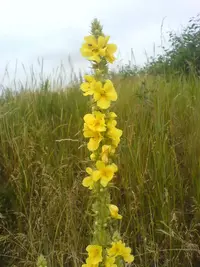
Denseflowered mullein, Verbascum densiflorum, is a tall, sun-loving perennial or biennial herb known for its thick, upright spikes packed with soft yellow flowers. It forms a low rosette of large, woolly leaves in its first year, then sends up impressive flowering stems that attract bees and other pollinators.

This species is native to Europe and western Asia but is naturalized in many temperate regions, often found in dry meadows, roadsides, and other open, disturbed sites. It suits gardeners who prefer low-maintenance plants, as it tolerates poor soil, drought, and heat once established.

Those learning how to care for denseflowered mullein should focus on providing full sun, well-drained soil, and avoiding prolonged waterlogging, which the plant does not tolerate well.

Main Plant Requirements

Care Difficulty

Easy Care

Light Preference

Full Sun

Water Requirements

Low Water

Temperature Preference

Cold Hardy

Hardiness Zone

4–8

Soil Texture

Sandy, Loamy, Rocky

Soil pH

Slightly acidic (6.5–7.0), Slightly alkaline (7.0–7.5)

Soil Drainage

Well-drained

Fertilization

Minimal (feed rarely)

Get Personalized Care Plan

Scan your plant to receive care tips personalized for your specific plant

Available on iOS and Android

How to Care for the denseflowered mullein

This sun-loving perennial thrives in open, bright conditions typical of dry meadows or sunny borders.

  • Provide 6–8 hours of direct sun daily; full sun from morning through mid-afternoon supports sturdy stems and dense flowering.
  • Plant can tolerate light partial shade, especially with morning sun and light afternoon shade, but flowering may be reduced in less than 4–5 hours of direct light.
  • In hot summers, harsh late-afternoon sun combined with drought can scorch foliage, so ensure soil is not bone dry during heatwaves to support denseflowered mullein.

This species prefers dry to moderately dry conditions and is adapted to well-drained, often poor soils.

  • Allow the top 5–7 cm of soil to dry before watering; in the ground, this often means deep but infrequent watering during prolonged dry spells only.
  • Use sharply drained soil or a free-draining slope so water does not stand around roots; consistent soggy soil encourages root rot in Verbascum densiflorum.
  • In summer, watch for wilting or dull, drooping leaves as a sign of drought stress, while yellowing, soft basal leaves often indicate chronic overwatering.

This hardy perennial tolerates a wide temperature range typical of temperate climates.

  • Optimal growth occurs around 60–75°F (16–24°C), especially in late spring and early summer when rosettes and flower spikes develop.
  • Mature plants in well-drained soil usually tolerate winter cold down to about 0°F (−18°C), but young rosettes benefit from shelter from standing winter water and severe wind.
  • Established plants handle dry heat up to 90–95°F (32–35°C) if soil drainage is excellent, though prolonged extreme heat with drought can shorten flowering duration.

Humidity is not a significant factor for Verbascum densiflorum, which prefers dry air similar to outdoor conditions.

Soil for Verbascum densiflorum should be mineral, free-draining, and never stay wet for long.

  • Use sandy or gravelly loam with low to moderate organic matter to mimic dry, rocky habitats.
  • Aim for slightly alkaline to neutral pH around 7.0–7.8, avoiding strongly acidic mixes.
  • Blend coarse sand or fine gravel into garden soil to improve drainage and root aeration.
  • Avoid compacted clay, peat-heavy, or water-retentive mixes that hold moisture around the crown.

This species can be grown in containers if the pot is prepared for very sharp drainage and strong anchoring.

  • Choose a deep, heavy container so the tall, top-heavy stem does not tip over in wind.
  • Fill the bottom 2–3 in with coarse gravel to speed drainage away from the taproot zone.
  • Use unglazed clay pots to allow faster evaporation and prevent prolonged moisture around the crown.

This species is adapted to nutrient-poor soils, so denseflowered mullein usually grows well with very light feeding.

  • If soil is extremely poor, apply a thin layer of compost around the base in early spring.
  • Use a balanced, slow-release NPK fertilizer at 1/2 strength once in early to mid-spring for container plants.
  • Avoid high-nitrogen products, which encourage weak, lush growth and fewer flowers.
  • Do not feed in late fall or winter, when the plant is dormant.

Thoughtful pruning helps Verbascum densiflorum stay tidy and extend its flowering display.

  • Deadhead spent flower spikes during summer by cutting them back to a basal rosette to encourage more blooms.
  • Remove dead, damaged, or diseased leaves at any time using clean, sharp hand pruners.
  • In late fall or very early spring, cut back old, dry stems to just above the basal growth.
  • Avoid heavy pruning into the main crown to prevent weakening or rotting.

This deep-rooted biennial or short-lived perennial prefers to stay in place, so transplanting should be minimal and well-timed.

  • Start seeds or young plants in final positions or deep pots, since the taproot resents disturbance.
  • If container-grown, transplant in early spring when growth resumes and before flowering starts.
  • Move plants only when root growth circles the pot or top growth stalls despite good care.
  • Water thoroughly after transplanting, keep soil evenly moist for 1–2 weeks, and shade from harsh midday sun to limit stress.

Propagation of Verbascum densiflorum is most reliable from seed rather than division or cuttings.

  • Collect seed from dry flower spikes in late summer and store cool and dry until sowing.
  • Sow seeds in late summer or early spring on the soil surface, as they need light to germinate.
  • Maintain 60–70°F and lightly moist, well-drained substrate until germination in 2–4 weeks.
  • Thin or transplant seedlings carefully while young, keeping root disturbance to a minimum.

Mature plants are generally cold hardy in temperate climates and need only modest winter attention.

  • Rosettes tolerate typical winter frosts once established, especially in well-drained soil.
  • Apply a light mulch layer (2–5 cm) around, not over, the crown in late fall to buffer temperature swings.
  • For container plants in colder zones, move pots to a sheltered, unheated area to reduce freeze–thaw stress.

Care Tips

Stake Tall Spikes

Install discreet stakes or a low wire grid on the windy side of the plant before flower spikes reach 60–80 cm to prevent snapping and to keep the stems upright for a longer bloom display.

Encourage Self‑Seeding

After flowering, leave a few of the strongest seed spikes to mature and dry on the plant, then shake them gently over open soil in late summer to promote a natural, staggered colony of new plants.

Targeted Deadheading

Regularly remove spent side flowers while leaving the main spike intact early in the season to extend the bloom period and reduce unnecessary seed production.

Base Cleaning Routine

Every few weeks in the growing season, remove yellowing basal leaves and any foliage in contact with wet soil to improve airflow and reduce foliar disease risk when caring for denseflowered mullein.

Wildlife‑Safe Zone

Avoid insecticide use around this plant because the flowers are valuable to native bees and other pollinators; instead, handpick obvious pests and rely on natural predators to maintain balance.

Common Pests and Diseases

Mullein moth caterpillars

This pest feeds heavily on the foliage, often skeletonizing leaves and leaving only midribs and veins. Symptoms include chewed holes, frass (droppings), and clusters of striped caterpillars on the rosettes and flowering stems.

Solution

Hand-pick caterpillars regularly and drop them into soapy water, especially early in the season before numbers build up. For larger infestations, use a biological control containing Bacillus thuringiensis (Bt) targeted at caterpillars, and remove heavily damaged leaves to reduce hiding sites and feeding pressure.

Rust

This disease causes orange to brown powdery pustules on the undersides of leaves, with yellowing or browning patches above. Symptoms include premature leaf drop and weakened plants, especially in humid, crowded conditions.

Solution

Remove and discard affected leaves as soon as symptoms appear and keep the base of the plant free of debris to reduce spores. Improve air circulation, avoid overhead watering, and if rust is persistent, apply a sulfur or copper-based fungicide labeled for ornamental plants according to label directions.

Powdery mildew

This disease appears as white, powdery patches on leaves and stems, often starting on lower or shaded foliage. Symptoms include distorted growth and gradual yellowing, especially in still, dry air with cool nights and warm days.

Solution

Remove and dispose of heavily infected leaves and ensure good spacing and airflow around the plant. Water at soil level, avoid evening overhead watering, and use a potassium bicarbonate or horticultural oil product labeled for powdery mildew if the problem recurs.

Verbascum aphids

These insects cluster on new growth, flower spikes, and leaf undersides, sucking sap and causing curling, distortion, and sticky honeydew that can attract sooty mold. Symptoms include stunted shoots and deformed flower buds.

Solution

Spray affected shoots with a strong stream of water to dislodge aphids, repeating every few days as needed. For persistent populations, treat colonies directly with insecticidal soap or a light horticultural oil, and encourage natural predators such as lady beetles by avoiding broad-spectrum insecticides.

Leaf spot

This disease causes small brown, tan, or dark purple spots on leaves that may merge into larger lesions, sometimes with yellow halos. Symptoms include premature yellowing and drop of lower leaves, especially in wet or poorly ventilated plantings when growing denseflowered mullein outdoors.

Solution

Remove and discard affected leaves promptly and avoid overhead irrigation that keeps foliage wet for long periods. Improve spacing and airflow, water early in the day, and if spots continue to spread, use a copper-based fungicide labeled for leaf spots on ornamentals following the product instructions.

Interesting Facts

Tall biennial growth

This species typically lives 2 years, forming a leaf rosette in the first year and then sending up a densely flowered stem that can reach around 1.5–2 m in the second year before dying after seed set.

Densely packed blossoms

The bright yellow flowers are arranged in a tight, elongated spike, with many small blooms opening gradually from the bottom upward, which provides a prolonged nectar and pollen source for visiting insects.

Hairy leaf surface

Its gray‑green leaves are covered with a dense layer of fine hairs that reduce water loss and protect tissues from intense sunlight, allowing the plant to thrive in dry, disturbed habitats.

Botan icon

Did you know?

In some European regions, this species has been used in traditional candle-making by dipping its tall, dried flower stems in tallow or wax and burning them as makeshift torches, which is one reason it is commonly called mullein or torchflower.

FAQs about denseflowered mullein

This species is highly attractive to bees, hoverflies, and some butterflies, thanks to its tall spikes of yellow flowers rich in nectar and pollen. It works well as a pollinator-supporting plant in sunny, low-maintenance gardens.

Grow Healthy Plants with Botan Care

Keep your plants happy and healthy with plant identification, disease detection, and easy care guidance.


Botan plant care app — identify plants on mobile

Explore More Plants