smooth joyweed Care (Alternanthera paronychioides)

smooth joyweed

About smooth joyweed

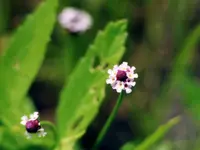
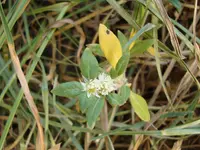
Smooth joyweed, Alternanthera paronychioides, is a low-growing herbaceous plant often used as a groundcover or edging plant in warm climates. It forms dense mats of small, narrow leaves that can create a neat, uniform carpet of foliage.

This species is native to tropical and subtropical regions and commonly appears in moist, disturbed sites, lawns, and along paths. In gardens or containers, it can soften hard edges and fill gaps between larger plants.

It tends to be easy to grow under warm conditions, spreading quickly where moisture is consistent and competition is low. For those who want to care for smooth joyweed successfully, provide regular moisture, good drainage, and moderate light without prolonged drying or waterlogging.

Main Plant Requirements

Care Difficulty

Easy Care

Light Preference

Full Sun

Water Requirements

Regular Water

Temperature Preference

Tropical / Frost Sensitive

Hardiness Zone

10–11

Soil Texture

Sandy, Loamy, Organic-rich

Soil pH

Acidic (5.5–6.5), Slightly acidic (6.5–7.0)

Soil Drainage

Moist but well-drained

Fertilization

Moderate (every 2–4 weeks)

Get Personalized Care Plan

Scan your plant to receive care tips personalized for your specific plant

Available on iOS and Android

How to Care for the smooth joyweed

Alternanthera paronychioides needs bright, steady light to keep its foliage dense and colorful.

  • Provide 4–6 hours of direct morning sun with bright, filtered light for the rest of the day, especially in summer.
  • Tolerates light partial shade, but stems may elongate and colors fade if it receives less than 3–4 hours of sun.
  • In hot climates, protect smooth joyweed from harsh afternoon sun to reduce leaf scorch and excessive wilting, especially in mid-summer.

This species prefers evenly moist soil and reacts quickly to both drought and excess water.

  • Water when the top 2–3 cm of soil feels dry, aiming to keep the root zone slightly moist but never waterlogged.
  • Use well-draining soil; yellowing, soft leaves indicate overwatering, while limp, crisp edges show the plant is too dry.
  • Reduce frequency in cool seasons when growth slows, but do not let garden soil dry out completely for Alternanthera paronychioides.

This plant is a warmth-loving tropical that dislikes cold and sudden temperature drops.

  • Optimal growth occurs around 70–85°F (21–29°C), where stems stay compact and foliage color develops best.
  • Protect from temperatures below 50°F (10°C); growth stalls near this point and foliage can be damaged by light chills.
  • It is highly sensitive to frost; kill risk rises below 40°F (4°C), while brief heat up to 95°F (35°C) is tolerated with consistent moisture.

This species benefits from moderately moist air, especially in heated homes.

  • Aim for 50–70% humidity to keep foliage dense and prevent leaf edge browning.
  • It tolerates brief dips to 35–40%, but prolonged very dry air causes crisp tips and dull, slow growth.
  • Increase humidity with a nearby humidifier, grouped plants, or a wide pebble tray, avoiding misting that keeps leaves wet for long periods.

Soil for this species should be loose, moisture-retentive, and fast-draining.

  • Use a mix of 50–60% peat- or coco-based potting mix with 20–30% compost and 10–20% perlite or coarse sand for structure and drainage.
  • Target slightly acidic to neutral pH around 6.0–7.0, which supports nutrient uptake and steady foliage growth.
  • Ensure the mix is crumbly, not sticky; break up clods and avoid heavy clay that compacts and suffocates roots.
  • For practical Alternanthera paronychioides plant care, refresh organic matter regularly so the mix stays aerated and does not collapse over time.

This spreading groundcover grows well in containers when moisture and stability are managed carefully.

  • Choose a wide, shallow pot that matches its lateral spread, so stems can trail or edge the rim without crowding roots.
  • Select a slightly heavier material such as ceramic to prevent lightweight pots from tipping as foliage becomes dense and top-weighted.
  • Raise the container on pot feet or bricks so drainage holes clear the surface and excess water exits quickly after watering.

Alternanthera paronychioides responds well to light, consistent feeding during its active growing season.

  • Use a balanced liquid fertilizer (for example 10-10-10 NPK) at 1/4–1/2 strength every 2–4 weeks in spring and summer.
  • Alternatively, incorporate a thin layer of compost or a low-dose slow-release fertilizer at the start of the growing season.
  • Skip feeding or reduce to once during late fall and winter, especially for indoor plants with low light and slower growth.
  • Always water before applying fertilizer to minimize root burn and avoid feeding stressed or very dry plants.

Pruning keeps Alternanthera paronychioides compact, dense, and colorful.

  • Time the main pruning flush for mid-spring through late summer, when growth is strong and recovery is quick.
  • Use clean, sharp scissors or small pruning shears to remove dead, damaged, or leggy stems back to healthy nodes.
  • Pinch or trim shoot tips to encourage branching and a low, carpet-like habit, especially in edging or groundcover plantings.
  • Lightly thin overcrowded stems to maintain airflow, which reduces fungal problems and keeps foliage more uniform.

This shallow-rooted species adapts well to both containers and garden beds, but benefits from occasional transplanting or repotting.

  • Check for roots circling the pot, pushing through drainage holes, or for slowed growth as signals it needs more space.
  • Plan repotting or outdoor transplanting in mid-spring, after frost risk has passed and growth is starting, usually every 1–2 years.
  • Move into a container 2–3 cm wider with free-draining, rich mix, keeping the root ball at the same depth as before.
  • Handle roots gently, water thoroughly after moving, and shade for 2–3 days to reduce transplant shock and wilting.

Alternanthera paronychioides is commonly multiplied by stem cuttings for uniform color and growth habit.

  • Take 5–8 cm softwood cuttings in late spring or summer from healthy, non-flowering shoots.
  • Remove lower leaves, then insert cuttings into moist, free-draining mix; optional rooting hormone can speed root formation.
  • Maintain high humidity and bright, indirect light at 70–80°F for reliable rooting in 1–3 weeks.
  • Once roots are established, acclimate plants to stronger light and slightly drier conditions before planting out.

In cool climates, smooth joyweed behaves as a tender perennial or warm-season annual and needs protection from freezing temperatures.

  • It is frost-sensitive and typically damaged when temperatures drop near 32°F, especially in exposed sites.
  • Mulch garden plantings with 3–5 cm of organic material to insulate the root zone in mild-winter regions.
  • For containers, move plants indoors to bright, cool rooms before the first frost, reducing watering to match slower growth.

Care Tips

Regular tip pinching

Pinch back 1–2 cm of soft shoot tips every 2–3 weeks to keep plants compact and encourage dense, colorful foliage mats rather than leggy, open growth.

Edge containment strip

In outdoor beds, install a shallow plastic or metal edging strip 3–5 cm deep around planting areas to prevent stems from rooting and spreading into lawns or paths.

Color maintenance rotation

If foliage color fades in summer, rotate container plants every 1–2 weeks and gradually shift them toward brighter exposure to restore compact, intensely colored growth without sun scorch.

Low-profile ground cover

Use it as a living mulch between stepping stones or at bed fronts, trimming runners that cross walking areas so the plant forms a controlled, dense carpet that suppresses small weeds.

Quick restart propagation

If plants become tired or patchy, take 5–8 cm stem cuttings, root them in a small tray, then replant as a fresh, dense edging, which is an efficient method for caring for smooth joyweed over several seasons.

Common Pests and Diseases

Spider mites

This pest often appears on Alternanthera during warm, dry conditions and causes tiny pale stippling, dull leaves, and fine webbing on stems and leaf undersides.

Solution

Rinse foliage thoroughly with a strong but gentle stream of water, then maintain higher humidity and isolate the plant; for persistent infestations use insecticidal soap or a neem oil spray, repeating every 5–7 days until new growth is clean.

Leaf miners

These insects create winding, pale tunnels inside the thin leaves, which is common in ornamental Alternanthera plantings and can quickly disfigure foliage mats.

Solution

Remove and dispose of affected leaves to break the life cycle, then use a neem oil or spinosad-based spray to target larvae, applying in the evening and repeating according to label directions while monitoring new growth closely.

Cercospora leaf spot

This disease causes small, dark, often purplish or brown spots that may merge into larger patches, leading to thinning foliage in dense Alternanthera beds.

Solution

Prune and discard heavily spotted leaves, improve spacing and airflow, avoid overhead watering, and if spread continues apply a copper or chlorothalonil-based fungicide, treating both upper and lower leaf surfaces.

Southern blight

This disease, caused by the soil-borne fungus Sclerotium rolfsii, leads to sudden wilting, stem collapse near the soil line, and white fungal growth with small tan sclerotia on lower stems and soil surface.

Solution

Promptly remove and discard affected plants with surrounding soil, avoid replanting Alternanthera in the same spot for several seasons, improve drainage, and keep mulch thin and away from stems to reduce humidity at the soil surface.

Interesting Facts

Low-growing mat former

This species naturally forms a very dense, low carpet of stems and leaves, often staying under 10 cm tall, which allows it to quickly cover bare, moist soil or the shallow margins of ponds and ditches.

Amphibious growth habit

The plant can grow both in wet terrestrial conditions and in very shallow, slow-moving water, with its stems and rooting nodes tolerating repeated flooding and brief submersion.

Tiny wind-pollinated flowers

Its small, white, papery flower clusters are adapted for wind pollination rather than showy displays for insects, which is unusual within a genus better known for ornamentally colorful foliage and blooms.

FAQs about smooth joyweed

This species spreads quickly via low, mat-forming stems and rooting nodes. In warm, moist climates it can edge toward weediness, so use edging, containers, or regular trimming to keep it confined to the desired area.

Grow Healthy Plants with Botan Care

Keep your plants happy and healthy with plant identification, disease detection, and easy care guidance.

Botan plant care app — identify plants on mobile

Explore More Plants