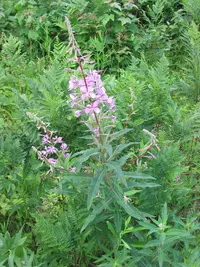
Java aerva Care (Aerva javanica)

Also known as: kapok bush
Java aerva

About Java aerva

Java aerva (Aerva javanica) is a drought-tolerant perennial subshrub native to arid and semi-arid regions of South Asia, the Middle East, and parts of Africa. It often grows in sandy, disturbed soils and desert margins.

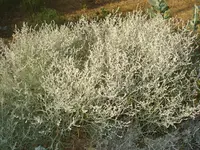
The plant forms loose, bushy clumps with many slender stems and small, grey-green leaves that help reduce water loss. Its fluffy, off-white flower spikes add a soft texture rather than strong color.

This species is adapted to high heat, strong sun, and low moisture, which generally makes it hardy in dry climates and poor soils. In cultivation, it prefers full sun, well-drained soil, and infrequent but deep watering, which simplifies how to care for Java aerva for growers in warm, dry regions.

Main Plant Requirements

Care Difficulty

Easy Care

Light Preference

Full Sun

Water Requirements

Low Water

Temperature Preference

Tropical / Frost Sensitive

Hardiness Zone

10–12

Soil Texture

Sandy, Loamy, Rocky

Soil pH

Slightly acidic (6.5–7.0), Neutral (7.0)

Soil Drainage

Well-drained

Fertilization

Minimal (feed rarely)

Get Personalized Care Plan

Scan your plant to receive care tips personalized for your specific plant

Available on iOS and Android

How to Care for the Java aerva

This sun-loving desert shrub needs strong light to stay compact and floriferous.

  • Provide 6–8 hours of direct sun daily; in very hot regions, give Java aerva light afternoon shade to reduce leaf scorch.
  • Site in open ground or an exposed bed where nearby buildings or trees do not block midday sun, especially in winter.
  • In cooler seasons, full sun all day promotes dense growth, while prolonged shade leads to lanky stems and sparse flowering.

This species prefers dry to slightly moist conditions and is sensitive to prolonged saturation.

  • Allow the top 3–5 cm of soil to dry before watering; in hot, dry weather this may happen every few days, in cooler periods far less often.
  • Use sharply drained, sandy or gritty soil so excess water runs off quickly, which suits the drought-tolerant habit of Aerva javanica.
  • Watch leaves and stems: yellowing, soft growth suggests overwatering, while crisp, drooping foliage that does not recover by evening signals underwatering.

This desert-adapted shrub thrives in warm to hot climates and is not frost hardy.

  • Ideal growth occurs around 70–95°F (21–35°C), with good tolerance of dry heat if soil is free-draining.
  • Protect plants when temperatures drop below 40°F (4°C); hard frost below 32°F (0°C) can kill top growth or the whole plant.
  • In very hot spells above 100°F (38°C), slight afternoon shade and avoiding watering during peak heat reduce stress and root damage.

This species tolerates dry conditions and usually does not need special humidity management in homes.

This plant prefers very free-draining, sandy soil that mimics arid, desert edges.

  • Use a mix of roughly 60–70% coarse sand or gritty cactus mix with 30–40% low-organic mineral topsoil.
  • Aim for pH 6.5–7.8, as Aerva javanica handles slightly acidic to slightly alkaline conditions well.
  • In heavy or compact soil, incorporate coarse sand or fine gravel to improve drainage and root aeration.
  • Avoid peat-heavy, water-retentive mixes and any site where water lingers longer than 15–20 minutes after watering.

This species can be grown successfully in containers when drainage and stability are managed carefully.

  • Choose a wide, shallow container to accommodate its spreading root system and reduce tipping in windy areas.
  • Select unglazed clay pots if faster moisture loss is needed in humid or rainy climates.
  • Raise the pot on feet or bricks so drainage holes stay clear and runoff leaves the container area quickly.

This drought-tolerant desert shrub needs only light feeding in poor soils, as many Aerva javanica plants perform well without rich fertilizer.

  • In very lean or sandy soils, use a light top-dressing of compost once in spring to support growth.
  • If using fertilizer, choose a balanced NPK product at 1/4 strength to avoid soft, weak growth.
  • Apply no more than once in spring and midsummer during active growth, skipping feeding in winter or dormancy.

Pruning Aerva javanica is mainly done to maintain shape and remove declining growth.

  • Best time is late winter to early spring before vigorous new growth starts.
  • Remove dead, damaged, or crossing stems with sharp, clean hand pruners.
  • Lightly shorten overly long shoots to keep a compact, bushy form and encourage fresh growth.
  • Avoid heavy cutting into very old wood; leave healthy green stems to maintain plant vigor.

This species is usually grown in the ground, so focus on transplanting rather than frequent repotting.

  • Transplant young plants in spring or early fall, when weather is mild and soil is workable.
  • Choose a sunny, very well-drained site with gritty or sandy soil to mimic its native conditions.
  • Move plants only when root systems are well established but not root-bound or circling tightly in containers.
  • Water deeply after transplanting, then reduce watering to normal levels once new growth shows reduced stress.

Aerva javanica is commonly propagated by seed and sometimes by semi-ripe cuttings.

  • Sow seeds in spring in a warm, bright spot using a free-draining sandy mix.
  • Lightly cover seeds and keep the mix just moist, not wet, until germination.
  • For cuttings, take semi-ripe tips in late spring to summer and insert into a gritty, well-drained medium.
  • Provide bottom warmth and good air movement to reduce rot and support fast rooting.

In mild, arid climates this plant usually needs minimal winter care once established.

  • It tolerates light frost but can be damaged by hard freezes below about 25°F, especially when young.
  • Apply a light, dry mulch around the root zone in late fall in colder regions to buffer soil temperature.
  • Container plants in marginal climates should be moved under cover or indoors to a bright, cool, frost-free place.

Care Tips

Wind-hardening seedlings

Expose young plants to increasing levels of outdoor wind over 7–10 days by moving trays to a sheltered but breezy spot, which helps them develop stronger stems before planting into open, arid sites.

Low-input weed control

Use a 5–8 cm layer of coarse gravel mulch around the base instead of organic mulch to suppress weeds while keeping the root zone dry and well aerated, which suits this desert shrub better than moisture-retentive materials.

Salt-tolerant siting

In coastal or saline-prone areas, position plants on slightly raised mounds or ridges so runoff carries excess salts away from the root zone, reducing stress and dieback over time.

Drought-reserve management

If extended drought is expected, reduce any light pruning and avoid cutting green stems so the plant can rely on its full woody framework and root reserves to cope with water scarcity.

Seed collection timing

Collect seeds when flower heads turn straw-colored and begin to fluff, then dry them in a paper bag in a shaded, airy place for 5–7 days to ensure clean, viable seed for growing Java aerva in future seasons.

Common Pests and Diseases

Scale insects

This pest attaches to stems and leaf bases, sucking sap and leading to yellowing, stunted growth, and sooty mold on the tough, wiry foliage. Infestations are more common on older plants growing in hot, dry, sheltered sites.

Solution

Scrape or wipe off visible scale with a soft brush or cloth, then wash stems thoroughly with a mild insecticidal soap or horticultural oil, repeating every 7–10 days until new growth is clean. Reduce excess nitrogen fertilization and avoid overhead watering that keeps stems damp, as this favors sooty mold development on honeydew deposits.

Mealybugs

These insects hide in leaf axils and along the wiry stems, forming white cottony clusters and weakening plants by removing sap. Symptoms include poor growth and distorted new shoots on otherwise drought-hardy plants.

Solution

Prune out heavily infested stem sections and dispose of them, then spot-treat remaining clusters with a cotton swab dipped in 70% isopropyl alcohol. For larger plants, use repeated applications of insecticidal soap or a light horticultural oil, ensuring thorough coverage of stem joints where mealybugs shelter.

Spider mites

This pest thrives on Aerva javanica in very hot, dry conditions, causing fine stippling on leaves, bronzing, and eventual leaf drop, often with delicate webbing between stems. Symptoms include a dusty appearance on foliage that worsens during prolonged drought and wind exposure.

Solution

Spray plants forcefully with water to dislodge mites, focusing on stem joints and undersides of any remaining foliage, then apply a miticidal soap or horticultural oil labeled for mites. Maintain the plant at its normal xeric moisture level but avoid prolonged extreme dryness in containers, which encourages mite buildup.

Leaf spot

This disease appears as small tan, brown, or purplish spots on leaves and young stems, sometimes merging into larger lesions that cause premature leaf drop. Symptoms include more severe spotting in humid or poorly ventilated plantings or during unseasonal rainfall.

Solution

Remove and discard affected leaves and thin crowded stems to improve airflow around the plant. Avoid overhead irrigation, water at soil level early in the day, and if spotting continues, use a copper-based or other labeled fungicide applied according to label directions during wet periods.

Stem canker

This disease causes sunken, dark lesions on lower stems, sometimes girdling them and leading to dieback of the upper plant in overwatered or compacted soils. Symptoms include localized wilting above the lesion while other sections remain healthy.

Solution

Cut out affected stem sections well below visible lesions and destroy the pruned material, disinfecting tools between cuts. Improve drainage, avoid frequent shallow watering, and keep mulch or debris away from stem bases to reduce moisture around the crown and discourage new infections, which supports long-term growing Java aerva in arid-style beds.

Interesting Facts

Desert pioneer shrub

This species naturally colonizes disturbed and degraded sandy habitats in arid regions from North Africa to South Asia, stabilizing loose soils and helping other plants establish later in succession.

Salt and drought tolerant

It tolerates high soil salinity and prolonged drought, surviving on very low rainfall due to deep root systems and small, hairy leaves that reduce water loss.

Key fodder in deserts

In many dryland areas it is used as emergency fodder for camels, goats, and sheep, since its foliage remains available when more palatable grasses have already dried out.

Botan icon

Did you know?

In parts of its native range, the dense, soft flower spikes of this species are traditionally collected and used as stuffing material for cushions and pillows, taking advantage of their light, wool-like texture.

FAQs about Java aerva

This species spreads moderately by seed and short creeping stems. In suitable dry, open sites it can form loose patches but rarely becomes a serious garden problem if old flower heads are removed and unwanted seedlings are pulled early.

Grow Healthy Plants with Botan Care

Keep your plants happy and healthy with plant identification, disease detection, and easy care guidance.

Botan plant care app — identify plants on mobile

Explore More Plants