Frequent Succession Sowing
Start new batches from seed every 6–8 weeks during the warm season, so you always have young, vigorous plants and avoid relying on older, declining specimens.

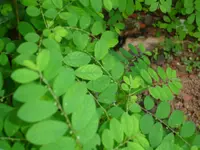
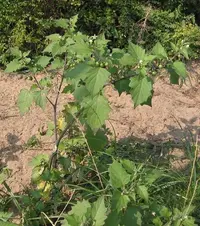
Gale of the wind (Phyllanthus niruri) is a small annual herb that often appears in disturbed ground, fields, and garden edges in warm regions. It forms a slender, upright stem with many tiny leaf-like structures arranged along the sides, giving it a delicate, airy look.
This species is native to tropical areas, especially in South America and parts of Asia, but now grows in many warm, humid climates. It can self-seed easily where conditions are suitable, so it often behaves like a weed.
Phyllanthus niruri prefers bright light, regular moisture, and well-drained soil. These traits make it relatively simple to care for gale of the wind if its light and water needs are met.

Care Difficulty
Moderate Care

Light Preference
Full Sun

Water Requirements
Regular Water

Temperature Preference
Tropical / Frost Sensitive

Hardiness Zone
10–12

Soil Texture
Sandy, Loamy, Organic-rich

Soil pH
Acidic (5.5–6.5), Slightly acidic (6.5–7.0)

Soil Drainage
Moist but well-drained

Fertilization
Minimal (feed rarely)
Scan your plant to receive care tips personalized for your specific plant
Available on iOS and Android
Phyllanthus niruri prefers bright outdoor conditions with protection from harsh midday sun.
Phyllanthus niruri prefers evenly moist but not waterlogged soil.
This species thrives in warm, frost-free conditions typical of tropical and subtropical climates.
Phyllanthus niruri handles a wide humidity range but grows best with moderate moisture in the air.
This species prefers light, well-draining mineral soil that does not stay waterlogged.
This species is suitable for container growing when drainage and root space are managed carefully.
This small annual herb usually grows acceptably in average soil, but light feeding improves container or intensively grown gale of the wind.
Phyllanthus niruri needs only light, corrective pruning to maintain a compact, healthy shape.
This fast-growing annual is more often transplanted than long-term potted, so focus on gentle handling and suitable soil.
Phyllanthus niruri is most commonly propagated from seeds, which germinate well in warm, moist conditions.
This tropical annual has poor frost tolerance and usually does not survive freezing outdoor conditions.

Plant Health Check
Not sure what's wrong with your plant? Check your plant's health inside the app.
The thin branches often grow outward and downward from a single central stem, displaying many small spherical capsules that hang beneath the leaves, which is unusual compared with many other herbaceous species where fruits sit above or beside the leaf blade.
This species has spread from its native American range to many tropical and subtropical regions worldwide, where it frequently appears as a volunteer weed in disturbed ground, crop fields, and urban sites due to prolific seed production.
It typically completes its life cycle within a single warm season, germinating, flowering, and setting seed rapidly, which helps it persist in places with periodic disturbance or seasonal dry periods.

Molecular and anatomical studies show that this species performs C3 photosynthesis, yet it thrives in intense tropical sunlight and poor soils, in part because its small leaves and finely divided canopy reduce overheating and water loss in exposed sites.
This species behaves as a short-lived perennial in frost-free tropical climates but is usually grown as an annual in temperate areas. It readily self-seeds, so new plants often appear each warm season even if originals die back.
Keep your plants happy and healthy with plant identification, disease detection, and easy care guidance.