
Edge Containment
Install a shallow plastic or metal edging 5–8 cm deep around planting areas to keep runners from invading lawns or beds while still allowing the mat to fill in densely inside the boundary.


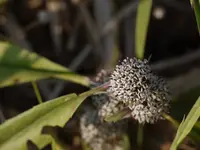
Turkey tangle fogfruit (Phyla nodiflora) is a low, spreading perennial often used as a groundcover or lawn alternative in warm climates. It forms dense mats of small leaves with tiny, button-like flower clusters that attract bees and butterflies.
This species is native to the Americas and has naturalized in many subtropical and tropical regions, especially along coasts and in disturbed sites. It is considered easy to grow because it tolerates foot traffic, mowing, and brief dry spells once established.
It prefers sun to light shade, moderately moist soil, and good drainage, which helps explain how to care for turkey tangle fogfruit in gardens or informal turf areas.

Care Difficulty
Easy Care

Light Preference
Full Sun

Water Requirements
Moderate Water

Temperature Preference
Warm Climate

Hardiness Zone
8–11

Soil Texture
Sandy, Loamy, Clay

Soil pH
Slightly acidic (6.5–7.0), Slightly alkaline (7.0–7.5)

Soil Drainage
Waterlogged tolerant

Fertilization
Minimal (feed rarely)
Scan your plant to receive care tips personalized for your specific plant
Available on iOS and Android
This low-growing groundcover prefers warm, bright conditions but adapts to varied light outdoors.
This creeping perennial prefers consistent moisture during establishment, then becomes moderately drought tolerant.
This species favors warm climates and behaves as a tender perennial or short-lived groundcover in cooler regions.
This species handles a wide humidity range and rarely needs special humidity management outdoors.
This creeping perennial thrives in moderately fertile, well-drained but moisture-retentive soil.
This species is suitable for container growing as a trailing or groundcover accent outdoors.
Phyla nodiflora is a low-nutrient, groundcover species that benefits from light feeding on poor soils only.
Phyla nodiflora responds well to light, periodic pruning to control spread and maintain a dense mat.
This species is more often transplanted in the landscape than repotted, as it functions mainly as a groundcover.
Phyla nodiflora is commonly propagated vegetatively, as its creeping stems root readily at the nodes.
In mild climates, turkey tangle fogfruit needs little winter attention, but colder regions require some basic precautions.

Plant Health Check
Not sure what's wrong with your plant? Check your plant's health inside the app.
This species can grow rooted in soil as a groundcover or as a semi-aquatic plant along pond and lake margins, where stems can float and form mats on the water surface.
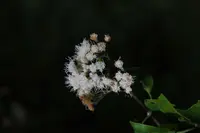
The small lilac and white flower heads produce nectar that attracts a wide range of native bees, butterflies, and other insects, making it a valuable low-growing nectar source over a long blooming season.
Phyla nodiflora naturally occurs in coastal habitats, including salt marsh edges and dune swales, and shows notable tolerance to saline soils and occasional saltwater inundation.

In some warm regions this species functions as a natural living carpet that withstands regular mowing and even light foot traffic, and it has been tested as a partial lawn substitute in low-input turf trials because of its persistence and spreading habit.
This species spreads quickly by creeping stems that root at the nodes, forming a dense mat. In mild climates it can become dominant, especially in lawns or open beds, so edging, mowing, and occasional thinning are often needed.
Keep your plants happy and healthy with plant identification, disease detection, and easy care guidance.