sticky snakeroot Care (Ageratina adenophora)

Also known as: Crofton Weed, canyon kelp, Maui pamakani, Thoroughwort, Sticky eupatorium, Mexican devil
sticky snakeroot

About sticky snakeroot

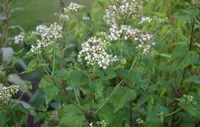
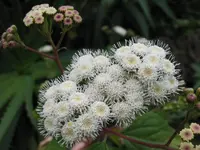
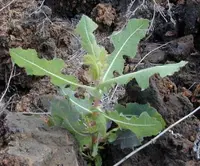
Sticky snakeroot, Ageratina adenophora, is a fast-growing perennial shrub in the daisy family, often forming dense thickets in mild and frost-free climates. It has soft, triangular, often slightly sticky leaves and clusters of fluffy white flower heads that produce large amounts of wind-dispersed seed.

This species is native to Mexico and Central America but has naturalized widely in parts of Asia, Africa, Australia, and the western United States. It is generally tough and adaptable but can spread aggressively outdoors, so containers or controlled spaces are often preferred.

Those who want to learn how to care for sticky snakeroot should know it favors bright light, moderate moisture, and well-drained soil, and it can tolerate some neglect once established.

Main Plant Requirements

Care Difficulty

Moderate Care

Light Preference

Partial Sun

Water Requirements

Moderate Water

Temperature Preference

Tropical / Frost Sensitive

Hardiness Zone

9–11

Soil Texture

Loamy, Silty, Organic-rich

Soil pH

Acidic (5.5–6.5), Slightly acidic (6.5–7.0)

Soil Drainage

Moist but well-drained

Fertilization

Minimal (feed rarely)

Get Personalized Care Plan

Scan your plant to receive care tips personalized for your specific plant

Available on iOS and Android

How to Care for the sticky snakeroot

Ageratina adenophora prefers bright, gentle light that supports steady growth without leaf scorch.

  • Provide 4–6 hours of morning sun with light afternoon shade; dappled light under taller plants suits sticky snakeroot in many gardens.
  • In hot summers, protect from intense sun between 11 am and 3 pm to reduce leaf burn and moisture stress, especially in exposed sites.
  • In cooler seasons, allow more direct sun to maintain flowering; plants in too much shade grow lanky, with fewer blooms and weaker stems.

This species prefers consistently moist but not saturated soil, with watering guided by soil feel rather than strict schedules.

  • Water when the top 3–5 cm of soil feels dry, aiming for evenly moist conditions around the root zone, especially during active summer growth.
  • Ensure well-drained soil or raised beds to prevent waterlogging; yellowing, wilting, and soft stems often indicate overwatering and poor aeration.
  • In cooler or rainy seasons, reduce watering and allow the surface to dry slightly more; crisp leaf edges and drooping tips usually signal underwatering.

This plant grows best in mild, frost-free climates with moderate seasonal variation.

  • Optimal growth occurs around 65–80°F (18–27°C), where stems elongate steadily and flowering is most reliable.
  • It tolerates brief drops to about 28–30°F (-2 to -1°C), but repeated or hard frosts can kill top growth and may damage the root crown.
  • In hot regions, it withstands up to about 90°F (32°C) if soil moisture is maintained, but prolonged heat plus drought increases stress and dieback.

This species tolerates a wide humidity range but grows best with moderate ambient moisture.

  • Aim for 40–60% humidity; typical indoor levels in many homes are acceptable for sticky snakeroot.
  • Leaves curling, browning at edges, or drying flower buds can indicate air that is too dry or rapidly fluctuating humidity.
  • Increase local humidity with nearby water trays or grouped plants rather than misting, which offers only brief changes and can encourage foliar disease.

This plant prefers loose, moist, well-drained soil that does not stay waterlogged.

  • Use a loamy mix with 40–50% general-purpose potting soil, 25–30% compost, and 20–30% coarse material such as perlite or pine bark for aeration.
  • Ensure excess water drains freely; water should pass through within a few seconds rather than pooling on the surface.
  • Aim for slightly acidic to neutral pH around 6.0–7.0, which suits nutrient uptake for Ageratina adenophora.
  • Avoid heavy, compacted clay or constantly soggy soil, which restricts roots and increases risk of rot.

This species can be grown successfully in containers when given enough root space and stable support.

  • Choose a relatively deep, wide pot to accommodate its spreading root system and reduce the risk of the plant becoming root-bound quickly.
  • Select a heavier material such as ceramic or thick plastic to stabilize tall, leafy stems against wind and accidental knocks.
  • Elevate the pot on feet or bricks so drainage holes stay clear and runoff exits quickly, preventing water from accumulating under the container.

Ageratina adenophora grows vigorously in average soil and only benefits from light, controlled feeding in containers or poor ground conditions.

  • Use a balanced, diluted liquid fertilizer (for example 10-10-10 at 1/2 strength) for potted sticky snakeroot during active growth.
  • Feed every 4–6 weeks in spring and summer; skip or greatly reduce feeding in fall and winter.
  • On poor garden soils, work in a thin layer of well-rotted compost once in spring instead of frequent synthetic fertilizer.
  • Avoid high-nitrogen products that push weak, lush growth and increase flopping or pest issues.

Pruning Ageratina adenophora keeps plants dense, limits spread, and maintains good flowering performance.

  • Cut back dead, damaged, or diseased stems at the base in late winter or very early spring before new growth starts.
  • After main flowering, shear back spent flower heads and the top 1/3 of stems to encourage bushier regrowth.
  • Thin out crowded or crossing stems with clean bypass pruners to improve air flow and reduce fungal problems.
  • Remove unwanted seedlings at ground level to prevent invasiveness and maintain a controlled clump shape.

This species is more often grown in the ground, so transplanting and boundary control are usually more relevant than frequent repotting.

  • Transplant in early spring or early fall when weather is mild, keeping as much root ball intact as possible.
  • Move plants when growth declines, clumps become congested, or stems shade neighboring species excessively.
  • For container specimens, shift to a 2–5 cm wider pot every 1–2 years when roots circle the sides or emerge from drainage holes.
  • Water thoroughly before and after moving, keep roots shaded, and trim back top growth slightly to reduce transplant stress.

Ageratina adenophora is typically propagated by stem cuttings, division, or seed where allowed, though in many areas it is invasive and should not be spread.

  • Take 8–12 cm softwood cuttings in late spring, insert into moist, free-draining mix, and maintain high humidity until rooted.
  • Divide established clumps in early spring, replanting divisions promptly at the same depth and watering well.
  • Sow seeds on the surface of moist seed mix in spring, keeping them lightly pressed in and warm for germination.
  • Check local regulations before any propagation, as this plant is a noxious or restricted species in some regions.

In mild climates this plant behaves as a semi-evergreen perennial, but in colder regions it dies back to the base and may need some root protection.

  • In USDA zones roughly 9–11, plants usually overwinter outdoors without major damage from light frosts.
  • In cooler areas, cut back blackened top growth after hard frost and mulch the root zone with 5–8 cm of organic material.
  • Container plants in marginal climates should be moved to a frost-free, bright area before repeated freezes.

Care Tips

Control Root Spread

Install a root barrier or plant in large containers set on paving or heavy landscape fabric to limit underground spread and make long-term management of this invasive species more predictable.

Deadhead Before Seeding

Shear off all spent flower heads before seeds form to reduce self-seeding and prevent the plant from colonizing nearby beds, slopes, or natural areas.

Monitor Toxicity Zones

Avoid planting near grazing areas, paddocks, or forage production zones because foliage is toxic to livestock, and promptly remove any seedlings that appear in those areas.

Layered Stem Propagation

For controlled propagation, pin a low, flexible stem to the soil surface under a thin layer of mix, wait for roots to form, then sever and pot up, rather than relying on uncontrolled seeding when growing sticky snakeroot.

Seasonal Biomass Removal

Cut plants back hard at the end of the growing season and remove all green waste from the site to reduce seed carryover, fungal disease pressure, and unwanted spread via dumped plant material.

Common Pests and Diseases

Rust fungus

This disease causes small orange to brown pustules on the undersides of leaves and can lead to yellowing and premature leaf drop. Symptoms include reduced vigor in dense, humid plantings.

Solution

Remove and destroy heavily infected leaves to reduce spore load, then thin or prune plants to improve airflow and lower leaf humidity. Avoid overhead watering, keep foliage as dry as possible, and if needed apply a sulfur or copper-based fungicide labeled for ornamental rust, following the label directions carefully.

Powdery mildew

This disease presents as a white, powdery coating on leaves and stems, often spreading quickly in shaded, crowded stands. Symptoms include distorted new growth and gradual decline of plant vigor.

Solution

Increase light and air movement around plants by spacing and pruning, and remove the most affected leaves to slow spread. Use a horticultural oil, potassium bicarbonate, or neem-based product labeled for powdery mildew, applied thoroughly to both leaf surfaces according to directions.

Leaf spot complex

This disease group causes dark, irregular spots or blotches on leaves that may coalesce and cause partial defoliation, especially in wet seasons. Symptoms include a patchy, scorched appearance on older foliage while stems remain alive.

Solution

Collect and dispose of fallen or spotted leaves to remove inoculum, and avoid wetting foliage when watering. In severe, recurrent cases, apply a broad-spectrum ornamental fungicide during prolonged wet periods and maintain good spacing to promote fast leaf drying.

Stem canker

This disease produces sunken, discolored lesions on stems that can girdle shoots and cause wilting or dieback above the affected area. Symptoms include brittle, darkened stems and stunted regrowth from the base.

Solution

Cut out and destroy affected stems several inches below visible damage, disinfecting pruning tools between cuts with alcohol or a 10% bleach solution. Improve plant vigor with adequate but not excessive watering, reduce mechanical injury to stems, and avoid heavy nitrogen fertilization that promotes weak, soft growth.

Leaf-feeding caterpillars

These insects chew irregular holes in leaves and can strip foliage on young or stressed plants when populations build up. Symptoms include ragged leaf margins, skeletonized leaves, and visible frass (droppings) on foliage or the ground.

Solution

Handpick caterpillars where practical and remove heavily damaged shoots to encourage new growth. Encourage natural predators, and when needed use a targeted biological product containing Bacillus thuringiensis (Bt) applied to young foliage during active feeding, following label instructions; this approach supports more sustainable Ageratina adenophora plant care in invaded areas.

Interesting Facts

Highly toxic to livestock

This species contains pyrrolizidine alkaloids that damage the liver of cattle, horses, and other grazing animals, causing chronic poisoning when eaten over time.

Efficient clonal spread

Besides spreading large numbers of wind‑dispersed seeds, it can regenerate from small stem fragments, which helps it rapidly colonize disturbed ground and roadsides.

Strong allelopathic effects

Its roots and leaf litter release chemicals that inhibit germination and growth of neighboring plants, giving it a competitive advantage in invaded ecosystems and complicating Ageratina adenophora care in mixed plantings.

Botan icon

Did you know?

In parts of Asia and Africa, this shrub has transformed entire hillsides and river valleys after introduction, becoming one of the region’s most studied invasive weeds because its dense thickets displace native understory plants and alter fire regimes.

FAQs about sticky snakeroot

This species is highly invasive in many mild, frost-free regions. It spreads rapidly by wind-dispersed seeds and creeping roots, outcompeting native plants. Always check local regulations and avoid planting it near natural areas or waterways.

Grow Healthy Plants with Botan Care

Keep your plants happy and healthy with plant identification, disease detection, and easy care guidance.

Botan plant care app — identify plants on mobile

Explore More Plants