Aleppo Woad Care (Isatis lusitanica)

Aleppo Woad

About Aleppo Woad

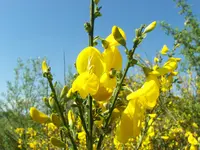
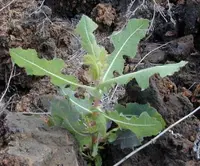
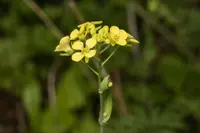
Aleppo woad, Isatis lusitanica, is a short-lived herbaceous plant in the mustard family grown mainly for its blue dye and ornamental value. It typically forms a leafy rosette and sends up upright flowering stems with small yellow blooms followed by decorative, winged seed pods.

This species is native to Mediterranean regions, where it grows in dry, open habitats and poor, often rocky soils. It tends to self-seed readily, which can make it persistent in suitable climates.

In gardens it prefers full sun, well-drained soil, and relatively dry conditions, which simplifies how to care for Aleppo Woad in low-maintenance plantings.

Main Plant Requirements

Care Difficulty

Easy Care

Light Preference

Full Sun

Water Requirements

Moderate Water

Temperature Preference

Cool Climate

Hardiness Zone

6–9

Soil Texture

Sandy, Loamy

Soil pH

Slightly acidic (6.5–7.0), Neutral (7.0)

Soil Drainage

Well-drained

Fertilization

Minimal (feed rarely)

Get Personalized Care Plan

Scan your plant to receive care tips personalized for your specific plant

Available on iOS and Android

How to Care for the Aleppo Woad

This Mediterranean biennial prefers bright, open conditions to produce strong growth and good flowering.

  • Provide 6–8 hours of direct sun daily; morning and early afternoon sun suit Aleppo Woad best in most temperate climates.
  • Tolerates light partial shade, especially with 3–4 hours of direct morning sun, but stems may elongate and flowering can decrease in deeper shade.
  • In hot summers, protect from intense late-afternoon sun with light shade to reduce leaf scorch and moisture stress, especially on dry, exposed sites.

This species prefers evenly moist but not saturated soil, with drying periods between waterings once established.

  • Water when the top 3–5 cm of soil feel dry; in the ground, this often means deeper but less frequent soakings rather than light surface sprinkling.
  • Ensure sharply drained soil; persistent wetness, wilting with dark, soft stems, or a sour smell in the root zone suggests overwatering in Isatis lusitanica.
  • During hot, dry periods increase watering frequency, watching for dull, folding, or drooping leaves as an indicator of drought stress.

This plant prefers mild conditions and behaves as a cool-season biennial in many climates.

  • Optimal growth occurs around 55–70°F (13–21°C), particularly during rosette formation and early stem elongation.
  • Plants tolerate light frost down to about 25°F (-4°C); prolonged drops below this can damage foliage, especially young plants.
  • Mature plants handle dry summer heat up to about 85–90°F (29–32°C) if soil moisture is maintained, but growth slows in sustained high temperatures.

This Mediterranean biennial tolerates a wide humidity range and rarely needs special humidity management.

  • Performs reliably at 30–60% relative humidity, similar to most heated and air‑conditioned homes.
  • Tolerates dry indoor air well, so caring for Aleppo Woad usually does not require humidifiers or pebble trays.
  • Humidity stress shows mainly as crispy leaf edges combined with heat or drought, so prioritize adequate watering over humidity adjustment.

Isatis lusitanica prefers light, well‑drained mineral soils that do not stay wet after rain or watering.

  • Use a sandy or sandy‑loam mix with moderate organic matter, such as 50–60% all‑purpose mix blended with 40–50% coarse sand or grit.
  • Aim for slightly alkaline to neutral pH, around 7.0–7.8; avoid strongly acidic substrates that can limit nutrient availability for this brassica relative.
  • Ensure fast drainage and aeration by including coarse particles (sharp sand, fine gravel, or perlite) rather than only peat‑based components.
  • Avoid heavy clay, compacted, or waterlogged soils, which increase root disease risk and shorten plant lifespan in the flowering year.

This species adapts reasonably well to container growing outdoors for its short biennial life cycle.

  • Choose a pot at least 25–30 cm deep so the taproot can develop without kinking, which helps support upright flowering stems.
  • Use a heavier material such as terracotta or ceramic to stabilize tall seed stalks against wind and reduce tipping risk.
  • Raise the container on pot feet or bricks to keep drainage holes clear and prevent water pooling under the base after rain.

Isatis lusitanica grows reasonably well in lean soils but benefits from light feeding in poor or depleted ground.

  • Use a balanced, low-strength liquid fertilizer (for example 10-10-10) at 1/2–1/4 label rate during active spring–summer growth.
  • Apply every 4–6 weeks only if plants show pale foliage or weak growth, avoiding already fertile beds.
  • Incorporate a thin layer of well-rotted compost around plants once per year instead of frequent high-nitrogen feeds.
  • Stop feeding Aleppo Woad in late summer to early fall to allow growth to harden before cold weather.

Pruning Isatis lusitanica is straightforward and mainly used to maintain plant health and shape.

  • Cut back dead, diseased, or storm-damaged stems at the base at any time using clean, sharp hand pruners.
  • In late spring to early summer, lightly trim straggly or overcrowded shoots to keep a compact, upright form.
  • Remove spent flowering stems if seed is not required, which can reduce self-seeding and tidy the plant.
  • Disinfect pruning tools with alcohol or a bleach solution to limit disease spread between plants.

This species is more often grown in beds than containers, so focus on careful outdoor transplanting rather than frequent repotting.

  • Transplant young plants in early spring or early fall, when temperatures are mild and soil is evenly moist.
  • Move plants only when rootballs hold together, avoiding individuals with thick taproots that resent disturbance.
  • Choose a sunny site with well-drained soil, planting at the same depth and firming soil gently around roots.
  • Water thoroughly after transplanting, then keep soil slightly moist for 1–2 weeks to reduce transplant shock.

New plants of Isatis lusitanica are most reliably produced from seed under suitable temperature and moisture conditions.

  • Sow fresh seeds in late summer to early fall outdoors, or in early spring under cover for cooler regions.
  • Use a free-draining seed mix, barely cover seeds, and keep moisture even but not waterlogged until germination.
  • Maintain temperatures around 60–70°F and provide bright, indirect light to support strong seedling development.
  • Transplant seedlings once they have 2–3 true leaves, handling by the leaves and disturbing roots as little as possible.

Isatis lusitanica is generally cold hardy in temperate climates and needs only minimal winter attention in the ground.

  • In regions with colder winters than usual range, apply a 5–8 cm mulch layer to insulate the root zone.
  • Avoid waterlogged soil in winter by ensuring good drainage, especially in heavy clay sites.
  • For container plants in frosty areas, move pots into a cold frame, unheated greenhouse, or sheltered porch.

Care Tips

Timely basal harvest

Cut flowering stems low at the base just as the first buds show color to encourage side shoots and extend the usable foliage period for dye or ornamental use when growing Aleppo Woad.

Staggered sowing blocks

Sow small blocks of seed every 2–3 weeks in late winter and spring so plants mature in waves, giving a longer window for foliage and flower harvest rather than one short flush.

Deep root accommodation

Prepare a cultivated layer at least 25–30 cm deep and avoid compacting the soil surface so the strong taproot can penetrate easily and anchor plants against wind.

Targeted flower thinning

On crowded stands, remove some central flower stalks early to reduce competition, which results in sturdier remaining stems and more accessible seed pods for collection.

Seed pod monitoring

Inspect pods frequently as they turn from green to straw-colored and cut entire stems to dry under cover, preventing shattering and loss of viable seed in windy or rainy weather.

Common Pests and Diseases

Flea beetles

These insects chew many tiny round holes in young leaves, giving foliage a shot‑holed or lace‑like appearance and sometimes stunting growth in seedlings.

Solution

Use floating row covers to protect emerging seedlings, keep nearby weeds down to reduce beetle habitat, and if needed apply a spinosad or pyrethrin-based spray in the evening, targeting leaves where beetles are most active.

Cabbage aphids

This pest forms dense gray‑green colonies on stems, young leaves, and flower stalks, often causing leaf curling, sticky honeydew, and sooty mold growth.

Solution

Dislodge colonies with a firm stream of water, remove heavily infested shoots, encourage natural predators such as lady beetles, and use insecticidal soap or a horticultural oil spray, ensuring thorough coverage of leaf undersides.

Downy mildew

This disease causes pale yellow to light green patches on upper leaf surfaces, with fuzzy gray‑white growth on the undersides in humid conditions, leading to distortion and premature leaf drop.

Solution

Improve air circulation, avoid overhead watering, promptly remove and destroy affected leaves, and rotate plantings away from Brassicaceae beds for at least 2–3 years; in high-pressure situations, use a labeled copper or phosphonate fungicide as a preventative spray.

Alternaria leaf spot

Symptoms include dark, circular to irregular spots with concentric rings on leaves, which can merge into larger lesions and cause foliage to yellow and drop.

Solution

Remove and discard infected plant material, keep foliage dry by watering at soil level, reduce crowding between plants, and practice 2–3 year crop rotation; in recurring cases, apply a labeled protectant fungicide before wet weather to reduce new infections.

Clubroot

This disease causes swollen, distorted roots and above-ground symptoms such as wilting in warm weather, stunting, and yellowing, even when soil moisture seems adequate.

Solution

Remove and destroy affected plants including as much root as possible, avoid planting Brassicaceae in the same bed for at least 4–7 years, raise soil pH toward 7.2 with agricultural lime, and use clean tools and footware to avoid spreading contaminated soil to new areas when growing Aleppo Woad.

Interesting Facts

Iberian endemic dye plant

This species is naturally restricted mainly to the western Mediterranean, especially the Iberian Peninsula, where it has been historically gathered as a minor local source of blue dye, though it was far less important than the related woad, Isatis tinctoria.

Preference for dry habitats

It typically grows on dry, open, often rocky slopes and disturbed ground, showing a clear adaptation to relatively low-nutrient, well-drained soils in Mediterranean climates.

Distinctive seed wings

The plant produces flattened, winged fruits called samaras, with a characteristic translucent wing around the seed that aids short-distance wind dispersal and is a useful feature for field identification.

FAQs about Aleppo Woad

Flowering failure often comes from nutrient imbalance, especially excess nitrogen, or from plants being too shaded or crowded. Ensure full sun, moderately fertile soil, and avoid high-nitrogen fertilizers so energy is directed toward flower and seed production.

Grow Healthy Plants with Botan Care

Keep your plants happy and healthy with plant identification, disease detection, and easy care guidance.

Botan plant care app — identify plants on mobile

Explore More Plants