stinking chamomile Care (Anthemis cotula)

Also known as: Mayweed, Stinking mayweed, Common Dogfennel, Dogfennel, Foetid Chamomile, Poison Daisy
stinking chamomile

About stinking chamomile

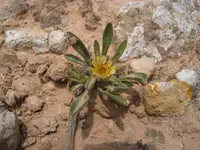
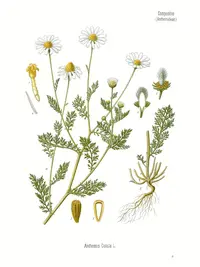
Stinking chamomile (Anthemis cotula) is an annual herb in the daisy family, known for its strong, unpleasant smell when crushed. It forms branching, upright stems with finely divided, feathery leaves and small, white, daisy-like flower heads with yellow centers.

The species is native to parts of Europe and western Asia but has naturalized widely in North America, often appearing in fields, roadsides, and disturbed soils. It tends to grow easily and can become weedy, but understanding how to care for stinking chamomile helps manage it in a garden setting.

It generally prefers full sun, well-drained soil, and moderate moisture, tolerating poor ground where many ornamentals struggle.

Main Plant Requirements

Care Difficulty

Easy Care

Light Preference

Full Sun

Water Requirements

Low Water

Temperature Preference

Cool Climate

Hardiness Zone

5–9

Soil Texture

Sandy, Loamy, Rocky

Soil pH

Slightly acidic (6.5–7.0), Neutral (7.0)

Soil Drainage

Well-drained

Fertilization

Minimal (feed rarely)

Get Personalized Care Plan

Scan your plant to receive care tips personalized for your specific plant

Available on iOS and Android

How to Care for the stinking chamomile

Anthemis cotula prefers bright, open sites that mimic sunny meadows and disturbed fields.

  • Provide full sun for 6–8 hours per day; light afternoon shade is acceptable in very hot, dry regions.
  • In partial shade (3–4 hours of direct sun), expect looser growth and fewer flowers on stinking chamomile.
  • Plants in too much shade stretch, flop, and flower poorly, while extreme all-day sun on dry, shallow soils can cause scorching and premature browning.

Anthemis cotula prefers dry to moderately moist soil and is more tolerant of drought than excess water.

  • Allow the top 3–5 cm of soil to dry between rains or irrigations; drought may cause temporary wilting, but plants usually recover after moisture returns.
  • Use well-drained, sandy or gravelly soil to prevent standing water; soggy sites increase root rot and reduce vigor.
  • Reduce supplemental watering in cool seasons; signs of overwatering include yellowing, soft stems, and lingering wet soil, while crisp, browning foliage suggests prolonged dryness.

This species thrives in temperate climates with cool to warm conditions rather than extreme heat or severe cold.

  • Optimal growth occurs around 60–75°F (16–24°C), with flowering best in mild spring and early summer conditions.
  • Mature plants tolerate short dips to about 25°F (−4°C), but hard freezes below this can kill top growth or entire plants, especially seedlings.
  • Heat above 90°F (32°C), combined with drought, can cause rapid decline, so field-grown stands often perform best in cooler seasons or with occasional rain.

Humidity is rarely critical for Anthemis cotula, which prefers dry, airy conditions typical of outdoor sites.

Anthemis cotula prefers lean, well-drained soils that do not stay wet for long.

  • Use sandy or sandy-loam soil with a gritty structure to keep pores open and prevent waterlogging.
  • Aim for slightly acidic to neutral pH around 6.0–7.0, avoiding very acidic or strongly alkaline sites.
  • Blend native soil with coarse sand or fine gravel to boost drainage, especially in heavier garden soils.
  • Avoid rich, high-peat mixes or compacted clay, which hold excessive moisture and increase root rot risk.

This species can be grown in containers outdoors if drainage and root space are carefully managed.

  • Choose a wide, shallow pot to accommodate its fibrous root system and spreading habit without deep, soggy soil layers.
  • Use a fast-draining mix with extra coarse sand or fine gravel so rainwater moves quickly through the root zone.
  • Prefer unglazed terracotta in windy sites because its heavier weight improves stability for the plant’s branching growth.

Anthemis cotula grows in poor soils and usually needs minimal feeding.

  • If growth is weak in very depleted soil, apply a light layer of compost in early spring and mix gently into the top 2–3 cm.
  • Use a low-dose balanced NPK fertilizer at 1/2 strength once at the start of the growing season if leaves are pale.
  • Avoid summer overfeeding; excess nutrients reduce flowering and can make stinking chamomile floppy.
  • Do not fertilize in winter or dormancy periods, especially in cold climates.

Pruning Anthemis cotula helps maintain compact growth and sustained flowering.

  • Best time for major cuts is late winter or very early spring before strong new growth begins.
  • During the growing season, shear back spent flower stems by 1/3 to encourage new blooms and denser foliage.
  • Remove dead, diseased, or badly crowded stems with clean hand pruners to improve airflow and reduce fungal issues.
  • Lightly neaten plant shape after main flushes of bloom, avoiding cutting into woody, brown bases.

This species is most often grown in the ground, so care focuses on transplanting rather than frequent repotting.

  • Transplant seedlings or young Anthemis cotula plants in early spring or early fall when temperatures are mild.
  • Choose a sunny site with very well-drained, lean soil; amend heavy clay with grit or coarse sand to limit root rot.
  • Move plants only if growth stalls or roots fill and circle a container; handle the root ball gently to limit disturbance.
  • Water thoroughly right after transplanting, then allow soil to dry slightly between waterings to encourage new root growth.

Anthemis cotula is usually propagated by seed, which suits its annual or short-lived habit.

  • Sow fresh seed in early spring directly outdoors where plants will grow, after the soil is workable.
  • For earlier blooms, start seeds indoors 6–8 weeks before the last frost under bright light and good airflow.
  • Press seeds lightly into the surface of well-draining mix; they germinate better with light and only a thin covering.
  • Keep the substrate just moist at 60–70°F until germination, then thin seedlings to avoid crowding and weak stems.

In most climates this plant behaves as an annual or short-lived self-seeder, so winter care is usually minimal.

  • In colder regions, expect above-ground growth of Anthemis cotula to die back with hard frosts.
  • Allow some seedheads to remain so plants can self-sow and reappear the following season without extra protection.
  • Container-grown plants in mild climates can be overwintered in a cool, bright, frost-free spot with very light watering.

Care Tips

Early growth control

Pinch back young shoots when plants are 10–15 cm tall to keep them compact, reduce flopping, and limit self-seeding into unwanted areas.

Managed self-seeding

Allow only a few healthy plants to set seed in a controlled patch, then shallowly rake the soil surface to encourage an even self-sown stand while removing stray seedlings in nearby beds and paths.

Targeted support stakes

In windy or exposed sites, insert thin bamboo canes and loosely tie stems before they reach full height to prevent lodging and stem breakage while maintaining good air movement around the foliage.

Cutting for regrowth

Shear back spent flowering stems by 1/3–1/2 after the main flush to encourage a tidier plant and a lighter, secondary bloom while also reducing unwanted seed set.

Sanitation for spread control

Bag and remove seed-heavy flower heads and dried plant debris at season’s end to limit invasive spread and simplify caring for stinking chamomile in mixed borders or wildflower strips.

Common Pests and Diseases

Aster yellows

This disease causes yellowing, stunted growth, distorted leaves, and often misshapen, greenish flowers that fail to set normal seed. Symptoms include general decline even when soil moisture and nutrients are adequate.

Solution

Remove and destroy symptomatic plants promptly to reduce the source of infection, since aster yellows is caused by a phytoplasma that cannot be cured. Control leafhopper vectors with fine mesh row covers or targeted insecticidal soap sprays, and keep nearby weedy hosts in check to reduce disease pressure when growing stinking chamomile near more valuable crops or ornamentals.

Powdery mildew

This disease appears as white, powdery patches on leaves and stems, leading to reduced vigor and premature leaf drop in dense stands. Symptoms include a dusty coating that can spread quickly during warm, dry days with humid nights.

Solution

Thin crowded plants, improve air circulation, and avoid overhead watering so foliage dries quickly. Remove heavily infected plant material and, if needed, apply a sulfur or potassium bicarbonate-based fungicide according to label directions to protect nearby plants.

Leafhoppers

These insects feed by sucking sap from leaves and stems, causing pale stippling, leaf curling, and a general decline in plant vigor. This pest also acts as a vector for aster yellows in stinking chamomile populations.

Solution

Monitor plants regularly and use a strong water spray to dislodge insects from foliage. For persistent infestations, use insecticidal soap or neem oil in the early morning or evening, and reduce weedy vegetation around the planting site to limit leafhopper habitat.

Aphids

These insects cluster on young stems and flower stalks, extracting sap and causing curling, distortion, and sticky honeydew that can attract sooty mold. Symptoms include stunted growth and reduced flowering in dense patches.

Solution

Prune and discard heavily infested stems, then wash remaining plants with a firm stream of water to remove most aphids. Follow with applications of insecticidal soap or horticultural oil as needed, targeting the undersides of leaves and new growth while encouraging natural predators such as lady beetles and lacewings.

Interesting Facts

Strong, acrid scent

Crushed foliage and flowers release a pungent, often unpleasant odor caused by its essential oil profile, which is why it is commonly called stinking chamomile.

Livestock toxicity

This species is known to be toxic to grazing animals such as cattle and horses when eaten in quantity, primarily due to irritating compounds in its tissues that can affect the digestive system.

Weed of disturbed soils

It is a fast-establishing annual that thrives in disturbed habitats such as crop fields, roadsides, and construction sites, where it can form dense stands and compete strongly with young crops.

Botan icon

Did you know?

Despite its common name and daisy-like appearance, this plant is not used in traditional chamomile teas because of its strong odor and potential toxicity, and is often listed as a noxious or troublesome weed in agricultural regulations in several regions.

FAQs about stinking chamomile

This species self-seeds very freely and can spread quickly in open soil or disturbed ground. Regular deadheading before seeds set and prompt removal of unwanted seedlings are important parts of Anthemis cotula plant care in managed gardens.

Grow Healthy Plants with Botan Care

Keep your plants happy and healthy with plant identification, disease detection, and easy care guidance.


Botan plant care app — identify plants on mobile

Explore More Plants