Chios Chamomile Care (Anthemis chia)

Chios Chamomile

About Chios Chamomile

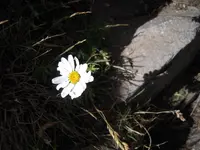
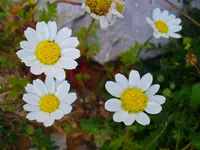
Chios chamomile (Anthemis chia) is a small, aromatic Mediterranean herb in the daisy family, valued for its fragrant foliage and traditional uses. It typically forms low, branching clumps with finely divided, gray-green leaves and small white flower heads with yellow centers.

In nature it is found mainly on the Greek island of Chios and nearby regions, often in dry, rocky sites with strong sun. The plant is relatively easy to grow if given well-drained soil, good light, and moderate moisture, making it suitable for rock gardens, herb beds, and low-maintenance borders.

Gardeners who learn how to care for Chios Chamomile usually appreciate its drought tolerance and compact growth, which suit smaller outdoor spaces and informal plantings.

Main Plant Requirements

Care Difficulty

Easy Care

Light Preference

Full Sun

Water Requirements

Low Water

Temperature Preference

Warm Climate

Hardiness Zone

8–11

Soil Texture

Sandy, Loamy, Rocky

Soil pH

Slightly acidic (6.5–7.0), Slightly alkaline (7.0–7.5)

Soil Drainage

Well-drained

Fertilization

Minimal (feed rarely)

Get Personalized Care Plan

Scan your plant to receive care tips personalized for your specific plant

Available on iOS and Android

How to Care for the Chios Chamomile

This sun-loving Mediterranean herb needs strong light to flower and stay compact.

  • Provide 6–8 hours of direct sun daily; morning and early afternoon sun suit Chios Chamomile best in most US climates.
  • In very hot summers, give light afternoon shade to prevent leaf scorch and excessively dry soil, especially in exposed sites.
  • If stems stretch, foliage pales, or flowering declines, the plant is not getting enough direct light; move or replant to a more open, south- or west-facing position.

This drought-tolerant perennial prefers thorough but infrequent watering once established.

  • Allow the top 3–5 cm of soil to dry before watering; in well-drained ground this often means waiting until foliage just begins to lose its perkiness.
  • Use gritty, fast-draining soil or a raised bed so water does not pool around the crown; Anthemis chia is prone to root rot in heavy, saturated clay.
  • Reduce watering in cool seasons; signs of overwatering include yellowing, limp leaves and a sour soil smell, while crisp, browning tips suggest underwatering.

This species prefers mild, dry conditions and tolerates a fair range of outdoor temperatures.

  • Optimal growth occurs around 60–75°F (16–24°C), especially in bright, dry weather with good air movement.
  • Plants tolerate down to about 20–25°F (-6 to -4°C) once established, but hard freezes below this can damage crowns, so mulch lightly in colder regions.
  • In hot climates, the plant copes with 85–95°F (29–35°C) if soil is not waterlogged; prolonged extreme heat with high humidity may reduce flowering and vigor.

This species prefers relatively dry air and usually does not need special humidity management.

  • Target 30–50% humidity, similar to most heated indoor homes in temperate climates.
  • Dry air is tolerated well; leaf yellowing and limp growth usually indicate root or watering issues rather than humidity stress.
  • If air is extremely dry and hot, group pots together away from heaters to reduce additional moisture loss from foliage.

This Mediterranean herb prefers lean, very well-drained soil that mimics its native rocky habitats.

  • Use a sandy or gritty loam with low to moderate organic matter, allowing water to pass through quickly while still holding some moisture around the roots.
  • Aim for slightly alkaline to neutral pH, around 7.0–7.8, which suits Anthemis chia and supports strong aromatic foliage development.
  • Blend roughly 50–70% coarse sand or grit with the remainder as standard potting mix plus a small portion of compost for nutrients and structure.
  • Avoid heavy clay, peat-heavy, or compacted substrates; if soil feels dense, lighten it further with perlite or small gravel to improve aeration and drainage.

This species is suitable for container growing, especially in regions with cold or very wet winters.

  • Choose a wide, shallow pot to accommodate its fibrous root system and spreading habit without encouraging waterlogged depth.
  • Use a mineral-based mix in containers, adding extra grit or pumice so the root zone dries rapidly after rain or watering.
  • Select unglazed terracotta or another porous material to help excess moisture evaporate, reducing the risk of root rot in cool conditions.

This drought-tolerant Mediterranean herb needs only light feeding in most garden soils.

  • Use a balanced, low-dose fertilizer (such as 5-5-5) or a thin layer of compost in early spring as growth resumes.
  • Feed outdoor plants once at the start of the growing season; container plants can receive a diluted balanced liquid every 4–6 weeks.
  • Dilute liquid fertilizers to 1/2–1/4 strength to avoid lush, floppy growth and reduced flowering.
  • Stop feeding in late summer so Chios Chamomile can harden growth before winter.

Thoughtful pruning keeps Anthemis chia compact, floriferous, and tidy.

  • Shear back spent flower stems in late spring and mid-summer to encourage repeat blooming and denser growth.
  • Remove dead, diseased, or damaged stems at the base using clean, sharp scissors or hand pruners.
  • Thin out weak or crowded interior shoots to improve air flow and reduce fungal issues.
  • In late winter or very early spring, lightly shape plants, avoiding harsh cuts into old, woody bases.

This species is usually grown in the ground, with transplanting more common than container repotting.

  • Transplant in early spring or early fall when temperatures are mild and soil is workable.
  • Look for crowded clumps, reduced flowering, or roots circling a small pot as signs it needs more space.
  • Move plants no more often than every 3–4 years, choosing a sunny, sharply drained site.
  • Water well before and after moving, keep root disturbance minimal, and shade briefly to reduce transplant shock.

Anthemis chia is commonly propagated by seeds and by careful division of mature clumps.

  • Sow seeds in late winter to early spring on well-drained, sandy mix; keep lightly moist and in bright light.
  • Do not bury tiny seeds deeply; press them onto the surface or cover with a very thin grit layer.
  • Divide established plants in early spring, keeping several shoots and roots in each section.
  • Replant divisions promptly, water in, and maintain even moisture until new growth shows firm establishment.

This Mediterranean perennial is moderately cold hardy and usually needs minimal winter attention in mild climates.

  • Tolerates light frosts, but prolonged freezes below about 15–20°F can damage crowns and roots.
  • Apply a 3–5 cm mulch of gravel or coarse organic material around the root zone in late fall.
  • In colder regions, grow Anthemis chia in containers and move to a cold, bright, frost-free space for winter.

Care Tips

Pinch For Bushiness

Regularly pinch back soft shoot tips when plants are 8–10 cm tall to encourage branching and a denser, floriferous mound rather than tall, open stems.

Timed Succession Sowing

Stagger sowings every 2–3 weeks in late winter and spring so flowering is extended and older, exhausted plants can be removed without leaving gaps.

Cut-and-Come-Again Harvest

When cutting stems for use, take them just above a strong pair of side shoots, which stimulates new flowering stems and maintains a compact, productive plant.

Dry Conditions Weed Control

Maintain a dry, lightly hoed soil surface around plants to suppress weeds without heavy mulching, which can hold excess moisture and reduce flowering.

Seed Saving Sanitation

For seed saving, collect only fully dry seed heads on clear, dry days and discard any discolored or moldy material to keep future Anthemis chia care instructions free of seed-borne disease issues.

Common Pests and Diseases

Leaf-mining flies

This pest creates winding, pale tunnels inside the leaves, which can reduce photosynthesis and weaken flowering stems.

Solution

Remove and dispose of mined leaves promptly to break the life cycle, then use sticky traps near the plants and, if needed, apply a targeted spinosad-based spray to young foliage, following label directions to protect pollinators that visit Chios chamomile flowers.

Aphids

These insects cluster on new growth and flower stems, sucking sap and causing distortion, sticky honeydew, and reduced flowering.

Solution

Dislodge colonies with a firm stream of water, cut back heavily infested shoot tips, and introduce or encourage natural predators such as lady beetles; if populations remain high, use insecticidal soap or a light horticultural oil, coating stems and leaf undersides thoroughly.

Powdery mildew

This disease appears as white, powdery patches on leaves and stems, often in warm, dry conditions with poor air movement, leading to yellowing and reduced vigor.

Solution

Improve spacing and airflow around plants, avoid overhead watering, remove affected leaves, and if needed apply a sulfur or potassium bicarbonate fungicide early in the infection period to protect new growth.

Botrytis blight

This disease causes brown, water-soaked spots on leaves, buds, and flower heads that develop gray, fuzzy mold in cool, humid weather.

Solution

Remove and discard infected flower heads and stems, keep foliage as dry as possible by watering at soil level, improve air circulation, and in persistent cases use a labeled botrytis-control fungicide to protect young, dense growth.

Spider mites

These pests thrive in hot, dry conditions, causing fine stippling, dull foliage, and delicate webbing on undersides of leaves and between stems.

Solution

Increase humidity around the plants, wash foliage with a gentle but thorough spray of water, then treat undersides of leaves with insecticidal soap or horticultural oil at 5–7 day intervals until new growth appears clean, taking care not to apply during intense sun or high heat.

Interesting Facts

Aegean island specialist

This species is native mainly to the Aegean region, especially the Greek island of Chios, where it grows in dry, open habitats and rocky slopes adapted to Mediterranean summer drought.

Adapted to poor soils

The plant often grows on shallow, low-fertility soils where many other species struggle, relying on a deep, branching root system to access limited water in the dry season.

Distinctive aromatic foliage

Its finely divided, somewhat fleshy leaves release a noticeable aroma when crushed, a trait that helps distinguish it from some visually similar daisies in its native range.

Botan icon

Did you know?

Anthemis chia is one of the regional chamomiles historically linked to Chios, and its scientific name directly preserves this geographic connection, with the species epithet chia referring to the island itself.

FAQs about Chios Chamomile

The flowers and young leaves are traditionally used in herbal teas and remedies, but they should be harvested from unsprayed plants only. People with allergies to other daisies (Asteraceae) should avoid internal use and monitor for skin reactions.

Grow Healthy Plants with Botan Care

Keep your plants happy and healthy with plant identification, disease detection, and easy care guidance.

Botan plant care app — identify plants on mobile

Explore More Plants