


Encourage Lateral Spread
Pinch back the tips of young shoots in spring to encourage branching so the plant forms a denser, wider mat instead of a few long, bare stems.

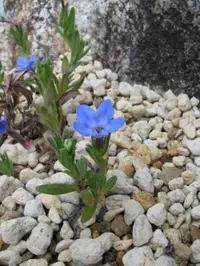
Scrambling gromwell, Glandora diffusa, is a low, spreading shrub often used as a groundcover or to soften the edges of walls and rockeries. It forms loose mats of small, narrow leaves that are usually dark green and slightly rough to the touch.
In spring and early summer it produces many bright blue, star-shaped flowers that attract pollinators and stand out against the foliage. It naturally occurs in rocky, sun-exposed habitats around the Mediterranean, so it is adapted to poor, well-drained soils and periods of dryness.
These traits make it relatively undemanding if given enough sun and sharp drainage. Gardeners who understand how to care for scrambling gromwell usually find it long-lived and reliable in suitable climates.

Care Difficulty
Moderate Care

Light Preference
Full Sun

Water Requirements
Low Water

Temperature Preference
Cool Climate

Hardiness Zone
6–9

Soil Texture
Sandy, Loamy, Rocky

Soil pH
Slightly acidic (6.5–7.0), Neutral (7.0)

Soil Drainage
Well-drained

Fertilization
Minimal (feed rarely)
Scan your plant to receive care tips personalized for your specific plant
Available on iOS and Android
Glandora diffusa thrives in bright outdoor conditions with plenty of direct sun.
Glandora diffusa prefers infrequent, deep watering and well-drained soil.
This shrub grows best in mild climates with cool to warm conditions and low humidity.
This plant tolerates typical home humidity and does not need special humidity management.
This species prefers sharply drained, sandy to gritty soil that mimics dry, rocky slopes.
This species is suitable for container growing, especially in sunny patios or rock-garden troughs.
Glandora diffusa is light-feeding and only needs modest nutrition to flower well in lean, well-drained soil.
Glandora diffusa responds well to light, timely pruning that keeps the plant compact and flowering freely.
This plant is most often grown in the ground, so care focuses on thoughtful transplanting rather than frequent repotting.
Glandora diffusa is commonly propagated from semi-ripe cuttings and, less often, from seed.
This species is fairly cold hardy in mild climates but benefits from some winter protection in colder regions.

Plant Health Check
Not sure what's wrong with your plant? Check your plant's health inside the app.
This species naturally occurs on rocky, often calcareous seaside slopes of southwestern Europe, where it is adapted to salt-laden winds, high light, and very free-draining mineral soils.
The bright blue flowers often appear more intensely colored in full sun and cooler weather because of anthocyanin pigments, which are plant compounds that shift in appearance with light and temperature.
Although very low and spreading, this plant is a true woody shrub that forms a dense, long‑lived evergreen mat, helping stabilize shallow soils on slopes and rock faces.

Glandora diffusa was long classified in the genus Lithodora and only reassigned to the genus Glandora in the early 21st century after detailed molecular and morphological studies showed clear genetic and structural differences within this group of borages.
This species forms a low, spreading mat but is not usually aggressive in garden settings. It can edge out weaker plants in very lean, dry soils, so give it a defined space and avoid overly rich conditions.
Keep your plants happy and healthy with plant identification, disease detection, and easy care guidance.

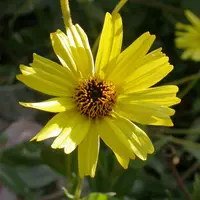
California brittlebush
Encelia californica
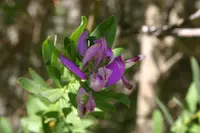
Sweet pea shrub
Polygala myrtifolia
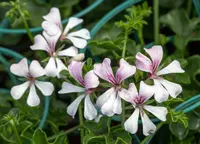
Ivy geranium
Pelargonium peltatum
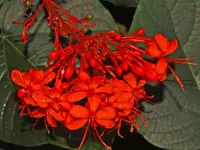
Javanese glorybower
Clerodendrum speciosissimum
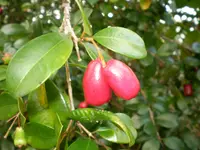
scrub cherry
Syzygium australe
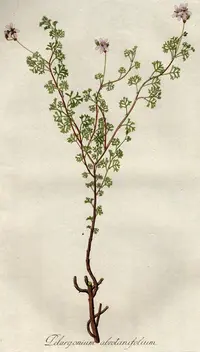
Southernwood-leaf Storksbill
Pelargonium abrotanifolium
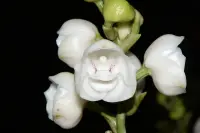
Dove orchid
Peristeria elata
yellow rock rose
Helianthemum marifolium