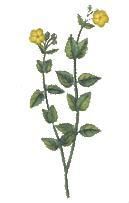
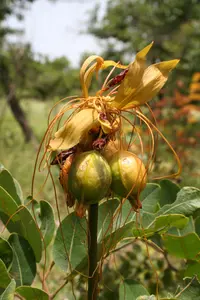
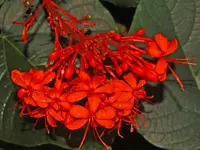
abrojo colorado Care (Krameria ixine)

Also known as: Savanilla Rhatany, Savanilla Krameria
abrojo colorado

About abrojo colorado

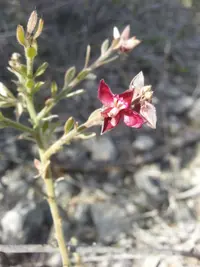
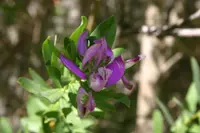
Abrojo colorado (Krameria ixine) is a small, woody shrub best known for its bright reddish-purple flowers and low, spreading growth habit. It often develops a deep root system and can appear somewhat sparse above ground.

This species is native to dry, open habitats in parts of the Caribbean and tropical Americas, where it copes well with heat and poor, sandy or rocky soils. It can be challenging to grow in typical gardens because it prefers very well-drained, low-fertility substrates and is sensitive to excess moisture.

Gardeners who want to care for abrojo colorado should focus on strong light, good drainage, and avoiding heavy or waterlogged soil conditions.

Main Plant Requirements

Care Difficulty

Moderate Care

Light Preference

Full Sun

Water Requirements

Low Water

Temperature Preference

Tropical / Frost Sensitive

Hardiness Zone

10–11

Soil Texture

Sandy, Loamy, Rocky

Soil pH

Slightly acidic (6.5–7.0), Neutral (7.0)

Soil Drainage

Well-drained

Fertilization

Minimal (feed rarely)

Get Personalized Care Plan

Scan your plant to receive care tips personalized for your specific plant

Available on iOS and Android

How to Care for the abrojo colorado

Krameria ixine performs best in bright, open sites that mimic dry, sunny native scrublands.

  • Provide 6–8 hours of direct sun daily; full sun is ideal in most climates, with some light afternoon shade in very hot, arid regions.
  • Plant abrojo colorado in an exposed location rather than beneath dense tree canopies, as prolonged shade reduces flowering and leads to weak, lanky growth.
  • In cooler months, maximize sun exposure by avoiding north-facing walls or deep shade; in hot summers, monitor for leaf scorch and offer light filtered shade if foliage bleaches.

This species is adapted to dry conditions and prefers infrequent, deep watering once established.

  • Allow the top 5–8 cm of soil to dry completely before watering; in most warm climates this means waiting until foliage shows slight dullness rather than following a fixed schedule.
  • Use sharply draining, sandy or gravelly soil so that water moves through quickly; standing water or heavy clay increases root rot risk in Krameria ixine.
  • During cooler seasons, reduce watering to occasional deep soakings only; chronic overwatering causes yellowing leaves and soft stems, while prolonged drought leads to brittle, shedding foliage.

This dryland shrub favors warm conditions and does not tolerate freezing temperatures.

  • Aim for 70–90°F (21–32°C) during active growth, which supports strong rooting and flowering in open, sunny sites.
  • Protect plants when temperatures drop near 40°F (4°C); exposure below 32°F (0°C) can kill stems or entire plants, especially young specimens.
  • In hot periods above 95°F (35°C), growth usually slows; maintain soil drainage and avoid overhead watering in peak heat to reduce stress and tissue damage.

This semi-arid shrub handles low humidity well, so moisture in the air is rarely a concern indoors or outdoors.

  • Target 30–50% humidity; avoid persistently damp, stagnant spaces that stay above 70%.
  • Leaves that shrivel, yellow at tips, or show edge browning usually indicate root or watering issues, not humidity stress.
  • If air is extremely dry and hot, increasing distance from heaters and improving air circulation is usually sufficient for abrojo colorado.

This species prefers lean, very well-drained, sandy soil that mimics its native dry habitats.

  • Use a gritty mix such as 50% coarse sand, 30% loam, 20% fine gravel to keep roots dry between waterings.
  • Ensure rapid drainage; water should clear the pot or bed within seconds, without puddling on the surface.
  • Aim for slightly acidic to neutral pH around 6.0–7.0, avoiding strongly acidic or alkaline substrates.
  • Avoid heavy clay, peat-heavy, or water-retentive mixes, which reduce aeration and increase risk of root rot in Krameria ixine.

This shrub can be grown in containers if the pot is prepared for its deep, drought-adapted root system.

  • Choose a deep, narrow container that allows a strong taproot to develop without circling tightly at the base.
  • Select a heavy, stable pot material (such as unglazed clay) to prevent tipping in windy, exposed locations.
  • Add a thick bottom layer of coarse gravel or large pumice to accelerate vertical drainage away from the root zone.

This semi‑woody shrub grows in poor, dry soils and usually needs only light feeding, even when caring for abrojo colorado in cultivation.

  • Use a light topdressing of well‑decomposed compost or a low‑rate, balanced NPK slow‑release fertilizer at the start of the warm growing season.
  • Apply fertilizer no more than 1–2 times per growing season, as excessive nutrients can encourage weak, lush growth over sturdy structure.
  • Dilute liquid balanced fertilizer to 25–50% strength if used, and always apply to already moist soil to avoid root burn.
  • Avoid feeding during cooler dormant periods or when growth has clearly slowed, focusing instead on proper light and watering.

Krameria ixine benefits from light, precise pruning to maintain a compact, healthy form.

  • Carry out most pruning at the end of the dry or cool season, just before active growth resumes.
  • Remove dead, diseased, or storm‑damaged twigs first, cutting back to healthy wood with clean, sharp hand pruners.
  • Thin weak, crossing, or crowded interior shoots to improve airflow and light penetration without stripping the plant.
  • Lightly tip‑prune overly long shoots to control size and encourage a bushier framework, avoiding heavy cuts into old, woody sections.

This species is more often field grown than containerized, so management usually centers on careful transplanting rather than frequent repotting.

  • Transplant during warm, mild weather when soil is workable and the plant is not under drought or heat stress.
  • Choose a sunny, very well‑drained site with sandy or gravelly soil to match its natural habitat and reduce transplant shock.
  • Move young plants before they become deeply established; older specimens resent disturbance due to their developing root system.
  • Water thoroughly after transplanting, then allow soil to dry slightly between waterings to encourage new root growth without waterlogging.

Propagation of Krameria ixine is possible but somewhat specialized, most often attempted from seed under controlled conditions.

  • Collect ripe seeds from mature pods and sow them in a very well‑drained, sandy mix at the start of the warm season.
  • Provide bright light, 70–80°F temperatures, and low to moderate moisture, avoiding constant saturation that may cause rot.
  • Lightly cover seeds and keep the medium just barely moist until germination, which may be slow and uneven.
  • Handle seedlings gently when potting on, disturbing roots as little as possible and maintaining excellent drainage to support establishment.

This warm‑climate shrub is not frost hardy and needs protection in regions with cold winters.

  • In frost‑free climates, outdoor plants usually need no special winter measures beyond avoiding prolonged waterlogging.
  • In areas with occasional light frost, apply a dry, loose mulch around the root zone to moderate soil temperature swings.
  • Container plants in cooler regions should be moved indoors or into a frost‑free greenhouse before temperatures drop near 40°F.
  • Maintain very well‑drained soil and reduce watering in cool conditions to lower the risk of root and stem rot.

Care Tips

Root zone aeration

Loosen the top 2–3 cm of soil around the root zone once or twice a season with a hand fork to improve air exchange and prevent surface crusting that can shed water away from the roots.

Targeted weed control

Keep a 15–20 cm weed-free ring around the plant using hand-pulling or a narrow hoe so that shallow feeder roots do not compete with aggressive grasses and broadleaf weeds for limited moisture in dry sites.

Low mulch strategy

If mulch is used in very hot or exposed sites, apply only a thin, 1–2 cm mineral or very coarse organic layer, keeping it a few centimeters away from the stem to avoid excess moisture at the crown and to maintain the warm, well-aerated conditions this species prefers.

Companion plant spacing

When planting with other dryland natives, choose companions with similar low-water needs and keep at least 25–30 cm spacing so the woody root system has room to expand without being shaded or crowded out.

Seasonal health check

At the end of the dry season, inspect stems and the root collar for cankers, mechanical damage, and signs of boring insects, removing any dead or severely damaged twigs to maintain airflow and simplify caring for abrojo colorado over time.

Common Pests and Diseases

Leaf-chewing caterpillars

This pest often feeds on young Krameria ixine foliage and flower structures, leaving irregular holes and ragged edges. Symptoms include skeletonized leaves and frass (droppings) on or below the plant.

Solution

Handpick visible caterpillars in small plantings and remove heavily damaged leaves to reduce feeding pressure. For repeated outbreaks, use a targeted Bacillus thuringiensis (Bt) product in the evening, and keep surrounding vegetation trimmed to limit caterpillar habitat.

Scale insects

These insects attach to stems and woody parts and suck plant sap, weakening the shrub and sometimes causing yellowing, stunting, and sticky honeydew deposits. This is more common on stressed plants growing in very dry, exposed sites.

Solution

Prune out heavily infested twigs and dispose of them away from the planting area. For remaining scales, use a soft brush or cloth dipped in diluted insecticidal soap or horticultural oil to wipe them off, and repeat applications every 7–10 days until new growth appears clean.

Root-knot nematodes

This pest lives in sandy or light soils and forms galls or swellings on roots, which interfere with water and nutrient uptake. Symptoms include slow growth, reduced flowering, and wilting in hot weather despite adequate soil moisture.

Solution

Remove and discard severely affected plants and avoid replanting Krameria ixine in the same exact spot. Improve soil with organic matter, use resistant or non-host cover crops between plantings, and keep plants well mulched to reduce stress so they tolerate light nematode pressure better.

Stem canker

This disease affects woody stems, causing sunken, discolored lesions that may crack and girdle branches. Symptoms include dieback of affected shoots, especially after periods of mechanical damage or drought stress.

Solution

Cut out diseased stems at least 5–10 cm below visible damage and disinfect pruning tools between cuts with alcohol or a 10% bleach solution. Maintain good air circulation, avoid wounding stems, and keep the plant moderately watered to reduce stress and lower canker incidence.

Leaf spot

This disease produces small brown to purplish spots on leaves that may merge into larger blotches, leading to premature leaf drop in wet or humid conditions. Symptoms include spotting that starts on lower or inner foliage where air movement is poor.

Solution

Remove and discard affected leaves from the plant and ground, then water at soil level to keep foliage dry. If conditions stay humid and spotting continues, apply a copper-based or other labeled fungicide according to directions, and thin nearby vegetation to improve light and airflow around the shrub.

Interesting Facts

Rainforest hemi-parasite

Krameria ixine is a hemiparasitic shrub that performs photosynthesis but also taps into the roots of nearby host plants through specialized structures called haustoria to obtain water and dissolved nutrients.

Oil-rich floral glands

Its flowers bear distinctive oil-producing glands instead of offering nectar, attracting specialized oil-collecting bees that use these floral oils for nest construction and larval food.

Neotropical dry-forest native

This species is naturally distributed in dry to seasonally dry lowland habitats of the Caribbean and parts of northern South America, where it is adapted to high light, poor soils, and periodic drought.

Botan icon

Did you know?

The flowers of Krameria ixine exhibit a highly specialized pollination system in which oil-collecting bees manipulate the petals to access tiny oil sacs, making these bees both primary pollinators and key partners in the plant’s reproductive success.

FAQs about abrojo colorado

Limited flowering usually comes from insufficient light, nutrient-poor or very dry soil, or a plant that is still immature. Ensure strong sun, lean but not exhausted soil, and avoid heavy pruning just before the natural flowering season.

Grow Healthy Plants with Botan Care

Keep your plants happy and healthy with plant identification, disease detection, and easy care guidance.

Botan plant care app — identify plants on mobile

Explore More Plants