Mulch For Moisture
Apply a 5–8 cm layer of shredded bark or leaf mold around the root zone each spring, keeping it a few cm away from the stems, to stabilize soil moisture and temperature while reducing weed competition.

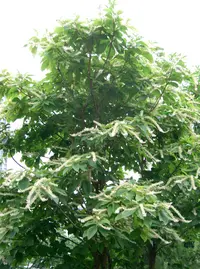
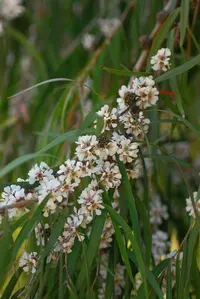
Japanese clethra (Clethra barbinervis) is a deciduous flowering shrub or small tree valued for its layered branching, peeling bark, and fragrant midsummer flower clusters. It develops a graceful, upright form with drooping white flower spikes followed by small brown seed capsules and good autumn color.
This species is native to Japan and parts of East Asia, where it grows in woodland and mountain slopes. It tends to be moderate in growth rate and becomes easier to manage once established.
The plant prefers moist, acidic, well-drained soil and does best in sun to light shade. Gardeners who understand how to care for Japanese clethra often appreciate its reliability and relatively low pest and disease pressure.

Care Difficulty
Moderate Care

Light Preference
Partial Shade

Water Requirements
Regular Water

Temperature Preference
Cold Hardy

Hardiness Zone
5–8

Soil Texture
Loamy, Silty, Organic-rich

Soil pH
Strongly acidic (4.5–5.5), Acidic (5.5–6.5)

Soil Drainage
Moist but well-drained

Fertilization
Minimal (feed rarely)
Scan your plant to receive care tips personalized for your specific plant
Available on iOS and Android
This deciduous shrub prefers bright, gentle light that mimics an open woodland edge.
This shrub prefers consistently moist, not waterlogged, soil from spring through fall.
This species is a cold-hardy shrub that grows best in temperate outdoor climates.
This shrub prefers moderate outdoor humidity but usually copes well without special measures in most temperate gardens.
Clethra barbinervis grows best in consistently moist, aerated, acidic loam rich in organic matter.
This species can be grown in large outdoor containers when provided with stable, evenly moist conditions.
Clethra barbinervis is modest in its nutrient needs but responds well to light feeding in average garden soils.
Pruning Clethra barbinervis focuses on maintaining a healthy framework and encouraging flower display.
This species is usually grown in the ground, so care focuses on thoughtful transplanting rather than frequent repotting.
Propagation of Clethra barbinervis is achievable but somewhat slow, so it is often done by experienced gardeners or nurseries.
This species is generally cold hardy in much of the US and needs only modest winter care once established.

Plant Health Check
Not sure what's wrong with your plant? Check your plant's health inside the app.
Mature trunks develop a striking patchwork of peeling bark in gray, cinnamon, and orange tones, revealing new smooth layers beneath. This exfoliating bark becomes more pronounced with age and makes the plant highly ornamental even in winter.
Its long summer flower spikes produce lightly fragrant white blossoms that are highly attractive to bees, butterflies, and other pollinators. The nectar flow is considered reliable in midsummer when some other woody plants offer fewer resources.
This species is native to mountainous woodlands of Japan and parts of Korea, where it typically grows on well-drained, acidic slopes. Its natural habitat explains its preference for cool roots, consistent moisture, and light shade in cultivation.

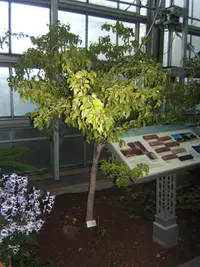
In Japan, this species can slowly grow into a small tree that becomes especially valued in gardens and temple landscapes for its multi-season interest: scented midsummer flowers, vivid autumn foliage, and ornamental bark that stands out against winter scenery.
Poor flowering usually comes from too much shade, dry soil during bud formation, or heavy pruning at the wrong time. Avoid cutting newer wood, keep soil evenly moist, and apply a balanced, low-nitrogen fertilizer in early spring.
Keep your plants happy and healthy with plant identification, disease detection, and easy care guidance.