


Encourage Compact Form
Pinch very young shoot tips once or twice in the first 2–3 years to encourage dense branching and a sturdier canopy that better resists wind and breakage.

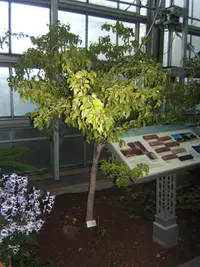
Holywood, Guaiacum sanctum, is a slow-growing evergreen tree known for its very dense, heavy wood and small, glossy, dark green leaves. It typically forms a compact, rounded crown and produces attractive blue to violet flowers followed by small, orange-tinted fruits.
This species is native to dry tropical forests of the Caribbean, Central America, and northern South America, where it grows in hot, sunny, and seasonally dry habitats. Its slow growth, need for warmth, and sensitivity to frost make it better suited to outdoor cultivation in warm climates or as a protected container specimen. Understanding how to care for holywood starts with providing strong light, well-drained soil, and moderate watering habits.

Care Difficulty
Moderate Care

Light Preference
Full Sun

Water Requirements
Low Water

Temperature Preference
Tropical / Frost Sensitive

Hardiness Zone
10–11

Soil Texture
Sandy, Loamy, Rocky

Soil pH
Slightly acidic (6.5–7.0), Neutral (7.0)

Soil Drainage
Well-drained

Fertilization
Minimal (feed rarely)
Scan your plant to receive care tips personalized for your specific plant
Available on iOS and Android
Guaiacum sanctum prefers strong light and thrives in warm, bright climates.
This drought-tolerant tree prefers deep, infrequent watering once established.
This subtropical tree prefers warm, stable conditions and does not tolerate frost.
This dry-tolerant species manages well in typical indoor humidity but benefits from moderately moist air in heated homes.
This species prefers lean, mineral, sharply drained soil that mimics coastal limestone habitats.
This slow-growing tree can be maintained in containers for many years when the pot setup supports its dense wood and deepening root system.
Guaiacum sanctum is a slow-growing tree that benefits from light, conservative feeding in containers or poor soils.
Guaiacum sanctum needs only light pruning to maintain structure and remove problem wood.
This species is usually grown in the ground, with container plants or young trees transplanted infrequently due to a sensitive root system.
Guaiacum sanctum is most often propagated from seeds, which can be slow and somewhat challenging for home growers.
Guaiacum sanctum is a tropical to subtropical tree and is not frost hardy, so some winter care is needed in cooler climates.

Plant Health Check
Not sure what's wrong with your plant? Check your plant's health inside the app.
This species is an extremely slow-growing tropical hardwood tree, often adding only a few millimeters of trunk diameter per year, which contributes to its very dense and heavy wood.
Its wood is among the densest of all commercially used timbers and is so heavy that it typically sinks in water, a property that historically made it valuable for specialized industrial uses.
The tree is native to dry tropical forests of the Caribbean and parts of Central America, where it is adapted to pronounced dry seasons and often grows on rocky, nutrient-poor soils.

Guaiacum sanctum is listed as Endangered on the IUCN Red List, largely due to historical overexploitation for its exceptionally dense wood and habitat loss in its native dry-forest ecosystems.
This species grows slowly, usually adding 5–15 cm of height per year. Growth is faster in warm, frost-free climates with full sun, well-drained soil, and protection from root disturbance. Patience is essential when growing holywood.
Keep your plants happy and healthy with plant identification, disease detection, and easy care guidance.

man to man
Peperomia pellucida
 POPULAR
heartleaf philodendron
Philodendron cordatum
Chrysothemis friedrichsthaliana
Chrysothemis friedrichsthaliana
citron
Citrus medica
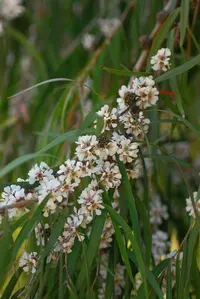
Western Australian Peppermint
Agonis flexuosa

Key Lime
Citrus × aurantiifolia
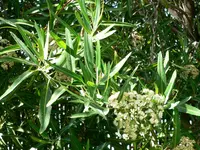
Arizona rosewood
Vauquelinia californica
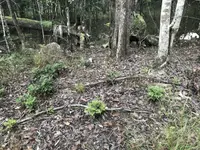
Hemionitis concolor
Hemionitis concolor