Hemionitis concolor Care

About Hemionitis concolor

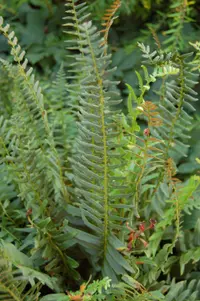
Hemionitis concolor is a small terrestrial fern, often called a heart fern, valued for its delicate, heart-shaped fronds on slender, wiry stems. It forms compact clumps, making it suitable for containers, terrariums, or shaded edges in humid gardens where temperatures stay mild.

This species occurs naturally in parts of tropical and subtropical Asia, typically in moist forest understories and on shaded banks. It prefers consistently moist, airy soil and high humidity, and can be sensitive to drying out or harsh sun, so how to care for Hemionitis concolor focuses on stable moisture, soft light, and shelter from drafts.

Main Plant Requirements

Care Difficulty

Moderate Care

Light Preference

Partial Shade

Water Requirements

Keep Soil Moist

Temperature Preference

Tropical / Frost Sensitive

Hardiness Zone

10–11

Soil Texture

Loamy, Peaty, Organic-rich

Soil pH

Acidic (5.5–6.5), Slightly acidic (6.5–7.0)

Soil Drainage

Moist but well-drained

Fertilization

Light (every 4–6 weeks)

Get Personalized Care Plan

Scan your plant to receive care tips personalized for your specific plant

Available on iOS and Android

How to Care for the Hemionitis concolor

This fern prefers soft, forest-like light rather than direct, harsh sun.

  • Place Hemionitis concolor in bright, filtered light such as under a sheer curtain or dappled shade outdoors, with 4–6 hours of indirect light daily.
  • Allow only gentle early morning sun; avoid strong midday or afternoon sun, which can scorch fronds, cause crisp brown edges, and pale, washed-out color.
  • In winter, move slightly closer to a bright window or brighter shade outdoors to compensate for shorter days, but still protect from direct rays.

This species prefers evenly moist but not waterlogged soil around its shallow roots.

  • Water when the top 1–2 cm of soil feels slightly dry, letting water flow through freely, then drain any excess from trays or saucers.
  • Aim for consistently damp soil in spring and summer; in fall and winter, let the surface dry a bit more between waterings while never allowing the root zone to fully dry out.
  • Watch for yellowing, limp fronds as a sign of overwatering and potential root rot, and crisp, curling frond tips as a sign the plant is staying too dry.

This fern thrives in mild, stable temperatures similar to a sheltered woodland floor.

  • Optimal growth occurs at 65–80°F (18–27°C), where fronds expand steadily and new growth appears through the warm season.
  • Protect from cold; growth slows below 55°F (13°C), and damage is likely if exposed to 40°F (4°C) or lower, especially with wind or wet soil.
  • In hot spells above 85°F (29°C), increase shade and airflow and avoid hot, reflected surfaces, as prolonged heat stress can cause wilting and frond scorch.

This fern needs relatively high humidity to grow well indoors.

  • Aim for 60–80% humidity, as Hemionitis concolor often declines in typical dry heated rooms.
  • Crisping frond tips, dull color, and stalled new growth indicate humidity stress rather than underwatering.
  • Use a nearby cool-mist humidifier, grouped plants, and a pebble tray under the pot to raise local humidity.

This species prefers a loose, moisture-retentive but airy mix similar to an epiphytic fern substrate.

  • Combine roughly 40% peat or coco coir, 30% fine bark, and 30% perlite or pumice to create a fibrous, organic-rich medium.
  • Ensure fast drainage so water passes through in seconds but the mix still feels lightly moist, never waterlogged.
  • Target a slightly acidic pH around 5.5–6.5, avoiding strongly alkaline mixes containing large amounts of lime.
  • Avoid heavy garden soil or pure compost that compacts, as low aeration quickly damages delicate roots.

This fern is well suited to container growing for controlled moisture and humidity around the roots.

  • Choose a relatively shallow but wide pot to match its fine, surface-leaning roots and to prevent deep soggy zones.
  • Use a potting container with sidewall drainage holes or a raised internal base to limit water sitting at the bottom.
  • Select plastic or glazed ceramic to slow evaporation, which helps keep the root zone evenly moist between waterings.

This fern benefits from light, consistent nutrition rather than heavy feeding.

  • Use a balanced liquid fertilizer (around 10-10-10 or 20-20-20) diluted to 1/4–1/2 strength for Hemionitis concolor in active growth.
  • Feed every 4–6 weeks in spring and summer when new fronds appear.
  • Skip or reduce feeding to 1 light dose in fall and winter, especially in low light.
  • Avoid compost or strong slow-release pellets that can accumulate salts in small pots.

Pruning focuses on cleaning and thinning rather than reshaping this fine-textured fern.

  • In late winter or early spring, remove dead, yellowing, or diseased fronds at the base with clean scissors.
  • Trim damaged tips back to healthy tissue to improve appearance and reduce disease entry points.
  • Thin crowded inner fronds sparingly to improve air flow and reduce fungal problems.
  • Avoid heavy cutting, as pruning has little effect on overall size and can stress the plant.

This fern prefers a stable root environment and only occasional repotting.

  • Check for roots circling the pot, growing through drainage holes, or clear slowing of new fronds as signals to repot.
  • Plan to move Hemionitis concolor to a slightly larger container every 2–3 years in early spring.
  • Use a loose, peat- or coir-based mix with added perlite, keeping the rhizomes at the same depth.
  • Water thoroughly after repotting, keep humidity high, and shade from strong sun for 1–2 weeks to limit root stress.

Propagation is possible but slower than many houseplants, so patience is important.

  • Divide established clumps in early spring, choosing plants with several healthy crowns and strong roots.
  • Gently tease or cut the root mass into sections, keeping at least 2–3 fronds attached to each division.
  • Replant divisions into small pots with moist, airy mix, then cover with a clear dome or bag for high humidity.
  • For spore sowing, use sterilized, fine substrate, constant moisture, and warm, bright shade to encourage germination.

This fern is best treated as a frost-sensitive plant and kept above freezing in winter.

  • Move outdoor containers indoors before temperatures drop below 40°F, choosing a bright, frost-free room.
  • Maintain indoor temperatures around 60–70°F with high humidity to prevent frond browning.
  • Keep soil just slightly moist, as cool, wet conditions increase root rot risk in winter.

Care Tips

Moisture check method

Use your finger or a wooden skewer to probe 2–3 cm into the mix; if it comes out almost clean and only slightly damp, it is the right time to water this fern evenly.

Shielded air movement

Place the plant where there is gentle, indirect air movement from a nearby fan or open doorway, but use a taller plant or screen to block direct drafts that could desiccate the delicate fronds.

Soft frond grooming

Remove dead or yellowing fronds by cutting them at the base with sterile, fine scissors rather than pulling, which reduces the risk of damaging the compact rhizomes and new growth points.

Targeted pest inspection

Inspect the undersides of fronds and the fuzzy rhizomes every 1–2 weeks with a hand lens, so that any early spider mite or scale activity is detected before it spreads, which is key for caring for Hemionitis concolor in dry indoor air.

Container size control

Choose a shallow, only slightly wider pot and upsize by 2–3 cm at a time, since overly large, deep containers hold excess water around the roots and increase the risk of rot in this fern.

Common Pests and Diseases

Scale insects

This pest attaches firmly to fronds and stems, sucking sap and causing yellowing, speckling, and general decline, especially on older fronds. Symptoms include sticky honeydew on the leaf surface that can encourage sooty mold growth.

Solution

Remove visible scale manually with a cotton swab dipped in 70% isopropyl alcohol, then rinse fronds gently with lukewarm water. For larger populations, use repeated applications of a light horticultural oil or insecticidal soap, ensuring thorough coverage of both frond surfaces while keeping the fern out of direct sun until dry.

Fern aphids

These insects cluster on soft new fronds and undersides of leaves, distorting growth and causing a puckered or curled appearance. This pest also produces honeydew, which can attract ants and lead to sooty mold on delicate fern tissue.

Solution

Shower the plant with a gentle stream of lukewarm water to dislodge aphids, repeating every few days until numbers drop. For persistent infestations, apply an insecticidal soap labeled for ferns, covering all tender growth, and improve air movement around the plant to reduce reinfestation while maintaining the higher humidity preferred for Hemionitis concolor care instructions.

Spider mites

These pests thrive on ferns kept too warm and dry, causing fine stippling, dull or grayish fronds, and very delicate webbing between pinnae. Symptoms include rapid frond bronzing and drop if conditions stay hot and low humidity.

Solution

Increase humidity, lower heat stress, and rinse the plant under a gentle shower, focusing on frond undersides. Follow up with several rounds of insecticidal soap or a low-toxicity miticide, applied at 5–7 day intervals, and avoid placing the plant near heating vents or very dry airflow sources.

Rhizoctonia leaf spot

This disease causes irregular, dark brown to black spots or patches on fronds that may coalesce, giving a blighted look, often starting where fronds stay wet for long periods. Symptoms include frond yellowing and premature dieback in dense, poorly ventilated foliage.

Solution

Remove and discard affected fronds, then reduce overhead watering so foliage dries more quickly. Improve air circulation, avoid crowding, and if spread continues, apply a fungicide labeled for leaf spot on ferns, following the label dose and interval carefully.

Bacterial blight

This disease produces water-soaked, translucent lesions on fronds that can turn brown and spread rapidly under warm, stagnant, high-humidity conditions. Symptoms include a soft, sometimes foul-smelling breakdown of affected frond tissue, often starting along the midrib or margins.

Solution

Promptly prune and discard all infected fronds, sterilizing cutting tools between cuts with alcohol. Reduce leaf wetness by watering at the substrate level, increase airflow, avoid misting directly onto the fronds, and isolate the plant from others until no new lesions appear.

Interesting Facts

Button fern morphology

This species forms small, rounded pinnae that resemble buttons, attached along thin, wiry, dark fronds, which gives the plant a compact and rather architectural appearance compared to many broader-bladed ferns.

Natural limestone preference

In the wild it is often associated with calcareous, or lime-rich, substrates such as limestone rocks or soils, which is unusual for many ferns that more commonly favor acidic conditions.

Epipetric growth habit

Hemionitis concolor frequently grows epipetrically, meaning it anchors on rock surfaces and in crevices rather than deep soil, using fine roots to exploit small pockets of organic material and moisture on cliffs and rocky slopes.

FAQs about Hemionitis concolor

Brown leaf tips or edges usually come from low humidity, missed waterings, or a build-up of fertilizer salts. Check that the root zone never fully dries, flush the pot occasionally, and increase humidity with grouping or a pebble tray.

Grow Healthy Plants with Botan Care

Keep your plants happy and healthy with plant identification, disease detection, and easy care guidance.

Botan plant care app — identify plants on mobile

Explore More Plants