Arizona rosewood Care (Vauquelinia californica)

Arizona rosewood

About Arizona rosewood

Arizona rosewood (Vauquelinia californica) is an evergreen shrub or small tree native to arid regions of the southwestern United States and northern Mexico. It is often used in dry landscapes and habitat gardens.

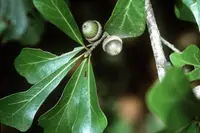
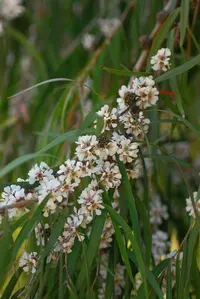
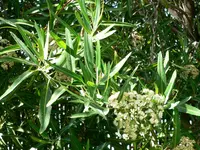
Plants form a dense, upright to rounded canopy with narrow, leathery leaves that stay on the plant year-round. Clusters of small white flowers appear mainly in spring and attract pollinators.

Arizona rosewood is valued for its durability in heat, sun, and poor, rocky soils, which makes it suitable for low-water gardens. Understanding how to care for Arizona rosewood starts with recognizing its preference for full sun, sharp drainage, and infrequent but deep watering once established.

Main Plant Requirements

Care Difficulty

Easy Care

Light Preference

Full Sun

Water Requirements

Low Water

Temperature Preference

Warm Climate

Hardiness Zone

7–10

Soil Texture

Sandy, Loamy, Rocky

Soil pH

Slightly acidic (6.5–7.0), Slightly alkaline (7.0–7.5)

Soil Drainage

Well-drained

Fertilization

Minimal (feed rarely)

Get Personalized Care Plan

Scan your plant to receive care tips personalized for your specific plant

Available on iOS and Android

How to Care for the Arizona rosewood

This desert shrub prefers strong sun but can adapt to slightly shadier garden spots.

  • Provide 6–10 hours of direct sun daily; full sun promotes dense growth and better flowering for Arizona rosewood.
  • Allow light afternoon shade in very hot regions to limit leaf scorch, especially for young or newly transplanted shrubs.
  • In partial shade (3–5 hours sun), expect slower growth and looser form; avoid deep shade, which leads to sparse foliage and weak stems.

This shrub is drought-tolerant once established and prefers infrequent, deep watering.

  • Water established plants only when the top 5–8 cm of soil are dry and leaves start to lose slight firmness, then soak the root zone deeply.
  • During the first 1–2 growing seasons, water more often in hot, dry periods, then gradually extend the interval as Vauquelinia californica roots mature.
  • Use fast-draining, rocky or sandy soil; yellowing leaves, dieback from the tips, or soggy soil indicate overwatering and poor drainage.

This species thrives in hot, arid climates with mild winters.

  • Ideal growth occurs around 70–95°F (21–35°C), matching low-desert and warm hillside conditions in many southwestern landscapes.
  • Mature plants tolerate brief drops to about 15–20°F (-9 to -6°C); young plants benefit from protection during hard freezes.
  • Heat tolerance is high up to 105–110°F (41–43°C) if soil is well-drained; avoid planting in frost pockets or poorly ventilated, reflective heat traps.

Humidity is rarely critical for Vauquelinia californica, which is adapted to very dry air.

Vauquelinia californica thrives in lean, fast-draining, mineral soils that mimic desert slopes.

  • Use sandy or gravelly loam with 20–40% coarse sand or small gravel to prevent water retention around roots.
  • Maintain sharply drained conditions by avoiding high peat content; add crushed granite or pumice to increase pore space and aeration.
  • Aim for slightly acidic to slightly alkaline pH (6.5–8.0), avoiding strongly acidic mixes that can limit nutrient availability.
  • Do not plant in compacted or clay-heavy substrates; if unavoidable, mound the planting area above grade and blend in coarse mineral material.

This species can be grown in large containers, mainly for young plants or patio specimens.

  • Choose a heavy clay or concrete pot to counterbalance the shrub’s eventual height and reduce tipping in strong winds.
  • Select a container at least 45–60 cm deep to accommodate the developing woody root system without restricting downward growth.
  • Elevate the pot on feet or blocks so water clears the drainage holes quickly, preventing chronic moisture at the base of the root ball.

This desert-adapted shrub needs minimal feeding, but light fertilizer can support container or poor-soil plants.

  • Use a balanced slow-release fertilizer (for example 8-8-8 or 10-10-10) or a thin layer of compost in early spring.
  • Apply once per year during the main growing season; skip feeding on vigorous landscape specimens in good soil.
  • Dilute liquid feeds to 1/2 strength for container-grown Arizona rosewood to avoid salt buildup.
  • Do not fertilize in late fall or winter, which can stimulate tender growth vulnerable to cold or drought.

Pruning Vauquelinia californica is mainly for structure, clearance, and removal of damaged wood.

  • Carry out shaping and size control in late winter to early spring, before strong new growth starts.
  • Remove dead, diseased, crossing, or rubbing branches first to improve air flow and branch strength.
  • Use clean, sharp bypass pruners or loppers and make cuts just outside the branch collar.
  • Thin rather than shear to maintain a natural form and to preserve flowering wood.

This species is more often transplanted in landscapes than kept long term in containers.

  • Transplant in late fall or early spring when temperatures are mild and soil is workable.
  • Look for circling roots, slowed growth, or plants tipping in the pot as cues that a container specimen needs more space.
  • Move up only 1 pot size, gently loosen circling roots, and water deeply to settle soil and limit transplant shock.
  • In the ground, keep the root ball intact, plant at the same depth, and irrigate consistently for the first 1–2 growing seasons.

Vauquelinia californica is usually propagated from seed, with cuttings used less often.

  • Collect ripe seed in late summer to fall, then store cool and dry until sowing.
  • Sow in a well-drained, sandy mix, barely cover, and keep at 65–75°F with even, light moisture.
  • Semi-hardwood cuttings in late spring to summer root better with rooting hormone and bottom warmth.
  • Provide bright, indirect light and good air movement to reduce damping-off and rot in young plants.

This shrub is quite cold hardy in much of its range and usually needs little special winter care.

  • Mature plants tolerate light to moderate frosts once established in well-drained soil.
  • In colder areas, apply a 5–8 cm mulch layer over the root zone, keeping it slightly away from the trunk.
  • Container plants in exposed sites can be moved against a south-facing wall or into an unheated garage during hard freezes.

Care Tips

Wind-shaping early

In windy sites, lightly stake young plants for the first 1–2 years and remove lower, weak branches so the main stems develop a strong, wind-firm framework.

Encourage dense screens

For hedge use, tip-prune branch ends lightly after flowering each year to encourage side branching and a fuller, more privacy-effective canopy instead of allowing the plant to run tall and sparse.

Mulch for root protection

Apply a 5–8 cm layer of coarse organic mulch out to the drip line, keeping it a few cm away from the trunk, to moderate soil temperature, reduce evaporation, and protect the shallow feeder roots.

Irrigation transition plan

During the first 2–3 years, gradually extend the interval between deep waterings to train roots to grow deeper, then transition to infrequent, deep soakings that match your local rainfall pattern.

Monitor for scale

Inspect stems and leaf midribs a few times per year for scale insects and, if found, prune out heavily infested twigs and use a horticultural oil spray during mild weather for targeted control when caring for Arizona rosewood.

Common Pests and Diseases

Leaf spot

This disease causes small tan to brown leaf lesions that may merge into larger blotches, sometimes with a yellow halo, especially after humid or wet periods.

Solution

Prune and discard affected leaves to reduce inoculum, water at the base to keep foliage dry, and improve air movement around the shrub; in persistent wet conditions, a copper-based fungicide labeled for ornamental shrubs can be used according to label directions.

Sooty mold

This disease appears as a black, powdery or velvety coating on leaves and stems, usually growing on honeydew excreted by sap-sucking insects such as aphids or scale.

Solution

First control the underlying insects with a firm water spray, horticultural soap, or horticultural oil, then gently wipe or rinse affected foliage to remove the mold so leaves can photosynthesize normally.

Aphids

These insects cluster on tender new growth and undersides of leaves, sucking sap and causing distorted foliage, sticky honeydew, and sometimes ant activity.

Solution

Spray shoots with a strong jet of water to dislodge colonies, then use insecticidal soap or neem oil on remaining aphids, repeating every 5–7 days until populations collapse; encouraging lady beetles and lacewings also helps long-term control when growing Arizona rosewood outdoors.

Scale insects

These insects appear as small, rounded or oval bumps on stems and leaf midribs, weakening plants by feeding on sap and often producing honeydew that attracts ants.

Solution

Prune out heavily infested twigs, gently scrape or wipe off individual scales with a cotton pad, and treat remaining colonies with horticultural oil during mild weather to smother young crawlers.

Interesting Facts

Desert evergreen shrub

This species is an evergreen large shrub or small tree native to the Sonoran Desert and surrounding arid regions, retaining its small leathery leaves year-round despite very low rainfall.

Fire-wise landscape role

The foliage is relatively dense but not highly resinous, so it is often recommended in low-fuel or defensible-space planting schemes in the US Southwest as part of fire-wise landscape design.

Pseudo-rose appearance

The plant produces clusters of small white, five-petaled flowers that resemble those of true roses, but it belongs to a different genus within the rose family Rosaceae.

Botan icon

Did you know?

This species naturally occurs along rocky slopes, canyons, and desert riparian edges in Arizona, California, and northern Mexico, where its deep root system allows it to stabilize shallow, stony soils and persist on exposed sites with minimal supplemental water.

FAQs about Arizona rosewood

This species is evergreen, keeping its narrow, leathery leaves year-round. In cold snaps some foliage may bronze or drop, but healthy plants quickly replace leaves and maintain a dense, green presence through all seasons.

Grow Healthy Plants with Botan Care

Keep your plants happy and healthy with plant identification, disease detection, and easy care guidance.


Botan plant care app — identify plants on mobile

Explore More Plants