Wind-shaping young trees
In windy sites, install 2–3 low, flexible stakes and soft ties for the first 1–2 years, placing stakes outside the root zone so the trunk can move slightly and develop a stronger taper while the root system anchors.

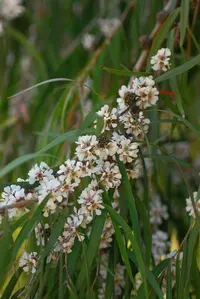
Western Australian peppermint, Agonis flexuosa, is an evergreen tree native to coastal regions of southwestern Australia. It is commonly grown as an ornamental in mild climates. The tree has long, narrow leaves that release a peppermint-like scent when crushed and a graceful, weeping habit that suits streets, parks, and larger gardens. Mature plants develop textured bark and a broad crown that can provide light shade. Growth is generally fast and the plant is tolerant of wind, salt spray, and pruning, which makes it adaptable in many coastal and urban settings. It prefers sunny positions and well-drained soil, so learning how to care for Western Australian Peppermint starts with choosing the right site.

Care Difficulty
Moderate Care

Light Preference
Full Sun

Water Requirements
Moderate Water

Temperature Preference
Warm Climate

Hardiness Zone
9–11

Soil Texture
Sandy, Loamy

Soil pH
Acidic (5.5–6.5), Slightly acidic (6.5–7.0)

Soil Drainage
Well-drained

Fertilization
Minimal (feed rarely)
Scan your plant to receive care tips personalized for your specific plant
Available on iOS and Android
This coastal tree thrives in full sun but accepts light shade if needed.
This species prefers moderately dry, well-drained conditions once established.
This tree is adapted to mild, coastal-type climates and does poorly in hard frost.
This species handles a wide humidity range and rarely needs special humidity management in typical outdoor conditions.
This species prefers freely draining, sandy to loamy soil that does not stay wet.
This species can be grown in containers, especially when a smaller, manageable size is desired.
Agonis flexuosa benefits from light feeding in containers or poor soils but established plants in the ground often need little added nutrition.
Pruning helps maintain structure and clearance in Agonis flexuosa, especially in gardens and streetscapes.
This species is most often grown in the ground, so management focuses on careful transplanting rather than frequent repotting.
Agonis flexuosa is usually propagated by semi-hardwood cuttings or by seed in nursery conditions.
This coastal species is only lightly frost tolerant and benefits from some winter protection in colder regions.

Plant Health Check
Not sure what's wrong with your plant? Check your plant's health inside the app.
When the leaves are crushed, this species releases a distinctive peppermint or menthol-like scent caused by volatile aromatic oils in the leaf tissues.
It is naturally restricted to sandy limestone and coastal dunes of south‑western Western Australia, where it tolerates salt-laden winds and alkaline, nutrient-poor soils.
The wood and branches are notably pliable, so trees growing in exposed coastal sites often develop leaning, wind-sculpted forms without easily snapping.

In its native range, this tree is an important component of coastal woodland communities, providing nectar-rich flowers for insects and birds as well as dense canopy structure that shelters smaller, less wind-tolerant plants from harsh ocean winds.
Growth is moderately fast in suitable climates. Young trees often add 30–60 cm per year once established, especially in coastal, well-drained sites. Poor soil, low light, restricted roots, or drought can slow extension growth noticeably.
Keep your plants happy and healthy with plant identification, disease detection, and easy care guidance.