Train Central Leader
In the first 5–8 years, select one strong, upright trunk and remove competing leaders on dry days to build a stable structure that resists storm damage later in life.

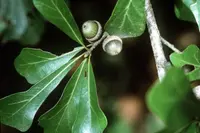
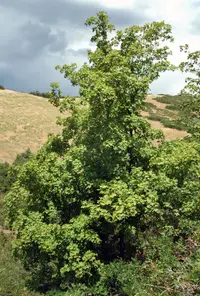
Water oak, Quercus nigra, is a fast-growing deciduous tree native to the southeastern United States. It is commonly found along streams, wetlands, and low-lying woodlands.
This oak has a tall, rounded crown and distinctive narrow, spatula-shaped leaves that often persist into winter. Its growth habit makes it useful for quick shade in large landscapes.
The species adapts to a wide range of soils but favors moist, acidic conditions and full sun. It is relatively easy to establish but can be short-lived compared to other oaks, which is important to know when planning how to care for water oak.

Care Difficulty
Moderate Care

Light Preference
Full Sun

Water Requirements
Regular Water

Temperature Preference
Warm Climate

Hardiness Zone
6–9

Soil Texture
Sandy, Loamy, Clay

Soil pH
Acidic (5.5–6.5), Slightly acidic (6.5–7.0)

Soil Drainage
Moist but well-drained

Fertilization
Minimal (feed rarely)
Scan your plant to receive care tips personalized for your specific plant
Available on iOS and Android
This species thrives as a full-sun landscape tree but adapts to some shade, especially when young.
This tree prefers consistently moist, well-drained soil, especially during its establishment period.
This oak is a warm-climate species with good heat tolerance and moderate cold hardiness.
Humidity is not a major factor for Quercus nigra, which adapts well to typical outdoor conditions.
Quercus nigra thrives in deep, moisture-retentive but aerated mineral soils.
This species is generally unsuited to long-term container growing and is best established directly in the ground.
This native oak usually needs minimal feeding in landscape soils, but young or stressed water oak trees benefit from light, targeted fertilization.
Quercus nigra responds well to thoughtful structural pruning that focuses on safety, clearance, and long-term form.
This oak is rarely grown long term in containers, so care focuses on shifting young trees from pots into the landscape with minimal root disturbance.
New plants are typically raised from acorns, and vegetative methods for Quercus nigra are rarely used outside professional nurseries.
Established trees are cold hardy in much of their range and usually need minimal winter attention outdoors.

Plant Health Check
Not sure what's wrong with your plant? Check your plant's health inside the app.
Water oak often keeps at least part of its foliage through mild winters in the southeastern US, making it semi-evergreen rather than strictly deciduous in warm climates.
This species grows relatively fast for an oak but typically has a shorter lifespan and weaker wood structure than many other North American oaks, which affects its reliability as a long-term landscape tree.
Water oak produces small acorns that mature in about 2 years and are heavily used by wildlife such as ducks, deer, squirrels, and songbirds, playing a significant role in local food webs in wet, lowland habitats.
Despite being a true oak, water oak is often considered a short-rotation or transitional species in urban planting plans, because it tends to decline and fail structurally sooner than longer-lived canopy oaks like live oak or white oak, especially under compacted soils and storm stress.
This species is considered fast-growing, typically adding 30–60 cm in height per year under good conditions. Growth slows with age. Adequate soil moisture, space for roots, and reduced competition from turf or weeds support consistent growth.
Keep your plants happy and healthy with plant identification, disease detection, and easy care guidance.