atibulnak Care (Rubus pectinellus)

Also known as: kobanofuyuichigo, huáng pào
atibulnak

About atibulnak

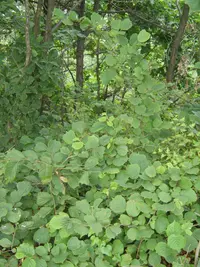
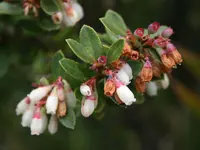
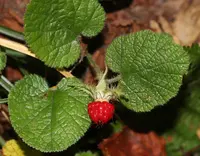
Rubus pectinellus, sometimes called atibulnak, is a low, scrambling bramble from the rose family. It forms dense, thorny mats with small, divided leaves and arching stems. White flowers are followed by small aggregate fruits that resemble miniature raspberries.

This species is native to parts of East Asia, where it grows in open woodland edges, thickets, and rocky slopes. Its suckering and trailing habit allow it to spread quickly and create effective ground cover in suitable sites.

Rubus pectinellus is generally robust but can be vigorous, so it suits gardeners who can manage its spread. To care for atibulnak, provide sun to light shade, moderately moist, well-drained soil, and space to wander.

Main Plant Requirements

Care Difficulty

Moderate Care

Light Preference

Partial Shade

Water Requirements

Moderate Water

Temperature Preference

Cold Hardy

Hardiness Zone

6–9

Soil Texture

Loamy, Sandy, Organic-rich

Soil pH

Acidic (5.5–6.5), Slightly acidic (6.5–7.0)

Soil Drainage

Moist but well-drained

Fertilization

Minimal (feed rarely)

Get Personalized Care Plan

Scan your plant to receive care tips personalized for your specific plant

Available on iOS and Android

How to Care for the atibulnak

Rubus pectinellus prefers bright conditions but not intense, all-day sun.

  • Provide 4–6 hours of sun, ideally morning or late-afternoon light, with dappled or filtered shade during the hottest midday period.
  • Plant in a site offering partial shade, especially in warmer climates, to limit leaf scorch and moisture loss on this atibulnak groundcover.
  • In summer, protect from harsh afternoon sun, while in cooler seasons allow more direct light to maintain compact growth and healthy foliage.

This species prefers consistently moist but not waterlogged soil.

  • Allow the top 2–4 cm of soil to dry slightly before watering again, using finger testing rather than a fixed schedule.
  • Ensure soil is well-drained and slightly loamy; water more often during hot, dry periods and reduce frequency in cool, wet seasons.
  • Monitor leaves for signs of stress: drooping and dry edges suggest underwatering, while yellowing, soft stems, or a sour soil smell indicate overwatering in Rubus pectinellus.

This species is hardy and tolerates a wide range of outdoor temperatures.

  • Optimal growth occurs around 60–75°F (16–24°C), typical of mild spring and early summer conditions.
  • Plants usually tolerate cold down to about 0°F (−18°C) once established, though young growth may be damaged by sudden late frosts.
  • Heat tolerance is moderate; in periods above 86°F (30°C), provide mulch to cool the root zone and extra shade to limit heat stress and leaf scorch.

Humidity is rarely critical for this low-growing bramble, which copes well in typical outdoor conditions.

  • Aim for 40–60% humidity in sheltered garden spots, similar to average outdoor air in many temperate regions.
  • Plants tolerate short dry spells, but prolonged very dry air with hot winds can crisp leaf edges and stunt new shoots.
  • If air is very dry, especially in exposed patios, group atibulnak with other plants or use mulch to reduce moisture loss around foliage.

Rubus pectinellus prefers slightly moist, well-aerated, free-draining soil to support shallow, spreading roots.

  • Use a loose, loamy mix with 30–50% organic matter such as compost or leaf mold blended with garden soil or raised-bed mix.
  • Ensure rapid drainage by incorporating coarse sand or fine grit, especially in heavier soils that tend to hold water.
  • Target a slightly acidic to neutral pH around 6.0–7.0 to support nutrient uptake and healthy cane growth.
  • Avoid compacted clay, waterlogged spots, or pure sand; amend these with organic matter plus mineral grit to improve both aeration and structure.

This species can be grown in containers if the pot and setup account for its spreading, mat-forming habit.

  • Choose a wide, low container to accommodate creeping stems and reduce the risk of the plant spilling and breaking over sharp pot rims.
  • Use a heavier material such as ceramic or thick-walled plastic to stabilize the container against wind and lateral weight from spreading canes.
  • Fill the pot with a slightly raised, mounded mix so surface runners stay above any perched water zone near the drainage interface.

Rubus pectinellus benefits from light feeding but grows adequately in modest soils.

  • Use a balanced slow-release fertilizer (around 10-10-10) or thin compost layer in early spring as growth begins.
  • Feed once per year in spring; in poor soils, a second light application in mid-summer can support growing atibulnak.
  • Dilute liquid feeds to 1/2 strength if used, applying only to moist soil to avoid root burn.
  • Stop feeding in late summer so new growth hardens before winter, and do not fertilize in winter dormancy.

Rubus pectinellus responds well to measured pruning that maintains a low, tidy mat.

  • Best time is late winter to early spring before new growth emerges.
  • Remove dead, diseased, damaged, or heavily crowded stems at ground level with clean, sharp pruners.
  • Thin older, woody canes to encourage fresh, vigorous shoots and better flowering on younger growth.
  • Lightly shape spreading edges after flowering to keep plants within bounds without scalping foliage.

This creeping bramble is usually grown in the ground, so care focuses on transplanting rather than frequent repotting.

  • Transplant in early spring or early fall when conditions are cool and soil is moist but not waterlogged.
  • Look for crowded mats, poor vigor, or roots circling a container as signs that division or transplanting is needed.
  • Lift plants with a wide root ball, disturb roots as little as possible, and replant at the same soil depth.
  • Water thoroughly after planting, then keep soil evenly moist for 2–4 weeks to reduce transplant shock.

Rubus pectinellus is commonly propagated vegetatively to maintain desired traits.

  • Use simple layering in spring or early summer by pegging low stems into moist soil until rooted, then severing.
  • Divide established clumps in early spring, keeping several buds and healthy roots on each division.
  • Take semi-ripe stem cuttings in summer, place in a free-draining mix, and keep humid but not wet for rooting.
  • Sow fresh seed in autumn outdoors or after cold stratification, using a gritty, well-drained substrate.

This species is generally cold hardy in temperate climates and needs only modest winter attention.

  • Tolerates light to moderate frosts once established, especially in well-drained soil.
  • Apply a 5–7 cm mulch of leaves or bark around the root zone in late fall, keeping mulch off the stems.
  • In very cold areas or exposed sites, add a thicker mulch and consider a windbreak to limit drying winds.
  • Move container-grown plants into a sheltered, frost-sheltered spot and avoid waterlogged compost in winter.

Care Tips

Low Mat Training

Pin or peg down young trailing stems to the soil surface to encourage a denser, weed-suppressing groundcover and better rooting along the nodes for a more stable mat.

Edge Containment

Install a shallow root barrier or mow a narrow strip around the planting area 2–3 times per season to keep the plant from creeping into lawns, beds, or paths without heavy pruning.

Rock Crevice Use

Plant near rocks or in crevices where stems can drape and root into cool pockets, which helps reduce moisture loss and improves summer resilience in hotter microclimates.

Winter Debris Management

In late winter, gently rake out accumulated leaf litter and dead stems from the mat to reduce fungal pressure and improve air movement through the planting.

Targeted Pest Monitoring

Check the undersides of leaves and the dense inner mat every 2–3 weeks in spring and early summer for mites or aphids, using a strong water spray or insecticidal soap at the first signs of infestation to simplify caring for atibulnak.

Common Pests and Diseases

Raspberry beetle

This pest feeds on flower buds and developing fruits, causing misshapen, dry, or wormy berries and reduced yields. Symptoms include small holes and brownish damage in the fruit core.

Solution

Collect and destroy damaged fruits, and prune out spent flowering stems to reduce breeding sites. In small plantings, shake adults from canes onto a sheet and dispose of them, and use fine insect mesh over plants around flowering if raspberry beetles are common locally.

Cane blight

This disease causes dark, sunken lesions on canes, often starting at pruning cuts or mechanical injuries, and can lead to dieback above the infected area. Symptoms include wilted side shoots and brittle, grayish bark on affected stems.

Solution

Cut out and remove infected canes to ground level, disposing of them away from the planting. Avoid wounding canes, prune only in dry weather, and keep plants well spaced and tied to supports to improve airflow and reduce cane wetness duration.

Orange rust

This disease produces bright orange blister-like pustules on the undersides of leaves and can cause weak, spindly growth over time. Symptoms include pale, distorted shoots and early leaf yellowing followed by heavy orange spore production.

Solution

Promptly remove and destroy entire infected plants, including roots, as the fungus is systemic and does not clear once inside the plant. Maintain good spacing and weed control around the patch, and avoid bringing in new Rubus stock from unknown or uninspected sources.

Spider mites

These insects are tiny sap-feeders that thrive in hot, dry conditions, causing fine stippling on leaves and, in severe cases, bronzing and premature leaf drop. This pest often leaves fine webbing on the undersides of leaves and between stems.

Solution

Spray foliage thoroughly with a strong stream of water to dislodge mites, focusing on leaf undersides, and repeat several times per week during outbreaks. Raise humidity around the plant if possible and, when needed, apply insecticidal soap or horticultural oil labeled for mites, taking care to cover all leaf surfaces.

Botrytis fruit rot

This disease causes soft, water-soaked spots on ripening berries that quickly develop fuzzy gray mold, especially in cool, humid weather. Symptoms include clusters of berries rotting together where fruits touch or where air movement is poor.

Solution

Harvest fruit regularly and remove any damaged or moldy berries to limit spread, and avoid overhead watering that wets flowers and fruit. Thin canes, remove excess groundcover growth, and use mulch to reduce splashing, which together improve airflow and help prevent Botrytis fruit rot as part of general Rubus pectinellus plant care.

Interesting Facts

Distinct creeping bramble

This East Asian species forms very low, mat-like thickets with slender, creeping stems that root where they touch the ground, creating dense ground cover in its native forest habitats.

Characteristic leaf pattern

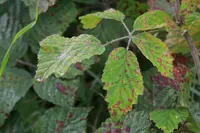
Leaves are typically 3–5 lobed with a textured, pectin-like (comb-toothed) margin that gives the species its name pectinellus, meaning finely toothed or combed.

Mountain forest native

Rubus pectinellus is naturally found in cool, humid, often montane forests of Taiwan and nearby regions, where it grows in partial shade along forest edges, slopes, and clearings.

FAQs about atibulnak

This species forms low, creeping mats and spreads steadily by stems that root at the nodes. In suitable conditions it can cover ground effectively, so give it space and edge beds if containment is important.

Grow Healthy Plants with Botan Care

Keep your plants happy and healthy with plant identification, disease detection, and easy care guidance.

Botan plant care app — identify plants on mobile

Explore More Plants