bigtooth maple Care (Acer grandidentatum)

bigtooth maple

About bigtooth maple

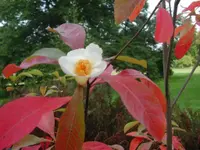
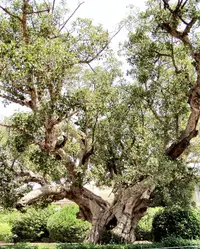
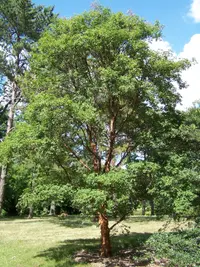
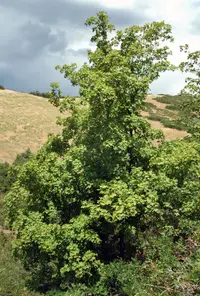
Bigtooth maple, Acer grandidentatum, is a small to medium deciduous tree valued for its sturdy structure and reliable fall color. It typically has a rounded crown, thick branches, and leaves with large, blunt teeth that turn orange to red in autumn.

This species is native to the interior West of North America, often found in canyons, foothills, and mountain slopes. It is generally tough and adaptable, which makes it easier to establish than many more delicate maples.

Bigtooth maple prefers full sun to light shade, moderate moisture, and well-drained, slightly alkaline to neutral soils. Understanding how to care for bigtooth maple starts with selecting a suitable site that matches these natural conditions.

Main Plant Requirements

Care Difficulty

Moderate Care

Light Preference

Full Sun

Water Requirements

Moderate Water

Temperature Preference

Cold Hardy

Hardiness Zone

4–8

Soil Texture

Loamy, Sandy, Rocky

Soil pH

Slightly acidic (6.5–7.0), Neutral (7.0)

Soil Drainage

Well-drained

Fertilization

Minimal (feed rarely)

Get Personalized Care Plan

Scan your plant to receive care tips personalized for your specific plant

Available on iOS and Android

How to Care for the bigtooth maple

This species thrives in bright outdoor conditions with a balance of direct sun and partial shade.

  • Provide 4–6 hours of direct sun daily, with morning sun preferred and light afternoon shade in hotter regions to protect leaves from scorch.
  • In cooler climates, bigtooth maple can handle full sun all day if soil moisture is consistent and roots are mulched.
  • Young or recently transplanted trees benefit from some temporary filtered light, especially during late spring and summer when sun intensity peaks.

Acer grandidentatum prefers evenly moist, well-drained soil that never stays soggy for long periods.

  • Allow the top 5–8 cm of soil to dry between deep waterings, focusing on slow soaking that reaches the full root zone rather than frequent light splashes.
  • Increase watering during the first 2–3 growing seasons and in hot, dry spells; reduce frequency in cool, rainy periods and during dormancy.
  • Watch for stress signs: yellowing leaves or dieback can indicate waterlogged conditions, while crisp leaf edges and early leaf drop suggest drought.

This maple is a cold-hardy tree that tolerates a broad range of outdoor temperatures when established.

  • Optimal active growth occurs around 60–80°F (16–27°C), with strong performance in regions that have distinct seasons and moderate summer heat.
  • Mature trees tolerate winter lows near -20°F (-29°C), but young saplings benefit from some protection from drying winds and rapid freeze–thaw cycles.
  • In hot climates with summer highs above 95°F (35°C), provide soil mulch and occasional shade to limit heat stress and reduce leaf scorch risk.

This species tolerates a wide humidity range and usually does not need special humidity management outdoors.

Acer grandidentatum prefers loose, well-drained, slightly alkaline mineral soils that do not stay waterlogged after rain.

  • Use a loamy or sandy-loam soil with moderate organic matter to encourage deep, stable root development.
  • Aim for pH around 7.0–8.0; in acidic soils, incorporate garden lime following product directions to raise pH slowly.
  • Improve drainage and aeration by mixing in coarse sand or small gravel in heavier clay-based sites before planting.
  • Avoid compacted, poorly drained ground or spots where runoff collects, which significantly increase risk of root and trunk stress.

This species can be grown in containers when young, but long-term culture is challenging due to its eventual size and root needs.

  • Choose a wide, heavy container to counterbalance the top-heavy canopy and reduce tipping in strong winds.
  • Use a deep pot that allows a strong vertical root run, which helps stabilize the tree as it gains height.
  • Prefer thick-walled terracotta or concrete containers in hot regions to keep root temperatures more stable in full sun.

Acer grandidentatum usually needs minimal feeding once established, especially in native or well-prepared soil.

  • For young or container-grown trees, use a balanced slow-release fertilizer (such as 10-10-10) in early spring.
  • Apply a light rate only, following label directions, and avoid high-nitrogen lawn products near the root zone.
  • Supplement with compost or leaf mold over the root area yearly to improve soil structure and nutrient availability.
  • Stop feeding bigtooth maple by late summer and do not fertilize during winter dormancy to prevent weak, tender growth.

Pruning for Acer grandidentatum focuses on structural health and safe clearance rather than heavy shaping.

  • Carry out main pruning in late winter to early spring before buds break, avoiding heavy cuts in late summer or fall.
  • Remove dead, diseased, or storm-damaged branches first, cutting back to a healthy lateral branch or the branch collar.
  • Thin crowded, crossing, or inward-growing shoots to open the canopy and maintain a strong single or few-leader structure.
  • Use clean, sharp bypass pruners or a pruning saw, making smooth cuts to reduce the risk of decay and pests.

This maple is usually grown in the ground; transplanting young trees is more common than long-term container culture.

  • Plan to transplant in late fall after leaf drop or very early spring while the tree is still dormant.
  • Select trees with a compact root ball; signs they are ready include roots circling the pot and slowed top growth.
  • Prepare a wide planting hole in well-drained soil, set the root flare at soil level, and backfill firmly without air pockets.
  • Water deeply after transplanting, mulch 5–8 cm over the root zone, and keep soil evenly moist for the first 1–2 growing seasons to limit stress.

Propagation of Acer grandidentatum is usually done by seed and requires patience and specific temperature conditions.

  • Collect ripe seeds in fall and sow fresh or store cool and dry until treatment.
  • Provide cold stratification at about 34–41°F for 3–4 months to break seed dormancy and improve germination.
  • Sow stratified seed in a free-draining seed mix, cover lightly, and keep evenly moist in bright, indirect light.
  • Softwood cuttings in early summer sometimes root with hormone and high humidity, but success rates are generally low.

Mature Acer grandidentatum is cold hardy in much of its range and generally needs little targeted winter care.

  • In cold climates, apply 5–8 cm of organic mulch over the root zone, keeping it slightly away from the trunk.
  • Newly planted or young trees benefit from trunk wrapping with breathable tree guards to reduce sunscald and cracking.
  • Container-grown plants in colder areas should be moved to a sheltered, unheated space or their pots heavily insulated.

Care Tips

Protect Young Trunks

Install light-colored tree guards or wrap young trunks with breathable trunk wrap from late fall to early spring to prevent sunscald and frost cracks on exposed bark.

Encourage Strong Structure

During the first 5–7 years, selectively remove or shorten narrow branch crotches and competing leaders in late winter so the tree develops a single strong central leader and wide-angled scaffold branches.

Mulch for Root Health

Apply a 5–8 cm layer of coarse organic mulch in a wide ring that extends at least to the drip line, keeping it 5–8 cm away from the trunk to moderate soil temperature, conserve moisture, and protect surface feeder roots.

Manage Soil Salts

In areas with hard irrigation water or alkaline soils, leach salts by giving the root zone an occasional deep irrigation that thoroughly soaks and then drains the soil, which supports healthier foliage when growing bigtooth maple.

Drought Conditioning Plan

After establishment, gradually extend the interval between deep waterings over 2–3 seasons rather than stopping irrigation abruptly, which helps roots grow deeper and improves long-term drought resilience.

Common Pests and Diseases

Maple bladder gall

This pest causes small, rounded, often reddish or green blisters on the upper surface of leaves, most noticeable in spring. These galls are formed by tiny mites feeding inside leaf tissue.

Solution

No chemical control is usually needed; damage is mostly cosmetic. Rake and dispose of fallen leaves to reduce overwintering mites and keep the tree well watered and unstressed so new, healthy foliage develops normally.

Maple leafcutter

These insects cut small, irregular patches from leaves, which may look tattered or ragged by late summer. Symptoms include brown, skeletonized areas and pieces missing between veins.

Solution

Light infestations can be managed by leaving them alone, as trees usually tolerate the damage. For heavier activity, encourage birds and beneficial insects, avoid broad-spectrum insecticides, and prune out heavily infested twigs that can be safely reached.

Leaf scorch

Symptoms include browning and drying of leaf edges and tips, often on sun‑exposed or wind‑exposed sides of the tree during hot, dry weather. Leaves may curl and drop early, especially on newly planted or drought‑stressed trees.

Solution

Improve soil moisture by deep, infrequent watering, especially during hot, dry periods, and maintain a 5–8 cm layer of mulch over the root zone, kept away from the trunk. Avoid heavy fertilization and protect trees from reflected heat or hot, drying winds where possible.

Verticillium wilt

This disease causes sudden wilting, yellowing, and dieback of individual branches, often on one side of the tree. Symptoms include discolored sapwood under the bark and progressive decline over time.

Solution

Prune out and destroy affected branches back to healthy wood, disinfecting tools between cuts, and keep the tree well watered and mulched to reduce stress. Do not replant maples or other susceptible species in the same spot if a tree dies, and consult a local arborist for confirmation and long‑term management options.

Gall‑forming aphids

These insects create small, distorted swellings or folds on leaves and excrete honeydew, which can lead to sooty mold on surfaces below. This pest is usually more of a cosmetic issue than a health threat for established trees.

Solution

Encourage natural predators such as lady beetles, and rinse accessible foliage with a firm stream of water to reduce aphid numbers. Avoid excessive nitrogen fertilization that promotes soft, aphid‑prone growth, and prune off heavily galled, low branches if practical without disfiguring the tree.

Interesting Facts

Southwestern relict maple

Bigtooth maple is one of the few native maples adapted to the dry, high-elevation canyons of the southwestern US, where most maples would struggle to survive. Its natural range is patchy, forming relict populations in cool, moist microsites within otherwise arid landscapes.

Variable autumn color

This species shows strong genetic variation in fall foliage, producing trees with stable yellow, orange, or red color forms rather than a single uniform color. Many ornamental selections in cultivation come from naturally vivid red or orange individuals found in the wild.

Limestone specialist roots

Bigtooth maple is unusually tolerant of alkaline, limestone-derived soils that cause nutrient problems for many other maples. Its roots and associated soil microbes are adapted to higher soil pH, which helps it access nutrients in these calcareous habitats.

Botan icon

Did you know?

Genetic and morphological studies indicate that bigtooth maple is closely related to the sugar maple complex, and it is sometimes treated as a subspecies or variety of Acer saccharum, illustrating an active scientific debate over its exact taxonomic status.

FAQs about bigtooth maple

Growth is moderate rather than very fast. In suitable conditions, this tree often adds about 30–45 cm per year when young, slowing as it matures. Soil quality, moisture, and climate strongly influence the actual growth rate.

Grow Healthy Plants with Botan Care

Keep your plants happy and healthy with plant identification, disease detection, and easy care guidance.

Botan plant care app — identify plants on mobile

Explore More Plants