yellow mombin Care (Spondias mombin)

Also known as: hog plum
yellow mombin

About yellow mombin

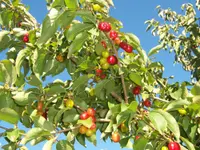
Yellow mombin, Spondias mombin, is a tropical fruit tree in the cashew family, grown mainly for its small, tangy yellow fruits. It forms a medium to tall tree with a rounded, open crown and feathery, pinnate leaves that give it a light, airy appearance.

The species is native to tropical regions of Central and South America but is also cultivated in other warm, frost-free climates. It grows relatively fast and is vigorous, but its size and climate needs make it better suited to outdoor planting in warm regions.

Those who want to care for yellow mombin should provide plenty of sun, warmth, and a well-drained soil with regular moisture during active growth.

Main Plant Requirements

Care Difficulty

Moderate Care

Light Preference

Full Sun

Water Requirements

Moderate Water

Temperature Preference

Tropical / Frost Sensitive

Hardiness Zone

10–12

Soil Texture

Sandy, Loamy, Organic-rich

Soil pH

Acidic (5.5–6.5), Slightly acidic (6.5–7.0)

Soil Drainage

Well-drained

Fertilization

Minimal (feed rarely)

Get Personalized Care Plan

Scan your plant to receive care tips personalized for your specific plant

Available on iOS and Android

How to Care for the yellow mombin

This tropical fruit tree needs strong light to produce good growth and flowering.

  • Provide full sun for 6–8 hours per day; young yellow mombin trees benefit from morning sun with some protection from intense late-afternoon rays in very hot climates.
  • Tree tolerates light partial shade (2–4 hours less sun), but fruiting and branch density decrease as shade increases.
  • Avoid sudden exposure changes; gradually thin surrounding shade over 2–3 weeks, and watch for leaf scorch (brown, crispy edges) or sparse, elongated shoots as signs of light stress.

This species prefers consistent moisture but is sensitive to waterlogged soil.

  • In well-drained ground, water deeply when the top 5–8 cm of soil feels dry, aiming for a slow soak that wets the root zone rather than light, frequent splashes.
  • Reduce watering in the cool or dry season once established, but do not let soil stay powder-dry for more than a few days; slight leaf droop and dull foliage signal the need for water.
  • Ensure soil drains freely; persistent puddling, sour smell, yellowing lower leaves, or soft new growth suggest overwatering, while brittle twigs and crisp leaf edges point to underwatering in Spondias mombin.

This tree is adapted to warm, frost-free tropical and subtropical climates.

  • Best growth occurs around 75–90°F (24–32°C); flowering and fruit set are most reliable when temperatures stay within this band for much of the growing season.
  • The tree is highly frost-sensitive; tissue damage often begins near 32°F (0°C), and young plants can die with brief exposure below 30°F (-1°C).
  • Mature trees tolerate short heat waves up to about 100–104°F (38–40°C) if soil moisture is maintained, but hot, dry winds increase leaf scorch and may reduce fruit quality.

This species handles a wide humidity range but grows best in moderately humid air.

  • Target 50–70% humidity for stronger foliage and better flowering on yellow mombin.
  • It tolerates drier air down to about 30%, but prolonged very dry conditions can slow growth.
  • Watch for leaf edge browning or tip scorch as signs of low humidity stress and, if needed, group plants or mist foliage lightly in hot, dry spells.

This species prefers loose, well-aerated soil that drains freely yet holds moderate moisture.

  • Use a sandy or sandy-loam mix with 30–40% coarse sand plus 20–30% compost to support root development in Spondias mombin.
  • Ensure rapid drainage by adding materials like perlite or fine gravel, especially in heavier native soils.
  • Aim for slightly acidic to neutral pH around 6.0–7.0 to support nutrient availability.
  • Avoid heavy, compacted, or waterlogged soil, which encourages root rot and stunted growth; break up dense layers before planting.

This tree can be grown in containers when kept small and given a deep, stable pot.

  • Choose a tall, heavy container that resists tipping as the woody trunk and canopy gain weight.
  • Select a pot material with some weight, such as thick plastic or clay, to balance vigorous top growth in windy spots.
  • Provide extra-deep substrate so the strong taproot and lateral roots can anchor without circling tightly near the surface.

This tropical fruit tree benefits from moderate, targeted feeding during active growth to support healthy canopy and fruiting.

  • Apply a balanced granular or slow-release fertilizer (around 10-10-10) at the start of the warm growing season, following label rates.
  • Supplement with a light layer of compost over the root zone 1–2 times during the growing season for organic nutrients and soil structure.
  • Use half-strength balanced liquid feed for young container plants every 4–6 weeks in warm months, then stop feeding in cool or dormant periods.
  • When caring for yellow mombin, keep fertilizer off the trunk, water in thoroughly, and avoid overfeeding to limit excessive vegetative growth.

Spondias mombin responds well to thoughtful structural pruning that improves light penetration and fruiting wood quality.

  • Carry out main pruning at the end of the dry or cool season, just before strong new growth begins.
  • Remove dead, diseased, crossing, or storm-damaged branches first, using clean, sharp bypass pruners or a pruning saw.
  • Thin crowded interior shoots to open the canopy, improving air flow and light distribution to developing fruit.
  • Shorten overly vigorous upright shoots to maintain a strong central framework and manageable tree height for harvest.

This species is more often transplanted to the ground than kept long term in containers, but young plants may start in pots.

  • Shift container seedlings when roots circle the pot base or growth slows, typically every 1–2 years in early warm season.
  • Transplant field-grown Spondias mombin at the onset of the rainy or growing season so roots establish quickly.
  • Prepare a wide planting hole with well-drained soil, setting the tree at the same depth as in its nursery container.
  • Reduce root stress by watering thoroughly before and after moving, keeping the root ball intact, and shading the canopy for 1–2 weeks.

New Spondias mombin plants are commonly produced from seeds and woody cuttings under warm, moist conditions.

  • Collect ripe fruits, clean seeds, and sow them in a well-drained, slightly moist mix in warm temperatures around late spring or early summer.
  • Use semi-hardwood or hardwood cuttings 20–30 cm long, taken in the growing season and planted in a free-draining medium.
  • Maintain high humidity and consistent warmth for cuttings, while keeping the medium just moist to limit rot.
  • Label seed and cutting batches and discard any material showing fungal decay or insect damage to keep stock healthy.

This tropical tree is frost sensitive and needs protection in regions with cool winters or occasional freezes.

  • In-ground trees in marginal climates benefit from 5–8 cm of organic mulch over the root zone, kept away from the trunk.
  • Wrap young trunks with breathable frost cloth or similar material during predicted cold snaps to limit tissue damage.
  • Move container plants indoors or into a heated greenhouse before temperatures drop below about 40°F, providing bright light and reduced watering.

Care Tips

Windward staking

Install a sturdy stake or short windbreak on the prevailing-wind side of young trees for the first 2–3 years to reduce root rock and help the trunk develop straight, strong taper.

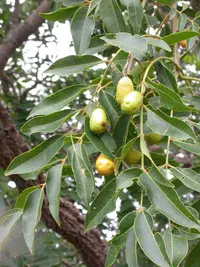
Fruit thinning practice

On heavy-bearing branches, remove roughly 1/3 of the developing fruit clusters early in the season to reduce limb breakage and encourage larger, better-quality fruit.

Rootzone mulching

Maintain a 5–8 cm deep organic mulch ring extending at least 60–90 cm from the trunk, keeping it 5–8 cm away from the bark to stabilize soil moisture, moderate temperature, and reduce weed competition.

Sanitation after storms

After strong winds or storms, promptly remove torn, hanging, or damaged branches with clean cuts to reduce entry points for pathogens and encourage healthy regrowth.

Youth canopy training

During the first 3–4 years, select 3–5 evenly spaced main scaffold branches and remove steep, crossing, or low branches to build a balanced, accessible canopy that simplifies caring for yellow mombin later on.

Common Pests and Diseases

Fruit fly infestation

This pest targets ripening fruits, causing soft spots, internal breakdown, and premature fruit drop. Symptoms include small puncture marks on the skin and larvae feeding inside the yellow mombin fruits.

Solution

Collect and destroy infested and fallen fruits daily, and use fine-mesh fruit bagging or netting around clusters to prevent egg laying. In outdoor plantings, deploy protein-baited traps or attract-and-kill stations placed around the canopy and maintain good orchard hygiene to reduce local fruit fly populations.

Fruit borer

This pest bores into developing fruits, leaving entry holes, frass, and distorted or prematurely dropping fruit. Damage reduces both yield and fruit quality.

Solution

Prune to keep the canopy open so damaged fruits are easier to spot, then remove and destroy all infested fruits promptly to break the life cycle. Where pressure is high, use light traps or pheromone traps for monitoring, and apply targeted biological insecticides such as Bacillus thuringiensis (Bt) to young fruits according to label directions.

Anthracnose

This disease causes dark, sunken lesions on fruits, leaves, and young twigs, often leading to fruit spotting, cracking, and early drop. In humid conditions, symptoms include expanding brown patches and possible defoliation of tender foliage.

Solution

Prune to improve airflow, avoid overhead watering, and remove infected leaves and mummified fruits from the tree and ground. In wet or very humid climates, apply a registered copper-based or biofungicide spray at early flowering and during fruit set, following label guidance and spacing treatments to protect new growth.

Leaf spot

This disease produces small brown to black spots on leaves that may merge into larger blotches, sometimes surrounded by yellow halos. Severe infections can lead to partial defoliation and reduced vigor.

Solution

Rake and dispose of fallen leaves, thin dense growth to lower humidity in the canopy, and avoid wetting foliage late in the day. If spotting progresses, use a preventive fungicide labeled for tropical fruit trees, applied at low to moderate strength, and repeat only as necessary while monitoring new growth closely.

Scale insects

These insects attach to stems and leaf veins, sucking sap and weakening the tree. Symptoms include yellowing leaves, sticky honeydew, and sooty mold growing on the sugary deposits.

Solution

For light infestations, scrub affected twigs and leaves gently with a soft cloth or brush dipped in water with a small amount of mild soap, then rinse. In heavier cases, encourage natural predators like lady beetles and apply horticultural oil thoroughly over stems and leaf undersides during cooler parts of the day, repeating after 7–14 days if needed.

Interesting Facts

Distinctive leaf behavior

The compound leaves are sensitive to light changes and may partially fold or droop toward evening, a nyctinastic response that helps reduce water loss and protect leaf surfaces at night.

Fruit pulp and fermentation

The yellow, fibrous fruits are naturally rich in organic acids and sugars, which makes the pulp well suited for traditional fermented drinks and vinegars in parts of tropical America and West Africa.

Seed dispersal by wildlife

In its native range, the tree relies heavily on mammals such as bats and primates that eat the fruits and disperse the hard seeds over long distances, helping maintain genetic exchange among wild populations.

Botan icon

Did you know?

Genetic and archaeological evidence indicates that yellow mombin was managed and spread by Indigenous peoples of Central and South America long before European contact, leading to semi-domesticated populations that now persist around ancient settlement sites and forest edges.

FAQs about yellow mombin

The fruits are edible and widely used fresh, in juices, jams, and preserves. The taste is acidic to sweet-sour. The skin and pulp are consumed; the large seed is not eaten but is not known as toxic.

Grow Healthy Plants with Botan Care

Keep your plants happy and healthy with plant identification, disease detection, and easy care guidance.

Botan plant care app — identify plants on mobile

Explore More Plants