Astrocaryum paramaca Care

Astrocaryum paramaca

About Astrocaryum paramaca

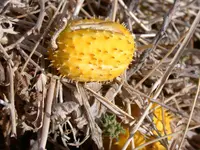
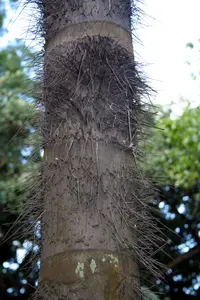
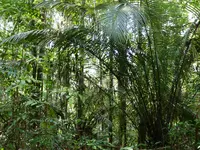
Astrocaryum paramaca is a spiny, clustering palm native to tropical rainforests of northern South America. It usually grows as an understory palm with multiple slender stems. The trunk and leaf stalks carry strong, sharp spines, which is its most distinctive trait and a key factor in handling and placement. Its foliage forms graceful, arching fronds that create a dense, tropical canopy look. In nature it prefers warm, humid, shaded to semi-shaded conditions and well-drained but consistently moist soil. These strict climate needs and the heavy armature of spines make it challenging to cultivate outside specialized collections, so anyone planning to care for Astrocaryum paramaca should be prepared for a demanding plant.

Main Plant Requirements

Care Difficulty

Hard Care

Light Preference

Partial Shade

Water Requirements

Regular Water

Temperature Preference

Tropical / Frost Sensitive

Hardiness Zone

11–12

Soil Texture

Sandy, Loamy, Organic-rich

Soil pH

Acidic (5.5–6.5)

Soil Drainage

Moist but well-drained

Fertilization

Minimal (feed rarely)

Get Personalized Care Plan

Scan your plant to receive care tips personalized for your specific plant

Available on iOS and Android

How to Care for the Astrocaryum paramaca

This tropical palm prefers bright, filtered light similar to an understory rainforest habitat.

  • Provide 4–6 hours of bright, filtered sun daily, such as dappled light under taller trees or through light shade cloth.
  • Tolerates partial shade, especially strong afternoon shade; direct midday sun in open sites can scorch fronds and bleach new growth.
  • In hot summers, shift exposure toward early morning sun and stronger shade after 11 a.m.; in cooler seasons, allow more gentle sun to support growth.

This species prefers consistently moist but not waterlogged soil around its deep root system.

  • Allow the top 3–5 cm of soil to lose surface sheen before watering again, keeping deeper soil slightly damp in the root zone.
  • Use deep, infrequent watering that fully soaks the soil, combined with excellent drainage; avoid standing water, which promotes root rot and foul smell.
  • In hotter months, check moisture every few days; in cooler or rainy seasons, reduce frequency and watch for yellowing fronds or soft crown as signs of excess water.

This palm is strictly tropical and reacts poorly to cold conditions.

  • Best growth occurs at 75–90°F (24–32°C), with warm, humid air and minimal temperature swings between day and night.
  • Avoid exposing plants to temperatures below 55°F (13°C); brief dips near 50°F (10°C) can slow growth, while frost can kill young tissues.
  • In hot climates, Astrocaryum paramaca tolerates 95°F (35°C)+ if soil moisture and humidity stay high, but protect from hot, drying winds to limit stress.

This palm needs consistently high humidity to perform well in cultivation.

  • Aim for 60–80% humidity, as Astrocaryum paramaca comes from very moist tropical habitats.
  • Brown leaflet tips, stalled growth, and increased spider mite activity indicate air is too dry.
  • Increase humidity with grouped plants, large pebble trays under pots, or room humidifiers rather than frequent misting.

This species needs deep, moist, very well-drained soil that mimics a loose tropical forest floor.

  • Use a coarse, organic-rich mix such as 50% composted bark, 25% coarse sand, and 25% perlite or pumice.
  • Ensure rapid drainage while retaining moisture; water should pass through within seconds but soil stay slightly damp.
  • Keep pH slightly acidic to neutral (pH 5.5–7.0) by avoiding heavy lime applications and using composted materials.
  • Improve aeration by avoiding fine peat-only mixes that compact, and do not allow soil to become waterlogged or swampy.

This palm can be grown in large containers for some years but needs careful management of space and stability.

  • Choose a tall, heavy container that resists tipping as the crown becomes larger and wind-exposed.
  • Select a pot deep enough to allow a strong taproot and avoid shallow, dish-like containers that restrict anchoring.
  • Raise the container on blocks so large drainage holes remain fully open and excess water can exit quickly.

This palm benefits from modest feeding when cultivated in managed landscapes or large containers.

  • Use a balanced slow-release palm fertilizer or general NPK 10-10-10 applied at half label rate in spring.
  • Feed Astrocaryum paramaca 2–3 times during the warm growing season, spacing applications evenly.
  • Avoid fertilizing in winter or cool dormant periods to prevent weak, etiolated growth.
  • Water thoroughly after applying fertilizer to move nutrients into the root zone and reduce salt buildup.

This species needs minimal pruning, focused on health and safety rather than shaping.

  • Best time for pruning is late dry season or late winter, before strong new growth begins.
  • Remove only dead, diseased, broken, or dangerously low fronds from Astrocaryum paramaca.
  • Cut fronds cleanly at the base with sharp bypass loppers or a pruning saw, avoiding trunk wounds.
  • Do not remove green fronds unnecessarily, as this reduces photosynthesis and can weaken the palm.

Astrocaryum paramaca is usually field-grown, so guidance focuses on transplanting young palms rather than frequent repotting.

  • Transplant in warm weather when soil is consistently above 65°F to reduce shock.
  • Look for circling roots, slowed growth, or roots emerging from drainage holes as signals to shift container plants up 1 pot size.
  • Keep as much original root ball as possible, handle spines carefully, and backfill with well-drained, organic-rich soil.
  • Water deeply, provide partial shade for several weeks, and maintain even moisture to help roots re-establish.

Propagation of this palm is typically done from seed and is slow but reliable under stable warm conditions.

  • Collect fully ripe fruits, clean seeds, and sow soon after harvest for best viability of Astrocaryum paramaca.
  • Sow seeds in deep pots with a well-drained, slightly sandy mix and keep at 77–86°F.
  • Maintain constant, lightly moist conditions and be patient, as germination may take several months or longer.
  • Provide bright shade and good air movement for seedlings, avoiding direct harsh sun until they are well established.

This tropical palm is not frost hardy and needs careful winter management outside lowland tropics.

  • Avoid exposure to temperatures below 40°F, as foliage and growing point are sensitive to cold.
  • Apply a 5–8 cm mulch layer around the root zone in the ground, keeping material away from the trunk.
  • Move container plants indoors or to a heated greenhouse, ensuring bright light and reduced watering.
  • Ensure soil drains well in winter to prevent cold, waterlogged conditions that can damage roots.

Care Tips

Protective handling gear

Use sturdy gloves and long sleeves when handling this palm, and remove older fronds with long-handled tools to avoid injury from the sharp spines and to keep access paths safe for maintenance.

Permanent site planning

Plant it in a location where it can stay long term, leaving at least 2–3 m clearance from paths and structures, since transplanting established specimens is difficult and stressful for the root system.

Mulch for root stability

Apply a 5–8 cm layer of coarse organic mulch around but not touching the trunk base to buffer soil temperature, reduce erosion, and keep the shallow feeder roots protected in windy or seasonally dry sites.

Storm and wind management

In cyclone- or hurricane-prone regions, keep surrounding canopy trees pruned and remove weak or crossing fronds so wind loads are better distributed and breakage risk is reduced.

Seedling shade transition

For nursery-grown plants, gradually reduce shade over 4–6 weeks before planting out by increasing light exposure a little each week, which hardens the foliage and reduces transplant shock when growing Astrocaryum paramaca outdoors.

Common Pests and Diseases

Rhynchophorus palm weevil

This pest bores into the palm crown and trunk, causing hidden internal damage that leads to wilting and crown collapse. Symptoms include yellowing of the youngest leaves, oozing sap, and a fermented or foul odor near the growth point.

Solution

Remove and destroy heavily infested plants to prevent spread, and monitor remaining palms for early signs of yellowing or soft tissue at the crown. For valuable specimens, use systemic insecticides labeled for palm weevils applied as soil drenches or trunk treatments, and avoid mechanical wounds that attract adults.

Palm leaf-miner larvae

These insects create winding, translucent tunnels inside young leaflets, which later turn brown and reduce the leaf’s photosynthetic area. Damage is often most visible on newly expanded fronds of juvenile plants grown in understory or nursery conditions.

Solution

Prune and discard leaves with active mining to remove larvae before they complete development, and keep fallen fronds away from the planting area. In nursery or high-value plantings, use targeted systemic insecticides against leaf-mining larvae and encourage natural predators by limiting broad-spectrum sprays.

Scale insects

These insects attach to leaf stalks, midribs, and sometimes fruits, sucking sap and excreting honeydew that can lead to sooty mold. Symptoms include sticky surfaces, yellow spotting on leaflets, and small, bump-like shells clustered along veins.

Solution

For light infestations, wipe or gently scrub affected areas with a soft cloth or brush dipped in water with a small amount of mild soap, then rinse thoroughly. For larger populations, apply horticultural oil or insecticidal soap to all leaf and rachis surfaces, repeating at 7–14 day intervals until new growth appears clean.

Graphiola leaf spot

This disease causes small, black, raised spots on leaflets, sometimes with a yellow halo, giving affected fronds a peppered appearance. Over time, heavily spotted leaves lose vigor and may die prematurely, reducing the plant’s overall photosynthetic capacity.

Solution

Remove and dispose of older, heavily infected fronds to reduce spore sources, cutting them cleanly and avoiding injury to the crown. Improve airflow around the palm, avoid overhead irrigation that keeps foliage wet, and in nursery settings consider protectant fungicide sprays labeled for palm leaf spots during warm, humid periods.

Phytophthora bud rot

This disease attacks the central growing point, causing spear leaves to wilt, turn brown, and eventually pull out easily from the crown with a soft, decayed base. Symptoms include a water-soaked appearance at the leaf base and a sour or rotten odor from the bud region.

Solution

At the first sign of spear leaf decline, remove the affected spear and apply a systemic fungicide labeled for Phytophthora on palms as a drench around the crown and root zone. Improve drainage, avoid water standing near the stem, and space plants to allow good air movement, which is essential for proper Astrocaryum paramaca care.

Interesting Facts

Spiny trunk armor

This palm develops a dense covering of hard black spines along its trunk and leaf bases, thought to protect the plant from climbing herbivores and fruit predators in lowland Amazonian forests.

Amazon forest specialist

It is native to humid lowland rainforests of the Guianas and nearby Amazon regions, where it grows on well-drained forest soils rather than flooded habitats and often forms part of the mid-story palm layer.

Wildlife food resource

Its fleshy fruits are eaten by various forest animals, which then disperse the seeds, making the species part of the broader seed-dispersal network in Neotropical forests and indirectly supporting forest regeneration dynamics.

FAQs about Astrocaryum paramaca

Growth is slow to moderate. Seedlings often take several years to develop a sturdy trunk, then extend gradually. In suitable tropical conditions, expect noticeable height increases over many seasons rather than each year, especially outside its native range.

Grow Healthy Plants with Botan Care

Keep your plants happy and healthy with plant identification, disease detection, and easy care guidance.

Botan plant care app — identify plants on mobile

Explore More Plants