


Controlled vine training
Install a simple trellis or low wire frame and gently guide young shoots horizontally rather than straight up so the plant produces more flowering side shoots and fruits in easier-to-harvest positions.

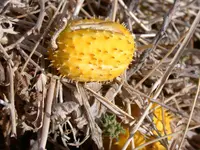
Cucumis prophetarum is a wild cucumber species from arid and semi-arid regions of East Africa and parts of the Middle East. It is a scrambling or climbing vine with tendrils, small yellow flowers, and spiny, oval fruits that often turn yellowish when mature.
The plant is adapted to dry, rocky, and disturbed habitats, which hints at its toughness and drought tolerance. In cultivation, it tends to grow vigorously if given support, warmth, and free-draining soil.
Because it is not a common ornamental, information on how to care for cucumis is limited, and growth can be more challenging for beginners without prior vining plant experience.

Care Difficulty
Moderate Care

Light Preference
Full Sun

Water Requirements
Moderate Water

Temperature Preference
Tropical / Frost Sensitive

Hardiness Zone
10–12

Soil Texture
Sandy, Loamy, Organic-rich

Soil pH
Acidic (5.5–6.5), Slightly acidic (6.5–7.0)

Soil Drainage
Well-drained

Fertilization
Light (every 4–6 weeks)
Scan your plant to receive care tips personalized for your specific plant
Available on iOS and Android
This drought-tolerant wild cucumber prefers strong light but needs some protection from harsh extremes.
Cucumis prophetarum prefers infrequent, deep watering with time for the soil to dry between soakings.
This species is adapted to warm, arid or semi-arid climates and reacts poorly to cold, wet conditions.
This dryland Cucumis species handles typical indoor humidity but benefits from moderate moisture in the air.
Cucumis prophetarum prefers a loose, fast-draining, slightly sandy mix that still holds some organic matter.
This species is suitable for container growing when the pot is prepared to support its vining habit and root spread.
Cucumis prophetarum benefits from light, targeted feeding during its active growing season.
Pruning Cucumis prophetarum focuses on maintaining healthy vines and controlling spread rather than creating a formal shape.
This species is more often transplanted outdoors than repotted, since it is typically grown as a groundcover or scrambling vine.
Cucumis prophetarum is most commonly raised from seed, which suits its vining, annual-to-short-lived perennial habit.
This warm-adapted species has low frost tolerance and needs protection in regions with cold winters.

Plant Health Check
Not sure what's wrong with your plant? Check your plant's health inside the app.
This species is naturally distributed across dry regions from northeastern Africa to the Arabian Peninsula, where it grows on rocky slopes, sandy soils, and disturbed ground in semi-arid climates.
The small, yellow-striped fruits are strongly bitter due to triterpenoid compounds, and are not used as a food crop despite the plant belonging to the cucumber and melon genus.
The plant forms low, scrambling vines with bristly or spiny stems and leaves that help deter herbivores and allow it to weave through surrounding vegetation for support.

Cucumis prophetarum is considered one of the wild relatives of cultivated cucumbers and melons, and is included in genetic resource collections because its tolerance to heat and drought is valuable for breeding more resilient crops.
This species is a scrambling vine that can spread steadily by long stems and seed, but it is usually not aggressively invasive in managed gardens. Regular pruning and prompt removal of unwanted seedlings keep growth in check.
Keep your plants happy and healthy with plant identification, disease detection, and easy care guidance.


Prionosciadium thapsoides
Prionosciadium thapsoides
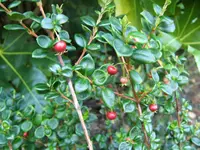
Chilean guava
Ugni molinae
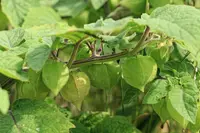
strawberry tomato
Physalis pruinosa

Campomanesia xanthocarpa
Campomanesia xanthocarpa
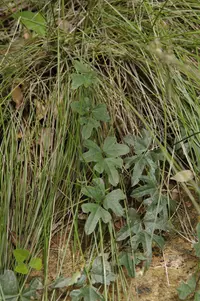
slimjim bean
Phaseolus filiformis
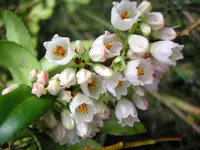
thinleaf huckleberry
Vaccinium membranaceum
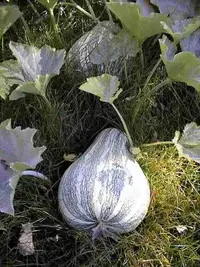
cushaw pumpkin
Cucurbita argyrosperma
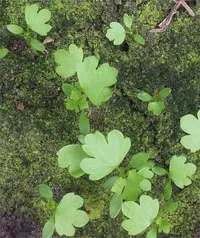
Garden Celery
Apium graveolens var. dulce