

Tuber protection
Plant the tuber on a slight mound of gritty mix and keep its top exposed above the soil line to reduce rot risk and make it easier to monitor for soft spots or damage.

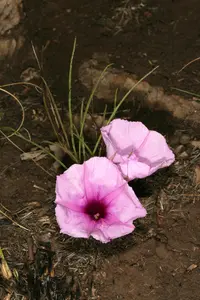
Ipomoea bolusiana is a small, tuberous perennial from arid regions of southern Africa. It belongs to the morning glory group, but grows as a compact, low plant rather than a vigorous vine. Plants develop swollen underground storage roots and send up delicate, often trailing stems with attractive, funnel-shaped flowers. Foliage is usually sparse, helping the plant cope with drought and high light. This species suits growers who enjoy succulents and other water-storing plants and who can provide bright light, excellent drainage, and careful watering. Anyone wanting to learn how to care for Ipomoea bolusiana should treat it more like a caudiciform succulent than a typical flowering vine.

Care Difficulty
Hard Care

Light Preference
Full Sun

Water Requirements
Low Water

Temperature Preference
Tropical / Frost Sensitive

Hardiness Zone
Unknown

Soil Texture
Sandy, Loamy, Rocky

Soil pH
Slightly acidic (6.5–7.0), Neutral (7.0)

Soil Drainage
Well-drained

Fertilization
Minimal (feed rarely)
Scan your plant to receive care tips personalized for your specific plant
Available on iOS and Android
This species prefers bright, open conditions similar to its native sunny habitats.
Watering should respect the plant’s tuberous, drought-adapted root system.
This species is adapted to warm, relatively dry climates with mild winters.
This species tolerates a broad humidity range but grows best with moderately dry air.
This species prefers fast-draining, sandy to loamy soil that mimics its native, rocky habitats.
This species is suitable for container growing when the pot is chosen to protect its tuber and manage fast drainage.
Feeding is modest for Ipomoea bolusiana, which is adapted to relatively lean, well-drained soils.
Pruning needs are light, mainly to maintain health and a compact, tidy form for Ipomoea bolusiana.
This species is more often grown in the ground, but container plants benefit from careful transplanting to avoid root stress.
New plants are usually raised from seeds, with stem cuttings also possible under warm, bright conditions.
Cold sensitivity means plants in cooler climates need thoughtful winter management to maintain long-term health.

Plant Health Check
Not sure what's wrong with your plant? Check your plant's health inside the app.
This species forms a swollen underground or partially exposed caudex that stores water and reserves, an adaptation to the dry, rocky habitats of the Eastern Cape and KwaZulu-Natal in South Africa.
Despite its thick, bonsai-like base, it produces delicate, funnel-shaped lilac to purple flowers that resemble miniature morning-glory blooms and usually open in the earlier part of the day.
In cultivation and in habitat the plant often sheds its leaves during the driest and coolest period, entering a semi-dormant state that reduces water loss until conditions improve.

The species name bolusiana honors the Bolus family of South African botanists, particularly Harry Bolus, whose extensive collections and taxonomic work significantly advanced knowledge of the Cape flora.
This species performs best outdoors in a sunny, warm, very well-drained position, similar to its arid natural habitat. Ipomoea bolusiana indoor care is possible only in bright, dry, cool-to-warm conservatories with excellent drainage and careful watering.
Keep your plants happy and healthy with plant identification, disease detection, and easy care guidance.

Climbing Guinea flower
Hibbertia scandens
Polygala arenaria
Polygala arenaria
slimjim bean
Phaseolus filiformis
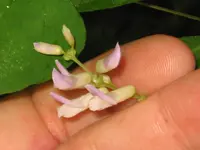
American hogpeanut
Amphicarpaea bracteata
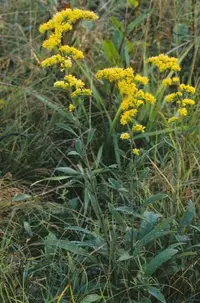
gray goldenrod
Solidago nemoralis
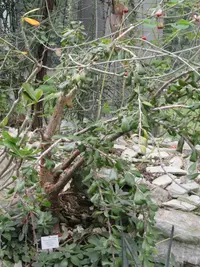
Transvaal sesame-bush
Sesamothamnus lugardii
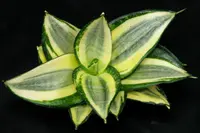
Bird's Nest Snake Plant
Dracaena trifasciata 'Golden Hahnii'
pygmyflower rockjasmine
Androsace septentrionalis