Polygala arenaria Care

About Polygala arenaria

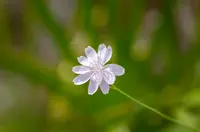
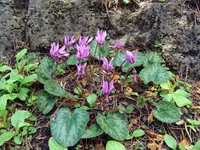
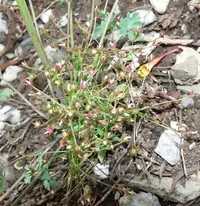
Polygala arenaria is a small perennial herb from the milkwort family, typically forming low, tufted clumps. It often shows narrow leaves and delicate, pea-like flowers in shades of white, pink, or purple.

This species is native to sandy, open habitats, where it grows in well-drained, often nutrient-poor soils. Its compact growth and modest size make it more suitable for rock gardens, specialized collections, or naturalistic plantings.

Because it is adapted to specific sandy and open conditions, it can be somewhat challenging outside its natural range. Understanding how to care for Polygala arenaria starts with providing bright light, good drainage, and moderate, steady moisture without prolonged waterlogging.

Main Plant Requirements

Care Difficulty

Moderate Care

Light Preference

Full Sun

Water Requirements

Moderate Water

Temperature Preference

Warm Climate

Hardiness Zone

Unknown

Soil Texture

Sandy, Loamy

Soil pH

Slightly acidic (6.5–7.0)

Soil Drainage

Well-drained

Fertilization

Minimal (feed rarely)

Get Personalized Care Plan

Scan your plant to receive care tips personalized for your specific plant

Available on iOS and Android

How to Care for the Polygala arenaria

This sun-loving species thrives in open, bright positions typical of dry, sandy habitats.

  • Provide 6–8 hours of direct sun daily, ideally with morning sun and some light afternoon shade in hotter regions to reduce leaf scorch risk.
  • Plant in an open, unshaded spot; it tolerates light partial shade (around 3–4 hours sun) but flowering and compact growth decline in deeper shade.
  • In summer, monitor for pale, scorched foliage as a sign of excessive intense sun; in winter, choose the brightest available site to maintain vigor.

This plant prefers slightly dry, fast-draining conditions and is sensitive to prolonged wet soil.

  • Water only when the top 3–5 cm of soil are completely dry; in sandy beds this may mean light, infrequent watering guided by touch rather than a fixed schedule.
  • Use sharply drained soil with added grit so excess water runs off quickly, as Polygala arenaria is prone to root problems in compacted or waterlogged ground.
  • In cooler or cloudy seasons reduce watering as drying slows; watch for yellowing, soft stems from overwatering or limp, crispy leaves from underwatering.

This species is adapted to warm, dry climates and dislikes prolonged cold or frost.

  • Aim for growing-season temperatures around 65–80°F (18–27°C), when root activity and flowering are strongest in well-drained, sandy soil.
  • Protect from frost, as damage often occurs below 30–32°F (-1–0°C); mulching the root zone helps buffer short, light cold snaps.
  • It tolerates dry heat up to about 90–95°F (32–35°C) if soil drainage is excellent; in extreme heat, reduce any overhead watering to avoid sudden root stress.

This species tolerates a wide range of humidity but grows best in moderately dry air.

  • Aim for 30–50% humidity, similar to typical indoor air in heated homes.
  • Dry air is usually tolerated, but prolonged levels below 30% can cause leaf tip browning and slower growth.
  • If air is very dry, increase humidity locally with a nearby pebble tray or grouping plants rather than misting foliage.

This species prefers light, sandy, sharply draining soil to prevent root problems.

  • Use a sandy or gritty mix, such as 50–60% coarse sand or fine gravel blended with low-peat compost or loam.
  • Ensure rapid drainage; excess water should pass through within seconds, not sit on the surface.
  • Keep pH slightly acidic to neutral (pH 6.0–7.2), avoiding strongly alkaline or saline substrates.
  • Improve aeration and structure by adding perlite or pumice and avoid dense clay or heavily compacted garden soil.

This plant can be grown in containers if the pot is prepared for very fast drainage.

  • Choose a wide, shallow pot that allows lateral root spread and prevents water from pooling in deep zones.
  • Use a gritty mix over a coarse drainage layer so water exits quickly without saturating the root zone.
  • Select unglazed terracotta if possible, since its porous walls help moisture evaporate and keep the mix drier.

This nutrient-efficient wild species usually needs only light feeding in poor or sandy soils.

  • Apply a low-dose balanced NPK fertilizer at 1/4–1/2 strength once in early spring if growth appears weak.
  • Use a thin layer of well-rotted compost around the root zone instead of frequent liquid feeds.
  • Avoid fertilizing during late fall and winter, when growth is slow or dormant.
  • For Polygala arenaria in containers, ensure free-draining soil to prevent salt buildup from any fertilizer.

Pruning is mainly used to maintain shape and remove weak growth on Polygala arenaria.

  • Carry out light pruning in late winter or very early spring before active growth resumes.
  • Remove dead, diseased, crossing, or inward-growing stems with clean, sharp hand pruners.
  • Shorten excessively long shoots to encourage a denser, more compact habit and better flowering.
  • Disinfect tools between plants to limit the spread of fungal and bacterial problems.

This species is more often grown in the ground, where transplanting matters more than container repotting.

  • Transplant in early spring or early fall, when temperatures are mild and soil moisture is stable.
  • Look for slowed growth, roots circling the pot, or frequent wilting as signs that a potted plant needs a larger container.
  • Move into a pot or bed with free-draining, sandy soil, keeping the root ball intact and planting at the same depth.
  • Water thoroughly after moving Polygala arenaria, then keep soil just moist to reduce transplant shock.

New plants are usually raised from seeds or softwood cuttings taken in the growing season.

  • Sow fresh seeds in late winter to early spring in a sandy, well-drained seed mix at 65–75°F.
  • Just cover seeds lightly and keep the surface evenly moist, not wet, to support germination.
  • Take softwood cuttings in late spring, use rooting hormone, and place in a bright, sheltered site.
  • Maintain high humidity around cuttings with a vented cover while ensuring good air movement to limit rot.

This plant tolerates mild winters but may need some protection in colder climates, especially in containers.

  • In regions with frost, add a 5–8 cm layer of dry mulch around the root zone before hard freezes.
  • Avoid waterlogged soil in winter, which increases root damage in cold conditions.
  • Move container-grown plants to a sheltered, frost-free location such as an unheated garage or cold frame.

Care Tips

Light soil mounding

Gently mound 2–3 cm of the same sandy soil mix around the plant’s base each spring to stabilize the crown and encourage new surface roots without burying the growing points.

Targeted deadheading

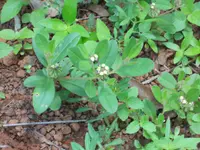
Remove spent flower spikes promptly by cutting just above a healthy leaf node to extend the blooming period and reduce energy loss to seed production.

Low, steady support

In windy or exposed sites, place low, discreet wire hoops or short bamboo canes around young plants to keep stems upright without constricting or shading them.

Winter drainage check

Before the wettest part of winter, test the planting area by filling a small hole with water; if it drains within 15–20 minutes the site is suitable, otherwise improve drainage or plant on a raised mound to prevent root rot when growing Polygala arenaria.

Gentle weed control

Hand-weed around the plant and use a thin, mineral mulch such as coarse grit instead of organic mulches to suppress weeds while keeping the root zone airy and free-draining.

Common Pests and Diseases

Leaf spot

This disease causes small brown to dark purple spots on leaves, sometimes with a yellow halo and early leaf drop in humid conditions.

Solution

Remove and discard affected leaves, avoid overhead watering, and improve air circulation around plants; if spotting continues in wet weather, apply a copper-based or chlorothalonil fungicide labeled for ornamental perennials, following all label directions.

Powdery mildew

This disease produces white, powdery patches on upper leaf surfaces and young stems, leading to reduced vigor and distorted new growth in dense plantings.

Solution

Increase spacing and airflow, water at soil level rather than on foliage, and remove heavily infected shoots; in persistent cases, use a sulfur or potassium bicarbonate fungicide suitable for ornamentals applied at the first sign of disease.

Aphids

These insects gather on young stems and flower buds, sucking plant sap and causing curling leaves, sticky honeydew, and sometimes sooty mold on foliage.

Solution

Spray colonies off with a strong stream of water, then treat remaining insects with insecticidal soap or a light horticultural oil, repeating every 5–7 days until new growth appears clean; encourage natural predators such as lady beetles by avoiding broad-spectrum insecticides nearby.

Spider mites

These pests thrive in hot, dry conditions and cause fine stippling on leaves, a dull gray-green appearance, and very fine webbing along stems and leaf undersides.

Solution

Rinse foliage thoroughly with water, focusing on undersides of leaves, and increase ambient humidity around the plants; if populations remain high, use a horticultural oil or miticide labeled for mites and alternate products if multiple treatments are needed.

Interesting Facts

Specialized sand habitat

This species is naturally restricted to loose, sandy soils in open habitats, where its fine root system and low stature help it tolerate unstable, nutrient-poor substrates.

Winged flower petals

Like other milkworts, it has showy, wing-like lateral petals and a crest on the central petal, which together form a specialized landing platform that guides pollinating insects toward the nectar.

Nitrogen-fixing partners

Polygala arenaria forms associations with soil bacteria that can improve nitrogen availability, an important advantage in the poor, sandy soils where it typically grows.

FAQs about Polygala arenaria

The flowers are rich in nectar and tend to attract small bees and other native pollinators. In suitable climates, it can support local pollinator activity, especially when planted in sunny, open, low-competition areas.

Grow Healthy Plants with Botan Care

Keep your plants happy and healthy with plant identification, disease detection, and easy care guidance.

Botan plant care app — identify plants on mobile

Explore More Plants