Protect taproot
Avoid transplanting established plants, because the deep, brittle taproot is easily damaged; instead, sow seeds or set young plugs directly where they will mature.

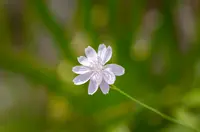
Rose rush (Lygodesmia aphylla) is a small perennial wildflower native to dry, open habitats in the southeastern United States. It belongs to the aster family but has a more delicate, airy look than many relatives.
Plants form slender, almost leafless stems topped with pale pink to lavender, ray-like flowers that open mainly in good light. The overall habit is sparse and upright, giving a fine-textured appearance in rock gardens or naturalistic plantings.
This species is adapted to sandy, well-drained soils, strong sun, and low to moderate moisture. Its drought tolerance makes it attractive, but these specific conditions mean gardeners should understand how to care for rose rush before planting.

Care Difficulty
Moderate Care

Light Preference
Full Sun

Water Requirements
Low Water

Temperature Preference
Warm Climate

Hardiness Zone
8–11

Soil Texture
Sandy, Loamy, Rocky

Soil pH
Slightly acidic (6.5–7.0), Neutral (7.0)

Soil Drainage
Well-drained

Fertilization
Minimal (feed rarely)
Scan your plant to receive care tips personalized for your specific plant
Available on iOS and Android
This sun-loving perennial from dry, open habitats needs strong light to bloom well.
This drought-adapted species prefers infrequent, deep watering and fast-drying soil.
This species is adapted to warm, open sites with mild winters and hot summers.
Humidity is not a significant factor for Lygodesmia aphylla, which is adapted to dry, open habitats and typical indoor air.
Lygodesmia aphylla prefers dry, sandy, sharply drained mineral soils that prevent water from lingering around the roots.
This species can be grown in containers if the pot and medium prevent any lingering moisture around the roots.
This native wildflower, often called rose rush, needs minimal fertilization and performs best in lean, well-drained soils.
Pruning needs for Lygodesmia aphylla are light and mainly focused on post-bloom clean-up.
This species is usually grown in the ground and dislikes frequent disturbance, so transplant only when clearly necessary.
Lygodesmia aphylla is most reliably propagated from seed, with some patience required for establishment.
In its typical warm, frost-free or light-frost range, this perennial needs little specific winter care.

Plant Health Check
Not sure what's wrong with your plant? Check your plant's health inside the app.
This species is native to Florida and is strongly associated with dry, open scrub and sandhill habitats on very well-drained, nutrient-poor sandy soils.
The plant is nearly leafless, and its green, wiry stems perform most of the photosynthesis, an adaptation that helps reduce water loss in hot, exposed sites.
It produces pale pink to lavender, ray-like flower heads that open in bright daylight and close later in the day, attracting daytime pollinators such as small bees and flies.

The thin, dandelion-like seeds of this species are topped with a pappus, a tuft of fine hairs, which allows them to travel long distances on wind currents and colonize scattered patches of suitable sandy habitat.
Lack of blooms usually comes from too little light, nutrient-poor or very dry soil, or plants that are still immature. Ensure full sun, avoid heavy summer fertilizing, and be patient; some seedlings need several seasons before flowering well.
Keep your plants happy and healthy with plant identification, disease detection, and easy care guidance.