Manage Spreading Rhizomes
Install a root barrier 20–30 cm deep around beds or use large bottomless containers sunk into the ground to keep rhizomes from invading nearby plantings while still allowing strong growth.

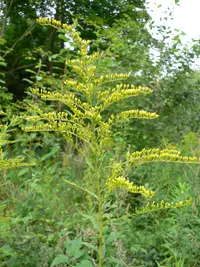
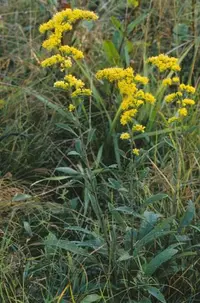
Canada goldenrod (Solidago canadensis) is a hardy, herbaceous perennial known for its tall stems topped with dense clusters of small yellow flowers. It forms clumping or spreading colonies through rhizomes, often creating bold swathes of late-summer color.
This species is native to much of North America and commonly grows in meadows, roadsides, and open woodland edges. It tolerates a wide range of soils and recovers well from cutting or grazing, which makes it vigorous and sometimes aggressive.
Because it adapts easily to sun, wind, and variable moisture, Canada goldenrod is generally easy to establish and maintain in suitable climates. Gardeners who want to care for Canada goldenrod should allow space for its spread and monitor its growth in small gardens.

Care Difficulty
Easy Care

Light Preference
Full Sun

Water Requirements
Moderate Water

Temperature Preference
Cold Hardy

Hardiness Zone
3–9

Soil Texture
Sandy, Loamy, Clay

Soil pH
Acidic (5.5–6.5), Slightly acidic (6.5–7.0)

Soil Drainage
Well-drained

Fertilization
Minimal (feed rarely)
Scan your plant to receive care tips personalized for your specific plant
Available on iOS and Android
This species thrives as a sun-loving, hardy perennial in open outdoor sites.
This prairie species is drought-tolerant once established and prefers soils that dry slightly between rains.
This hardy perennial tolerates a wide range of outdoor temperatures across temperate climates.
This species is highly tolerant of low humidity and usually needs no special moisture control outdoors.
This species adapts to many soils but grows strongest in loose, moderately fertile, well-drained ground.
This species can be grown in containers, but the root system and tall tops need careful management for stability.
This tough native wildflower usually needs little feeding in average garden soil.
Pruning helps manage the height, spread, and seeding of Solidago canadensis in garden settings.
This species is usually grown in the ground, so focus on dividing and transplanting clumps rather than repotting.
Solidago canadensis is commonly propagated by division, with seeds used when larger numbers of plants are needed.
This hardy perennial tolerates freezing winters in most temperate climates and usually needs minimal winter care.

Plant Health Check
Not sure what's wrong with your plant? Check your plant's health inside the app.
This species flowers from late summer into fall and produces many small, nectar-rich flower heads that support diverse native pollinators, including bees, hoverflies, and beneficial wasps when few other wildflowers are still blooming.
Canada goldenrod forms dense colonies using underground rhizomes, which allows it to quickly occupy disturbed ground and outcompete many other herbaceous plants in open, sunny habitats.
Its bright yellow flower clusters are often blamed for hay fever, but the pollen is heavy and insect‑pollinated; in most cases, seasonal allergies in late summer are caused instead by wind‑dispersed ragweed pollen that blooms at the same time.

In parts of Europe and East Asia where it has been introduced, Canada goldenrod is considered an invasive species and can significantly alter local plant communities by forming tall, dense stands that reduce native species diversity.
This species spreads quickly by both seed and underground rhizomes. In garden settings it can become dominant if unmanaged. Contain it with root barriers, regular division, and prompt deadheading to reduce self-seeding and maintain plant diversity.
Keep your plants happy and healthy with plant identification, disease detection, and easy care guidance.