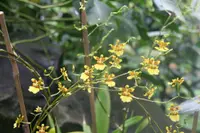
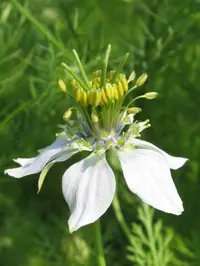
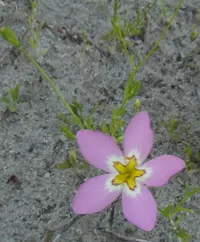
spiny spiderflower Care (Cleome spinosa)

spiny spiderflower

About spiny spiderflower

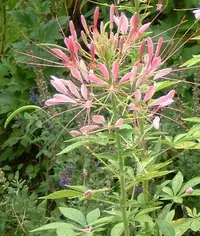
Spiny spiderflower, Cleome spinosa, is a fast-growing annual or short-lived perennial noted for its tall, open form and airy, spider-like flower clusters. Plants often reach a bushy, upright shape with narrow leaflets and conspicuous seed pods that add to their textured look. Native to South America, it is now grown as an ornamental in warm and temperate regions for its long blooming season and strong visual impact in borders. It tolerates heat, lean soils, and brief dryness, but can struggle in cold, waterlogged, or heavily shaded sites. Once established, it is generally uncomplicated if you understand how to care for spiny spiderflower in sunny, well-drained conditions.

Main Plant Requirements

Care Difficulty

Easy Care

Light Preference

Full Sun

Water Requirements

Moderate Water

Temperature Preference

Tropical / Frost Sensitive

Hardiness Zone

10–11

Soil Texture

Sandy, Loamy, Organic-rich

Soil pH

Acidic (5.5–6.5), Slightly acidic (6.5–7.0)

Soil Drainage

Well-drained

Fertilization

Light (every 4–6 weeks)

Get Personalized Care Plan

Scan your plant to receive care tips personalized for your specific plant

Available on iOS and Android

How to Care for the spiny spiderflower

Cleome spinosa performs best in strong, direct light typical of open summer beds.

  • Provide full sun for 6–8 hours daily; morning and midday sun promote dense growth and abundant flowering in spiny spiderflower.
  • Accepts light afternoon shade in very hot regions, but more than 3–4 hours of shade can cause tall, weak stems and fewer blooms.
  • Avoid deep shade and sun blocked by nearby trees or buildings, which leads to leggy plants; in cloudy seasons, choose the brightest, most open site available.

Cleome spinosa prefers evenly moist but not saturated soil once established in the ground.

  • Water thoroughly when the top 3–5 cm of soil feels dry, letting water soak to root depth, then allow the surface to dry again before the next watering.
  • Use free-draining soil; standing water, a sour smell, or yellowing, limp lower leaves indicate overwatering or poor drainage problems.
  • In hot midsummer, monitor more often for wilting or dry, crumbly soil as a cue to water, but reduce frequency in cooler or rainy periods to prevent root stress.

This warm-season annual thrives in sustained heat and stops performing in cold conditions.

  • Optimal growth occurs around 70–85°F (21–29°C), when plants produce vigorous stems and continuous flower spikes.
  • Growth slows noticeably below 60°F (16°C) and plants are damaged or killed by frost near 32°F (0°C), so outdoor planting should wait until all frost risk has passed.
  • Tolerates brief heat up to about 95°F (35°C) if soil moisture is maintained, but prolonged extreme heat with dry soil can cause leaf scorch and reduced flowering.

Humidity is rarely critical for Cleome spinosa, which adapts well to typical outdoor air.

Cleome spinosa prefers light, well-drained soil that does not stay wet after rain or watering.

  • Use a loose loam or sandy loam enriched with modest organic matter such as compost.
  • Aim for slightly acidic to neutral pH around 6.0–7.0 for balanced nutrient availability.
  • Improve drainage and root aeration by incorporating coarse sand or perlite at 20–30% of the mix.
  • Avoid heavy clay, compacted beds, or locations where water pools or crusts after irrigation.

This species can grow successfully in containers when the pot is chosen to support its tall, airy growth.

  • Select a deep, heavy container to anchor the tall, top-heavy stems against wind and tipping.
  • Use a fast-draining potting mix and ensure excess water can exit freely to prevent root suffocation.
  • Leave several centimeters between the rim and soil surface to keep water and fertilizer from spilling over in gusty conditions.

Cleome spinosa responds well to modest feeding during its warm-season growth.

  • Use a balanced, water-soluble fertilizer (around 10-10-10 or 20-20-20) diluted to 1/2 strength.
  • Apply every 3–4 weeks in late spring through summer while plants are actively flowering.
  • Incorporate light compost into the soil before planting spiny spiderflower for a slow nutrient supply.
  • Stop feeding in fall and winter, as plants decline or die back and do not use extra nutrients.

Pruning supports bushier growth and longer flowering in Cleome spinosa.

  • In late spring to early summer, pinch or lightly trim young tips to encourage branching.
  • Remove spent flower spikes to extend bloom and prevent excessive self-seeding if desired.
  • Cut back dead, damaged, or crowded stems with clean, sharp shears to maintain airflow.
  • At season’s end, shear or pull out declining plants to tidy beds and reduce disease carryover.

This species is usually grown as an annual in beds, so focus on careful transplanting rather than frequent repotting.

  • Transplant outdoors in late spring after frost, when seedlings have several true leaves.
  • Choose well-drained soil and handle roots gently, as circling roots or rough handling increase stress.
  • Water thoroughly after transplanting and shade for 2–3 days to reduce shock.
  • Container-grown plants rarely need larger pots, but slow growth and roots emerging from holes indicate upsizing.

Cleome spinosa is most commonly propagated from seed rather than from cuttings or division.

  • Sow seeds indoors 6–8 weeks before last frost or directly outdoors after frost danger passes.
  • Provide 65–75°F, bright light, and evenly moist, well-drained seed mix for reliable germination.
  • Lightly cover seeds; they germinate in 1–3 weeks depending on temperature.
  • Allow some seedpods to mature and dry on plants if self-sown seedlings are desired the following year.

Cleome spinosa is a frost-tender annual in most climates and does not need complex winter care.

  • Once hard frost blackens foliage, remove plants and compost healthy material to reduce pests.
  • Mulching the bed mainly helps soil health, not plant survival, since roots usually die in winter.
  • In mild, frost-free areas, occasional light chill is tolerated, but freezing temperatures end the plant’s life cycle.

Care Tips

Staggered Succession Sowing

Sow new batches every 3–4 weeks from late spring to midsummer so older plants can be removed when they grow woody, keeping the display full and flowering over a longer season.

Pinch for Bushier Plants

When seedlings reach 10–15 cm, pinch out the top growth once to encourage branching and create sturdier plants with more flowering stems and better wind resistance.

Wind-Smart Support

In breezy sites, install low, unobtrusive ring supports or a loose grid of soft twine around young plants before they reach 30–40 cm to prevent stem breakage while still allowing natural movement.

Plan for Self-Seeding

If natural reseeding is desired, leave some seedpods to mature and dry on the plant, then gently shake them over bare soil in late summer and lightly rake the area to improve soil contact.

Targeted Pest Monitoring

Check the undersides of leaves and tender new growth weekly for aphids or spider mites, and if found, wash them off with a firm water spray in the morning before populations build up, which simplifies caring for spiny spiderflower in larger plantings.

Common Pests and Diseases

Spider mites

This pest causes fine stippling on leaves, pale or bronzed foliage, and delicate webbing, especially in hot, dry weather.

Solution

Spray plants thoroughly with a strong stream of water to knock mites off, then maintain higher humidity around the plants and improve airflow; if needed, use insecticidal soap or a neem oil spray on both leaf surfaces every 5–7 days until new growth appears clean.

Aphids

These insects cluster on young shoots and flower stalks, sucking sap and causing distorted growth and sticky honeydew that can attract sooty mold.

Solution

Rinse colonies off with water, pinch back heavily infested shoot tips, and if populations persist, apply insecticidal soap or a light horticultural oil, repeating weekly until aphids and honeydew are no longer visible.

Flea beetles

These insects chew numerous small round holes in leaves, giving foliage a shot‑holed appearance and sometimes slowing young plant growth.

Solution

Use floating row covers over young plants until they are established, remove nearby weeds that harbor beetles, and, if damage continues, apply a spinosad-based product to foliage according to label directions during calm, dry weather.

Leaf spot

This disease creates small brown to purplish spots on leaves that can merge, causing yellowing and early leaf drop in warm, humid conditions.

Solution

Remove and discard affected leaves, avoid overhead watering, space plants to improve air circulation, and, in severe or recurring cases, apply a copper- or chlorothalonil-based fungicide at the first signs of spotting, following label guidelines for ornamental annuals.

Powdery mildew

This disease shows as white, powdery patches on leaves and stems, which can lead to yellowing and reduced vigor later in the season.

Solution

Improve spacing and airflow, water at the soil level, remove heavily infected foliage, and if needed treat with a labeled fungicide or neem oil at the first appearance of white patches to protect new growth and support Cleome spinosa care.

Interesting Facts

Evening nectar specialist

Spiny spiderflower flowers produce abundant nectar and are particularly attractive to crepuscular and nocturnal visitors such as moths, which are key pollinators in many parts of its range.

Heat and drought adapted

This species is native to tropical and subtropical South America and shows strong tolerance to high temperatures and short dry spells, which makes it a reliable ornamental in hot summer climates.

Characteristic skunky scent

When leaves or stems are bruised, the plant releases a strong, pungent odor that likely helps deter some herbivores and is a quick way to distinguish it from many other annual ornamentals.

Botan icon

Did you know?

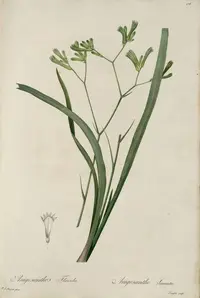
Spiny spiderflower was already being cultivated as an ornamental in European gardens by the early 19th century, after being introduced from South America, and its distinctive long stamens helped make it a recognizable subject in historical botanical illustrations.

FAQs about spiny spiderflower

Lack of blooms is usually linked to insufficient light, overly rich nitrogen fertilizer, or heat stress. Focus on balanced nutrition, avoid heavy feeding, and deadhead faded flowers to encourage continued flowering when caring for spiny spiderflower.

Grow Healthy Plants with Botan Care

Keep your plants happy and healthy with plant identification, disease detection, and easy care guidance.

Botan plant care app — identify plants on mobile

Explore More Plants