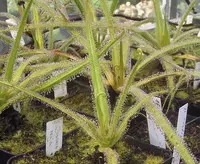
turkey corn Care (Dicentra eximia)

Also known as: Fringed Bleeding Heart, Wild Bleeding Heart, yellow bloodwood
turkey corn

About turkey corn

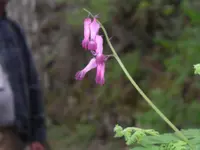
Turkey corn (Dicentra eximia) is a hardy perennial commonly grown for its delicate, fern-like foliage and clusters of soft pink, heart-shaped flowers. It forms compact clumps and often blooms over a long season in cool to mild conditions.

This species is native to rocky woodlands and slopes in the Appalachian region of the eastern United States. It prefers partial shade, consistent moisture, and well-drained, humus-rich soil.

Flowering reliability, cold tolerance, and a tendency to go semi-dormant in heat are the main traits that influence how easy it is to grow. Understanding how to care for turkey corn helps keep it attractive for many seasons.

Main Plant Requirements

Care Difficulty

Moderate Care

Light Preference

Partial Shade

Water Requirements

Regular Water

Temperature Preference

Cold Hardy

Hardiness Zone

3–9

Soil Texture

Loamy, Silty, Organic-rich

Soil pH

Acidic (5.5–6.5), Slightly acidic (6.5–7.0)

Soil Drainage

Moist but well-drained

Fertilization

Minimal (feed rarely)

Get Personalized Care Plan

Scan your plant to receive care tips personalized for your specific plant

Available on iOS and Android

How to Care for the turkey corn

This woodland perennial prefers cool, filtered light rather than intense direct sun.

  • Provide dappled shade or morning sun with afternoon shade, aiming for 2–4 hours of gentle direct light per day.
  • Site Dicentra eximia in partial shade; strong midday or late-afternoon sun can scorch foliage and shorten flowering.
  • In hotter summers, increase shade or use filtered light under shrubs or trees, while in cooler climates it tolerates more morning sun; this supports healthy, long-lived turkey corn clumps.

This species prefers evenly moist, humus-rich soil that never stays soggy.

  • Water when the top 2–4 cm of soil feels dry, allowing moisture deeper down to stay slightly damp, especially in active growth.
  • Use well-drained soil rich in organic matter; persistent puddling, yellowing leaves, or limp stems suggest overwatering and possible root stress.
  • In cooler spring and fall, reduce frequency slightly, and in hot, dry spells monitor more often for drooping foliage or very dry soil, then water thoroughly.

This hardy perennial is adapted to cool to mild outdoor conditions with a marked winter rest.

  • Optimal growth occurs around 55–70°F (13–21°C), with best flowering in cool spring weather.
  • Dicentra eximia survives winter cold down to about -20°F (-29°C) in the ground, dying back to roots and resprouting in spring.
  • Heat above 80–85°F (27–29°C), especially with full sun and dry soil, can cause foliage to decline early, so provide shade and consistent moisture in hot periods.

Dicentra eximia prefers steady outdoor humidity but copes with a fairly wide range in garden conditions.

  • Aim for 40–60% humidity; plants in very dry, exposed spots may show browning leaf edges and faster wilting.
  • Turkey corn tolerates short dry spells, but prolonged dry air with heat stress increases foliage scorch and early dormancy.
  • Increase humidity outdoors by mulching 5–8 cm deep and grouping plants so surrounding foliage slightly buffers dry winds.

Dicentra eximia grows best in consistently moist, well-aerated, organic-rich soil.

  • Use a loose loam with high organic content, combining roughly 2 parts garden loam, 1 part compost, and 1 part leaf mold or fine bark.
  • Ensure strong drainage; raised beds or gently sloping sites help prevent waterlogging, which promotes root and crown rot.
  • Aim for slightly acidic to neutral pH (6.0–7.0); mix in composted leaves or pine-needle mulch to nudge alkaline soils downward.
  • Avoid compacted clay, heavy manured beds, or areas that stay soggy after rain; incorporate coarse sand or fine grit to improve aeration.

This species can be grown in containers if the pot mimics a cool, moist, woodland-like root environment.

  • Choose a container at least 25–30 cm deep so the fibrous roots can spread downward without crowding near the surface.
  • Select thick-walled ceramic or clay pots to moderate temperature swings and reduce rapid drying compared with thin plastic.
  • Place the pot where it is shaded at soil level, such as behind a low border plant, to keep the root zone cooler and more stable.

Dicentra eximia grows well in humus-rich soil and usually needs only light feeding to maintain steady flowering.

  • Apply a thin layer of garden compost or leaf mold around the clumps in early spring for slow, balanced nutrition.
  • Where soil is poor, use a balanced NPK granular or slow-release fertilizer at half strength once in spring.
  • Avoid summer overfeeding; excess nitrogen encourages foliage at the expense of blooms and can stress roots in heat.
  • Do not feed dormant crowns in late fall or winter, as turkey corn rests and cannot use added nutrients.

Pruning Dicentra eximia is mainly about tidiness and supporting repeat flowering rather than reshaping the plant.

  • In late spring and summer, shear off spent flower stems near the base to encourage new blooms and compact growth.
  • Remove yellowing or damaged leaves at soil level with clean, sharp pruners to limit disease and improve air flow.
  • After the main bloom flush, lightly trim straggly stems to maintain a rounded mound without cutting into healthy crowns.
  • In late fall, cut back fully collapsed foliage to just above the soil, leaving any firm crowns undisturbed.

This species is usually grown in-ground, so focus on careful transplanting rather than frequent repotting.

  • Transplant clumps in early spring or early fall when temperatures are mild and soil is evenly moist.
  • Move plants only every several years, when flowering declines, growth becomes crowded, or roots circle a container.
  • Lift the clump with a wide root ball, disturb the roots as little as possible, and replant at the same soil depth.
  • Water thoroughly after planting, shade for a few days, and keep soil moist but not waterlogged to reduce transplant shock.

Propagation of Dicentra eximia is most reliable by division, with seed used mainly for larger-scale or experimental growing.

  • Divide mature clumps in early spring or early fall, lifting the root mass and separating sections with at least 2–3 buds.
  • Replant divisions immediately into moist, well-drained soil, keeping crowns at the original level to prevent rot.
  • Sow fresh seed in pots or trays outdoors in late summer or fall, allowing natural winter chilling to break dormancy.
  • Maintain light shade, consistent moisture, and gentle air movement around young plants to support steady establishment.

This woodland perennial is cold hardy in most temperate gardens and usually needs minimal winter attention.

  • After hard frost, allow foliage to naturally collapse, then cut it back to just above soil level once fully dry.
  • Apply a 5–8 cm layer of leaf mold or compost mulch over the root zone in late fall to moderate freeze–thaw cycles.
  • Container-grown plants benefit from moving pots to a sheltered, unheated area where roots stay cold but not repeatedly frozen solid.

Care Tips

Summer dormancy management

If foliage starts to yellow and die back in midsummer heat, allow it to go dormant naturally, then mark the clump with a discreet stake so you do not disturb the crown when working the bed later.

Companion planting shade

Plant near light, open shrubs or taller perennials that leaf out early to provide dappled shade and cooler soil, which helps extend the flowering season and foliage quality.

Mulch gap around crown

Apply organic mulch for moisture and weed control but keep a 3–5 cm mulch-free ring around the crown to reduce crown rot and improve air movement at the base.

Gentle clump division

Divide mature clumps in early spring just as new shoots emerge, using a sharp knife to separate firm, healthy roots into 2–3 bud sections and replanting immediately at the same depth.

Slug and snail barriers

In damp, shady beds where slugs and snails damage new shoots, place low-profile copper tape or rough mineral grit in a ring around the clump rather than using broad-spectrum pellets, which helps protect beneficial wildlife while caring for turkey corn.

Common Pests and Diseases

Leaf spot

This disease causes round to irregular tan, purple, or brown spots on leaves, often with a darker margin and possible yellowing around the lesions. Symptoms include premature leaf drop in warm, wet weather.

Solution

Remove and discard heavily spotted leaves, keep foliage as dry as possible by watering at soil level, and improve air circulation around clumps. In repeatedly affected beds, thin crowded plants and apply a preventative copper or chlorothalonil fungicide early in the season following label directions.

Powdery mildew

This disease appears as white to gray, powdery patches on leaf surfaces, often starting on older foliage and spreading in periods of humid, shaded conditions. Symptoms include distorted or yellowing leaves and overall decline in vigor.

Solution

Increase air flow by spacing and dividing plants, avoid overhead watering, and promptly remove heavily infected leaves. In gardens with frequent issues, apply a sulfur or potassium bicarbonate fungicide at the first sign of mildew, and choose slightly sunnier, more open sites for future plantings when planning Dicentra eximia care.

Aphids

These insects cluster on young shoots and the undersides of leaves, sucking sap and excreting sticky honeydew that can lead to sooty mold. Symptoms include distorted new growth, curling leaves, and reduced flowering.

Solution

Spray colonies off with a strong stream of water and pinch off severely infested shoot tips. For persistent infestations, use insecticidal soap or a horticultural oil on the undersides of leaves, repeating as needed while protecting beneficial insects by treating in early morning or late evening.

Slugs and snails

These pests chew irregular holes and notches in leaves, often starting at the edges, and can skeletonize young foliage in cool, damp conditions. Symptoms include slime trails on soil or foliage and damage appearing overnight.

Solution

Hand-pick slugs and snails in the evening, remove nearby debris that provides hiding places, and use iron phosphate bait around but not on the crowns of the plants. Copper tape barriers or rough mulch such as crushed eggshells or grit can also reduce movement into planting areas.

Crown rot

This disease affects the base of the plant, causing soft, brown, or blackened crown tissue and sudden collapse of shoots, especially in heavy, wet soils. Symptoms include stunted growth, yellowing foliage, and plants that pull up easily due to decayed tissues at soil level.

Solution

Dig up and discard affected plants, including as much of the rotted crown as possible, and avoid replanting in the same poorly drained spot. Improve drainage by amending soil with coarse organic matter or gravel, plant at the correct depth so the crown sits slightly above soil level, and avoid overwatering, especially in clay soils.

Interesting Facts

Appalachian rock specialist

This species is naturally restricted to rocky slopes and ledges of the Appalachian Mountains in the eastern United States, where it grows in crevices and thin, well-drained forest soils.

Semi-evergreen foliage

Unlike the common garden bleeding hearts that die back fully in summer, its finely divided gray-green leaves often persist through much of the growing season and can even overwinter in mild climates.

Repeat spring–fall blooming

It can flower over an unusually long season for a bleeding heart, often producing clusters of pink, heart-shaped flowers from late spring well into fall when conditions stay cool and moist.

Botan icon

Did you know?

Dicentra eximia is considered a strict woodland-edge species in the wild and often co-occurs with specialized Appalachian flora, making it a useful indicator of relatively undisturbed, cool, humus-rich forest habitats.

FAQs about turkey corn

This species often blooms repeatedly from late spring into early fall if conditions stay cool and moist. Removing spent flower stems promotes new blooms. Light, regular feeding and consistent soil moisture also help extend the flowering period.

Grow Healthy Plants with Botan Care

Keep your plants happy and healthy with plant identification, disease detection, and easy care guidance.

Botan plant care app — identify plants on mobile

Explore More Plants