tall kangaroo paw Care (Anigozanthos flavidus)

Also known as: yellow kangaroo paw
tall kangaroo paw

About tall kangaroo paw

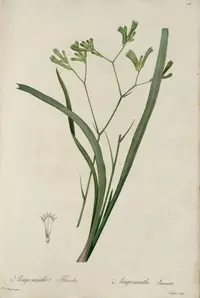
Tall kangaroo paw (Anigozanthos flavidus) is a perennial flowering plant from southwestern Australia, valued for its upright clumps of strappy leaves and tall, arching flower spikes. The fuzzy, tubular blooms resemble an outstretched paw and appear in shades of green, yellow, or reddish tones, often attracting hummingbirds and other pollinators.

It is adapted to dry, open habitats and naturally tolerates heat, wind, and short dry periods better than many ornamentals. Gardeners generally find it moderately easy if provided with strong light, well-drained soil, and protection from prolonged cold and waterlogging. Understanding these natural preferences helps guide how to care for tall kangaroo paw in home gardens and landscapes.

Main Plant Requirements

Care Difficulty

Moderate Care

Light Preference

Full Sun

Water Requirements

Low Water

Temperature Preference

Warm Climate

Hardiness Zone

9–11

Soil Texture

Sandy, Loamy, Rocky

Soil pH

Acidic (5.5–6.5), Slightly acidic (6.5–7.0)

Soil Drainage

Well-drained

Fertilization

Minimal (feed rarely)

Get Personalized Care Plan

Scan your plant to receive care tips personalized for your specific plant

Available on iOS and Android

How to Care for the tall kangaroo paw

Anigozanthos flavidus thrives in bright, direct sun suited to open, exposed sites.

  • Provide 6–8 hours of full sun daily; morning and midday sun promote strong flowering, while light afternoon shade helps in very hot climates.
  • The tall kangaroo paw tolerates light partial shade, but flowering and stem strength decline if it receives less than about 4–5 hours of direct sun.
  • In summer, monitor for leaf scorch from intense late-afternoon sun; in winter, choose the sunniest, least-shaded position available.

Watering for Anigozanthos flavidus focuses on fast drainage and brief dry periods between soakings.

  • Allow the top 3–5 cm of soil to dry before watering again; use deep, infrequent watering rather than light daily splashes.
  • During active growth and flowering, water when leaves lose slight firmness; reduce frequency in cool seasons to prevent root rot.
  • Watch for yellowing, soft leaf bases as a sign of overwatering, and crisp leaf tips or drooping stalks as signs of underwatering, then adjust.

This species prefers mild, Mediterranean-type temperatures with low humidity and good air movement.

  • Aim for 65–80°F (18–27°C) for active growth, as this range supports root activity and flower stem production.
  • Plants tolerate brief dips to about 28–30°F (-2 to -1°C), but repeated frosts damage foliage, so protect crowns in colder regions.
  • In hot summers, plants cope with 90–100°F (32–38°C) if soil is well drained and roots are mulched, but avoid reflected heat from walls or paving.

Humidity is a minor factor for Anigozanthos flavidus, which prefers dry air and strong light.

  • Aim for 30–50% humidity, similar to a typical heated or air-conditioned home.
  • Tall kangaroo paw tolerates drier air better than prolonged damp, stagnant conditions around foliage.
  • If tips blacken or stems rot at the base, reduce ambient humidity and increase air movement rather than trying to raise humidity.

This species needs sharply draining, sandy soil that dries quickly after watering.

  • Use a mix of 50–70% coarse sand or fine gravel with the rest a lean, gritty potting mix to prevent waterlogging.
  • Ensure a loose, open structure that allows water to pass through within seconds while still holding roots firmly.
  • Aim for slightly acidic to neutral pH, around 6.0–7.0, avoiding limy or highly alkaline sites.
  • Improve drainage and aeration for Anigozanthos flavidus by adding coarse perlite or small gravel and avoiding heavy clay or peat-heavy mixes.

This species can grow well in containers when drainage and root space are carefully managed.

  • Choose a deep, narrow pot to accommodate its fibrous root system while reducing the volume of constantly wet mix.
  • Select a heavy or weighted container to stabilize tall flowering stems against wind.
  • Use a potting volume that dries within a few days in your climate so excess moisture does not linger around the root zone.

Anigozanthos flavidus benefits from light, thoughtful feeding rather than heavy fertilization.

  • Use a low-phosphorus, balanced NPK or native-plant slow-release fertilizer at half strength at the start of spring.
  • Top-dress with a thin layer of well-aged compost once per year to support soil structure and microbes.
  • Feed every 8–10 weeks during active growth, avoiding mid-summer heatwaves and very dry soil.
  • In winter or semi-dormant periods, stop feeding tall kangaroo paw and focus on stable light watering only.

Thoughtful pruning keeps Anigozanthos flavidus flowering well and reduces disease risk.

  • In late winter to early spring, remove dead or frost-damaged leaves at the base with clean, sharp secateurs.
  • Cut spent flower stalks down to the clump once blooming finishes to encourage new shoots and future flowering.
  • Thin congested or crossing leaves to improve air movement and maintain a tidy, upright clump form.
  • Disinfect blades between plants to limit the spread of fungal spores and bacterial infections.

Container-grown plants prefer minimal disturbance, so repot or transplant only when clearly root-bound or declining.

  • Check for roots circling the pot base, water running straight through, or slowed growth as signs it needs more space.
  • Plan repotting or garden transplanting for late winter to early spring, before strong new growth begins.
  • Repot only every 2–3 years into a slightly larger pot with very free-draining, sandy mix.
  • Loosen circling roots gently, keep the crown at the same depth, water lightly, then shelter from intense sun for 7–10 days.

Anigozanthos flavidus is most commonly propagated by clump division, with seed used for breeding or larger projects.

  • Divide mature clumps in late winter, ensuring each division carries several healthy fans and a portion of rhizome.
  • Replant divisions into very well-drained, sandy mix and keep just moist in bright light until strong new growth appears.
  • For seeds, use fresh, pre-cleaned seed, sow in a sterile, free-draining mix, and maintain 60–70°F with good light.
  • Provide gentle bottom warmth and avoid overwatering to limit damping-off, a common seedling fungal issue.

This species is relatively cold tolerant but benefits from simple winter precautions in cooler regions.

  • Tolerates light frosts but may suffer foliage damage below about 25°F, especially in exposed, windy sites.
  • Apply a 5–7 cm layer of coarse mulch around the root zone, keeping it away from the crown to avoid rot.
  • In areas with hard freezes, move container plants under cover or into a bright, cool indoor space.
  • Reduce watering in winter so the mix dries slightly between waterings, especially in low light conditions.

Care Tips

Improve Air Circulation

Space clumps 45–60 cm apart and avoid crowding with dense groundcovers to reduce fungal spotting on leaves and flowers when growing tall kangaroo paw in humid or coastal areas.

Use Gravel Collar

Top-dress the root zone with a 2–4 cm layer of coarse gravel rather than organic mulch to keep the crown dry, reduce collar rot risk, and limit weed growth without trapping excess moisture.

Renew Flower Clumps

Every 3–4 years, dig and split large clumps in late winter, replanting only the healthiest outer fans to maintain strong flowering and prevent the center from becoming woody and unproductive.

Wind-Proof Flower Stalks

In windy sites, insert discreet bamboo stakes on the windward side of tall flowering stems and secure them loosely with soft ties to prevent snapping and to keep flower spikes upright for longer.

Clean Up After Bloom

After the main flowering flush, cut spent stalks and remove old, damaged leaves at the base with clean, sharp tools to reduce pest harboring sites and stimulate fresh, vigorous growth.

Common Pests and Diseases

Ink spot

This disease causes black, inky spots and streaks on leaves and flower stalks, which may expand into larger blotches and lead to dieback. Symptoms include rapid deterioration of foliage, especially in humid or wet conditions.

Solution

Remove and discard all affected leaves and flower stems, cutting back well into healthy tissue, and keep the plant base free of dead material. Improve air circulation, avoid overhead watering, keep foliage dry, and use a registered fungicide for ink spot on kangaroo paw if the problem persists, following label directions carefully.

Leaf and stem rust

This disease produces orange to brown powdery pustules on leaves and stems, often leading to yellowing, distortion, and premature leaf death. Symptoms include fine rust-colored spores that brush off onto fingers or surrounding surfaces.

Solution

Prune and dispose of infected leaves and stems, avoiding composting, and reduce humidity around plants by spacing them well and watering at soil level. In wet or high-risk periods, apply a suitable rust fungicide as per label instructions and rotate treatments if repeated applications are required.

Ink disease

This disease affects the rhizomes and lower stems, leading to brown to black water-soaked lesions, dark staining of vascular tissue, and collapse of entire fans. Symptoms include sudden wilt and death of shoots, often starting at the base.

Solution

Dig up and discard severely affected plants, including surrounding soil if rhizomes are rotten or stained, and replant only into well-drained, clean ground or containers with fresh mix. Avoid overwatering, ensure sharp drainage, and source clean, disease-free planting stock to reduce recurrence when trying to grow Anigozanthos flavidus.

Mite damage

These pests feed on leaf and flower tissues, causing stippling, distortion, and failure of flowers to open properly, sometimes with webbing present in severe cases. Symptoms include roughened or silvery leaf surfaces and deformed flower spikes.

Solution

Hose down plants to physically remove mites, focusing on leaf undersides and emerging flower spikes, and discard heavily damaged flower stems. Improve air movement, avoid plant stress, and if needed apply a targeted miticide or horticultural oil labeled for mites, repeating as directed to break the life cycle.

Thrips

These insects rasp and suck plant tissues, leading to streaked, silvered, or bronzed leaves and blemished flower tubes that may appear distorted or discolored. Symptoms include fine black specks of frass and tiny, slender insects that move quickly when disturbed.

Solution

Remove and dispose of heavily damaged flowers and foliage, and reduce nearby weed hosts that can harbor thrips. Use blue or yellow sticky traps for monitoring, and apply insecticidal soap or a systemic insecticide approved for ornamental plants if infestations are persistent, ensuring thorough coverage of buds and young growth.

Interesting Facts

Natural hybrid parent

This species readily cross-pollinates with other kangaroo paw species in the wild and in cultivation, and is a key parent in many tall, long-flowering hybrid cultivars grown for the cut flower industry.

Clumping rhizome growth

It grows from a rhizome, a modified underground stem, forming long-lived clumps that can resprout after damage and gradually expand rather than spreading aggressively by seed alone.

Long flowering season

In suitable climates, this species can produce its tubular, bird-pollinated flowers over an extended season, often much longer than shorter kangaroo paw species, which makes it particularly valuable for landscaping and cut flowers.

Botan icon

Did you know?

Anigozanthos flavidus is unusually tolerant of heavier, seasonally wet soils compared with many other kangaroo paw species, which prefer very sharp drainage, and this soil flexibility helped it become one of the most widely used species for breeding and for establishing in public landscapes.

FAQs about tall kangaroo paw

Lack of flowering often comes from insufficient light, excess nitrogen fertilizer, overly rich or wet soil, or old, congested clumps. Remove spent flower stalks, divide crowded plants every few years, and ensure lean, free-draining conditions to restore blooms.

Grow Healthy Plants with Botan Care

Keep your plants happy and healthy with plant identification, disease detection, and easy care guidance.

Botan plant care app — identify plants on mobile

Explore More Plants